Sensemaker Daily

His advisors insist America’s priority is China, and they may be right
Before he survived being shot at, Donald Trump said if re-elected he would end Russia’s war on Ukraine in a day.
So what? It looks increasingly likely he will get a chance to prove his point. The shooting has strengthened Trump’s grip on his party and the presidential contest. Yesterday a judge he appointed in Florida dismissed federal charges that he mishandled secret documents. He has named the charismatic author and senator JD Vance – a fierce opponent of aid to Ukraine – as his running mate. And he’s extending his lead over Biden in national and swing state polls.
It’s time to contemplate in earnest what a second Trump term might mean for the world.
In brief. Comments from Trump and his advisers suggest he would
- try to pressure Ukraine and Russia into peace talks by threatening to withhold and increase US military aid to Kyiv, respectively;
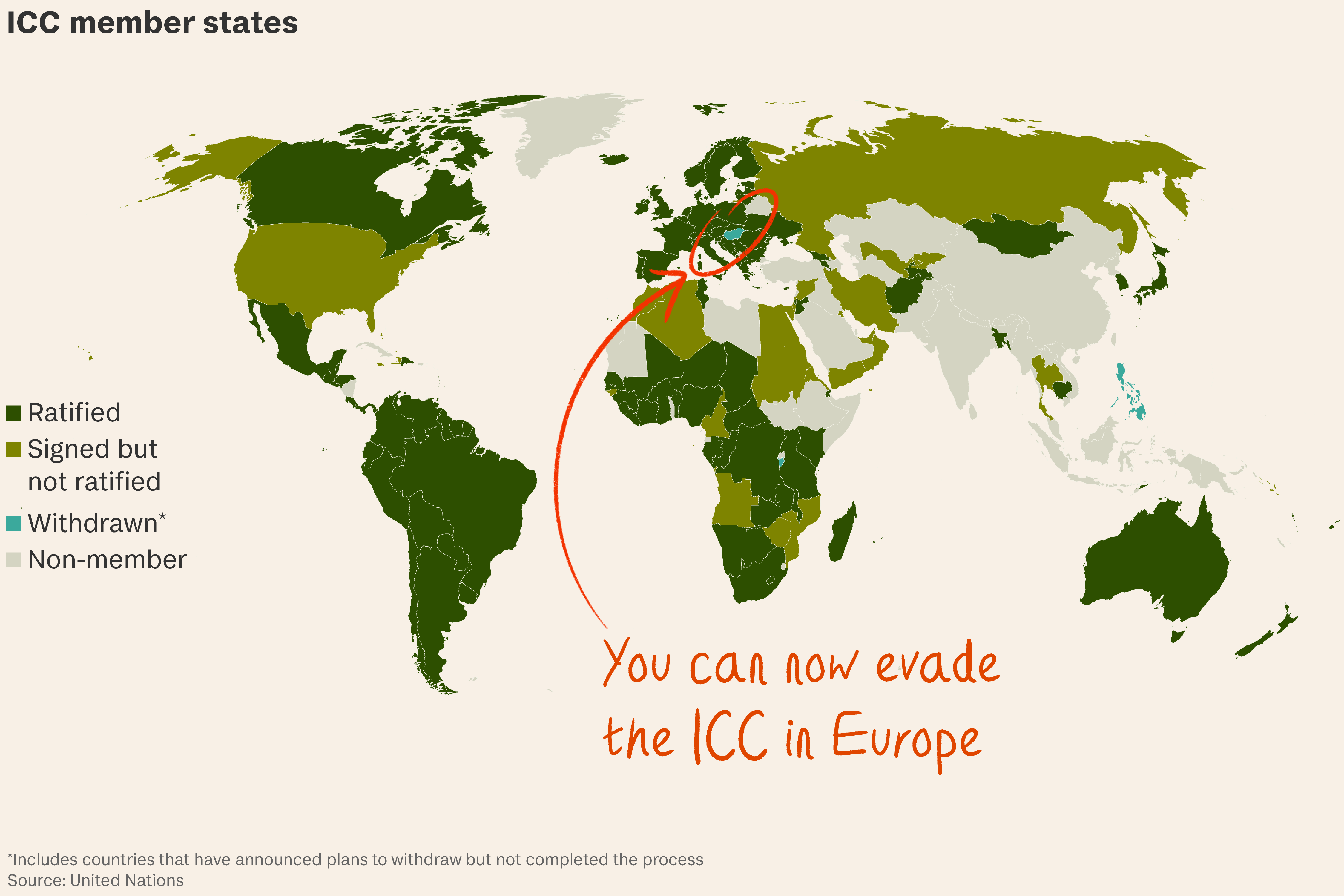
- prioritise bilateral ties with ideological allies like Hungary, Slovakia and Georgia Meloni’s Italy over Nato; and
- focus American military power on defending Taiwan and containing China, even if that means leaving Europe to defend itself.
In fairness. Surviving an assassination attempt by less than an inch could alter Trump’s worldview in ways as yet unfathomable. In his first interview after cheating death on Saturday he said repeatedly he was “not supposed to be here”. Yet if being there turns out to be his destiny, it would reshape the international order.
Ukraine. A plan developed by General Keith Kellogg and Fred Fleitz, two Trump security advisors, would aim to establish a ceasefire based on existing battle lines; to delay Ukraine’s Nato membership for an “extended period”; and to arm Ukraine “to the teeth” to ensure a lasting peace.
In practice it’s unrealistic to imagine any of the following:
- Ukraine giving up 20 per cent of its territory;
- Putin tolerating a Ukraine armed by the US;
- US Republicans voting for such an arrangement; or
- the EU supporting an approach based on exchanging land for peace.
Europe. Whatever happens in Ukraine, Trump’s senior defence strategist, Elbridge Colby, has said if re-elected Trump would withdraw US troops from Europe and demand substantially increased defence spending by EU Nato members as the price of continued mutual defence guarantees with the US.
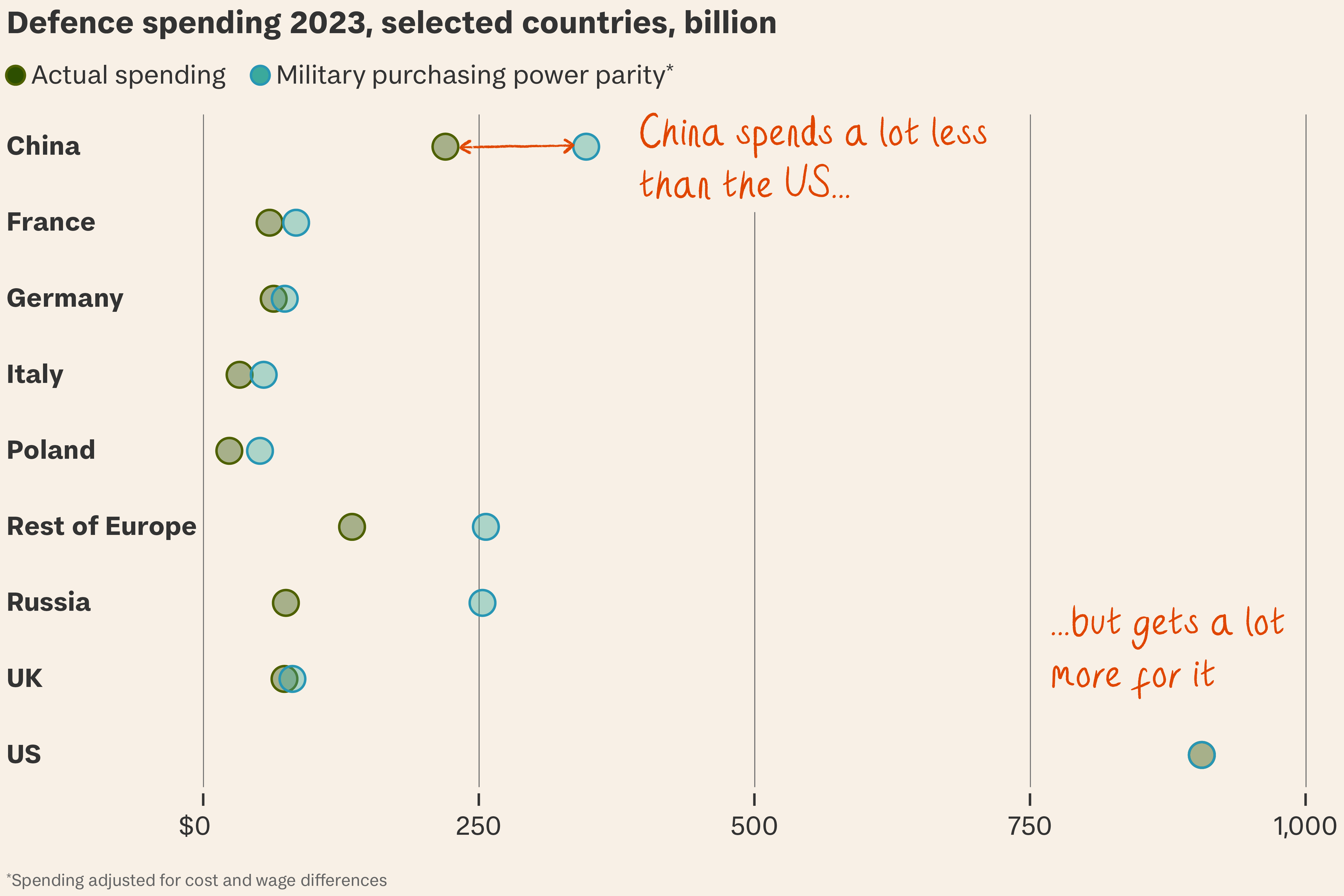
Europe’s five biggest defence spenders currently spend half as much together as the US. “We will not break our spear in Europe,” Colby says, claiming Germany alone could defeat Russia “if it puts more muscle into it”.
China. The US can no longer fight two major wars at the same time, Colby and other Trump strategists say. They have a point. Research promoted by the conservative American Enterprise Institute makes the case that China’s real-terms defence spending is three times publicly disclosed levels and comparable to America’s.
Contrasts in military “purchasing power parity” mean, for example, that it costs China one-sixteenth as much as the US to keep a soldier in uniform, enabling it to maintain an army twice the size at a fraction of the cost.
“The fact is that the US will have to prioritise China and Asia over Europe in the coming years, regardless of who is in charge,” Colby wrote recently in the FT. “The primacy of Asia and the rise of a superpower China compel it.”
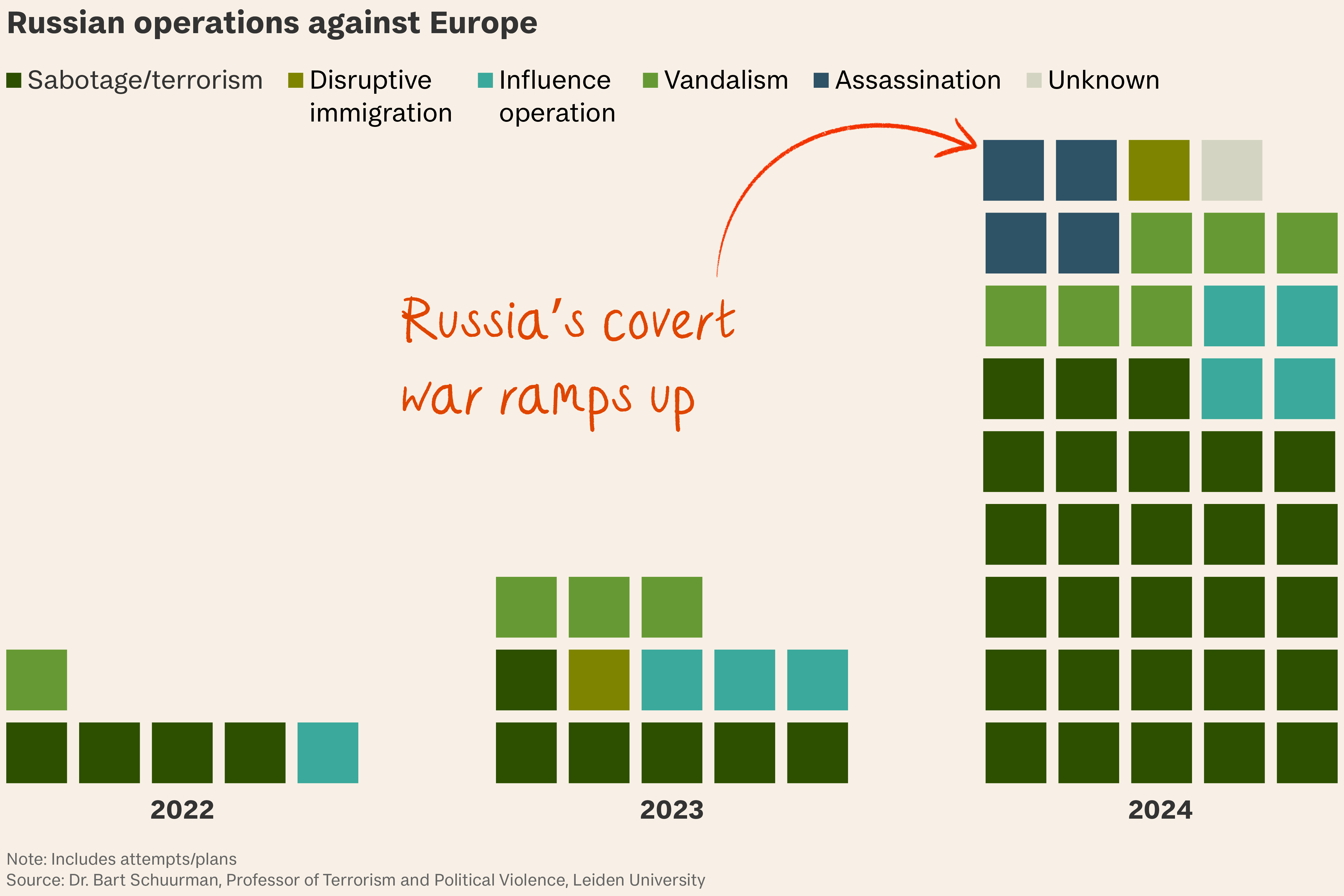
And the real winner is? Russia. As the US turns away from Europe towards China, Putin’s advisors in the Kremlin will be “rubbing their hands with glee,” Alex Scrivener of the Democratic Security Institute says.
What’s more… a report from the US Strategic Posture Commission says the Pentagon needs to be ready to fight Russia and China at the same time because, as a commission official told Reuters, “there may be ultimate coordination between them”.