Capital Economy, Business and Finance
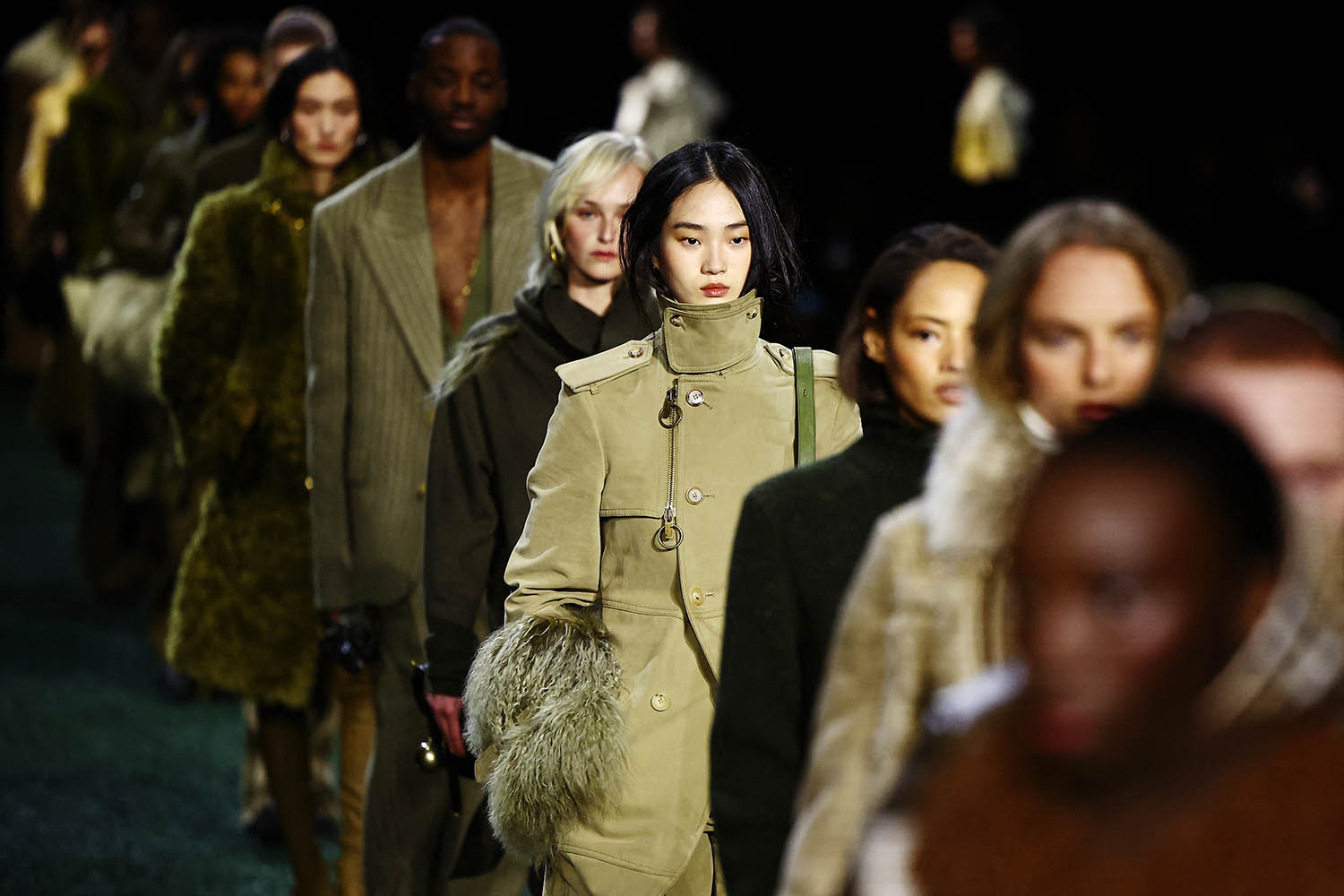
Burberry’s decision to hitch its fortunes to China’s has cost it dearly. In a bleak trading update, the company revealed store sales were down 21 per cent in mainland China – a key market for luxury goods since the pandemic – while global retail sales fell by the same amount. Jonathan Akeroyd, Burberry’s chief executive, is out after two years in the job. The company has suspended its dividend and is consulting with employees with a view to making 200 redundancies. Analysts say Akeroyd’s decision to try to restore Burberry’s upmarket appeal was a strategic error, but churn in the boardroom hasn’t helped either. The bigger picture is a persistent slowdown in Chinese consumer spending, which has dragged the country’s growth lower than expected for the last quarter. Xi Jinping is convening the Communist Party’s Third Plenum this week to discuss economic policy, but appears reluctant to do more to stimulate household spending. Burberry isn’t the only brand overexposed to China: Swatch, the world’s largest watchmaker, also posted an update yesterday that showed plunging profits due to weak Chinese demand.