Sensemaker Daily
Russia’s real and hybrid warfare brings chaos for its neighbours – and a measure of security for Moscow
Robert Fico, Slovakia’s prime minister, said he would be “very happy” to visit Moscow for Russia’s next Victory Day parade.
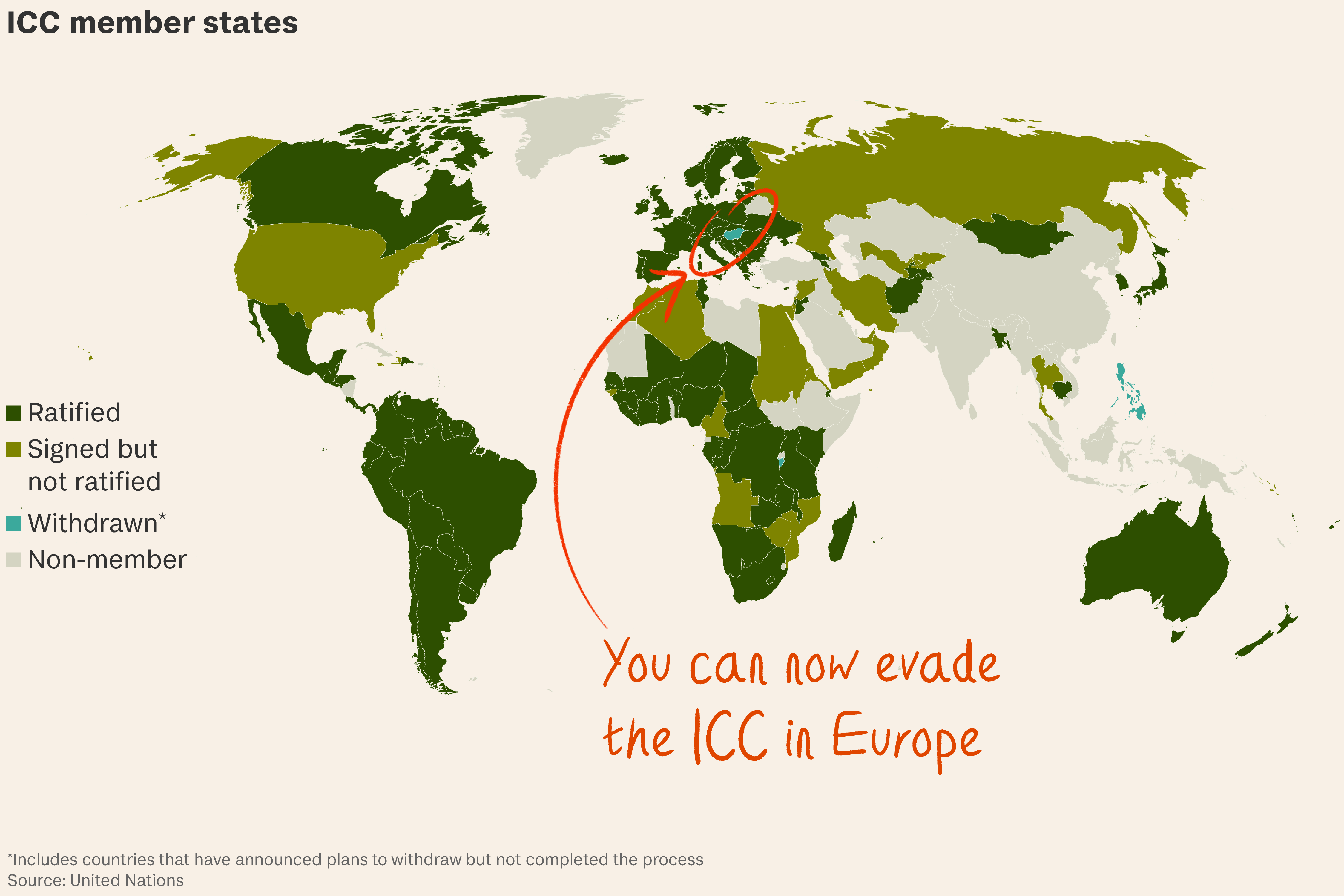
So what? In a rational world this would not be happening. Fico is the democratically elected leader of an EU and Nato member state, legitimising Putin’s efforts to redraw the map of Europe by force. Nor is he alone: his Hungarian counterpart Viktor Orbán went to Tbilisi last Sunday to congratulate the pro-Russian ruling party Georgian Dream on its victory in an election widely condemned as rigged.
Close up. Realpolitik is eating away at pro-Ukrainian solidarity in Europe.
- Putin’s propaganda is working on some of those closest to the source (see also ‘Central Europe’ below).
- Winter is coming, and with it an annual uptick in demand for gas.
- Western military aid to Ukraine is shrinking despite promises of support for “as long as it takes”.
- The continent is bracing for the possibility of Trump 2.0.
Zoom out. Putin has used fossil fuels, weapons and mass misinformation to rebuild a Russian sphere of influence 35 years after the end of the Cold War. Condemning 14 states, including former Soviet republics, for joining Nato, he has used a combination of hybrid and real warfare to create chaos in the heart of Europe but also a de facto security belt for post-Soviet Russia.
In Belarus, Russia has created a client state with no agency which allowed Russian troops to use its territory to attack Kyiv and Chernihiv in 2022 and still lets Russian jets use its airfields to target Ukrainian infrastructure far from the frontline.
In Central Europe, Hungarian and Slovakian dependence on Russian oil and gas, and their leaders’ open pro-Putin sympathies outweigh in geopolitical significance any democratic values acquired with EU membership:
- Orbán’s foreign minister Péter Szijjártó joined his Russian and Syrian counterparts to speak (in Russian) this week at the Minsk Conference on Eurasian Security in Belarus, promoted by Russia as an alternative to the Munich Security Conference.
- Herbert Kickl, leader of Austria’s far-right Freedom Party and winner of his country’s recent parliamentary elections, is an admirer of Orbán’s “illiberal democracy” and opposes EU sanctions on Moscow.
In the Caucasus, if opposition protests in Tbilisi fail, Georgian Dream will form a new parliamentary majority. Russia supports Armenia in the Nagorno-Karabakh conflict against Azerbaijan – but keeps business ties with Azerbaijan for gas re-exports to Slovakia and Hungary.
In Central Asia, Kazakhstan, Kyrgyzstan and Tajikistan form the Collective Security Treaty Organization (CSTO) along with Russia, Belarus and Armenia. Its charter, like Nato’s, considers an aggression against one signatory an aggression against all.
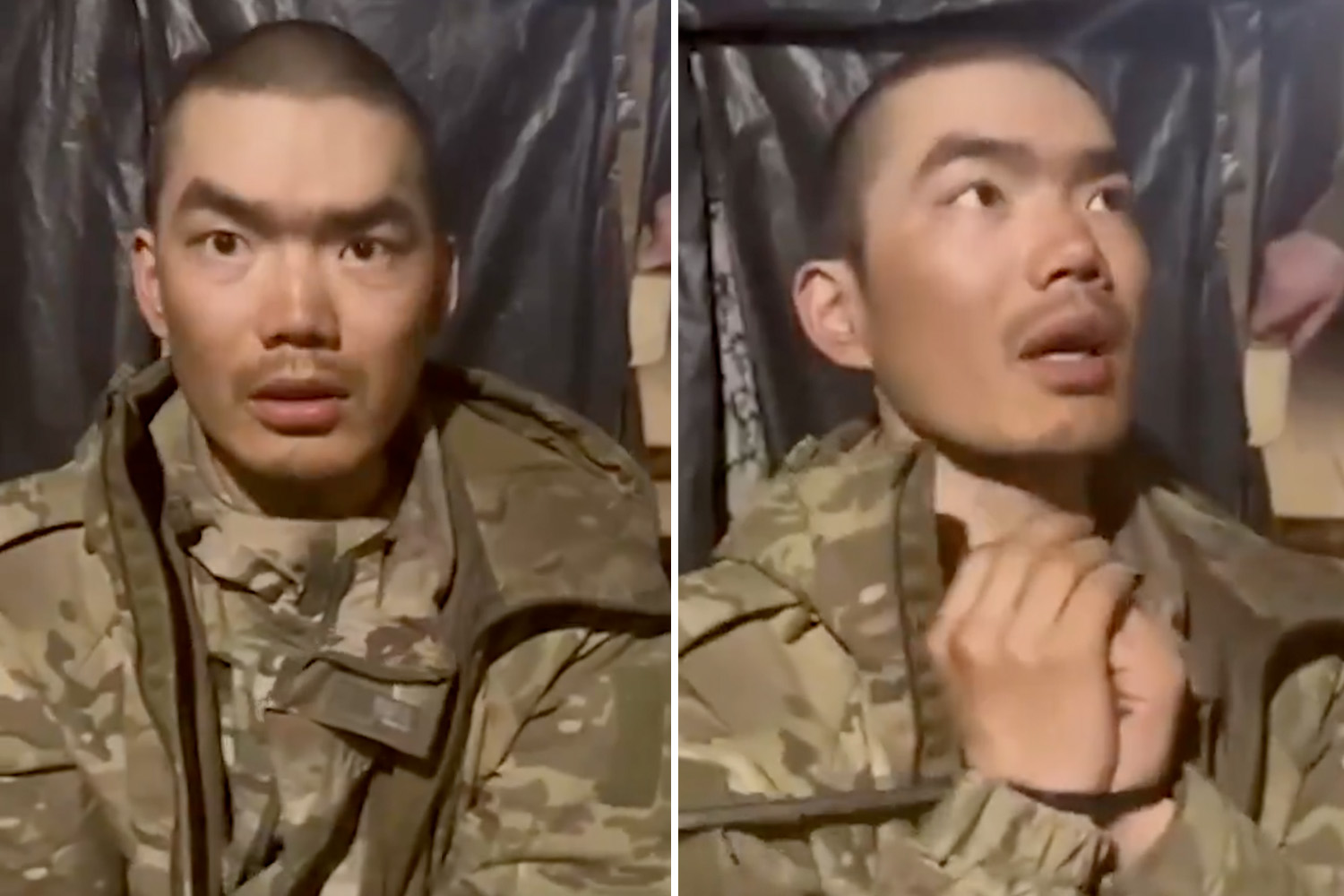
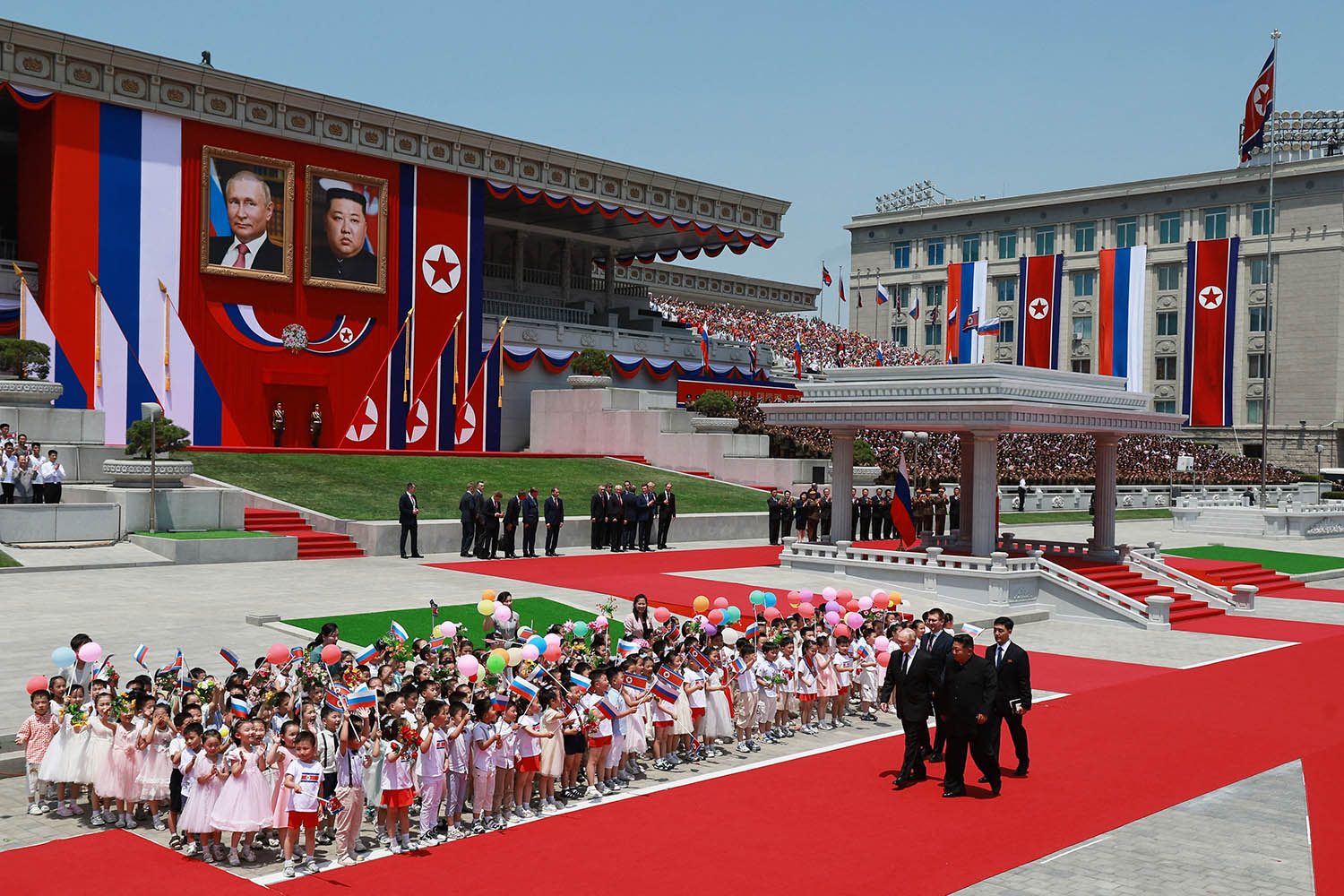
In the Far East, Putin reaffirmed a “comprehensive strategic partnership” this week between Russia and North Korea, which is sending missiles and soldiers to Russia for its war on Ukraine. The Pentagon said yesterday 8,000 North Korean troops were already in western Russia and expected to see action attempting to recapture parts of the Kursk region from Ukrainian forces. In return Pyongyang has stepped up its consumption of Russian oil despite international restrictions.
He stoops to conquer. “If someone thinks Russia is on its knees, the truth is probably that the Russians are just tying their shoelaces,” Fico told Russian TV this week. He said Europe was
- “tired of Ukraine”;
- reluctant to admit it was a mistake not to urge Kyiv to sign an agreement to end the conflict in 2022; and
- giving Ukraine weapons and money with the message: “Fight, just don’t bore us with it.”
What’s more... If Trump wins next week, the US will concentrate mainly on the Asia Pacific region, leaving Europe to face Russia and its allies alone. Some EU leaders may think Putin would never cross a Nato border. Fico, for one, isn’t taking any chances.