Our Planet Climate and Geopolitics
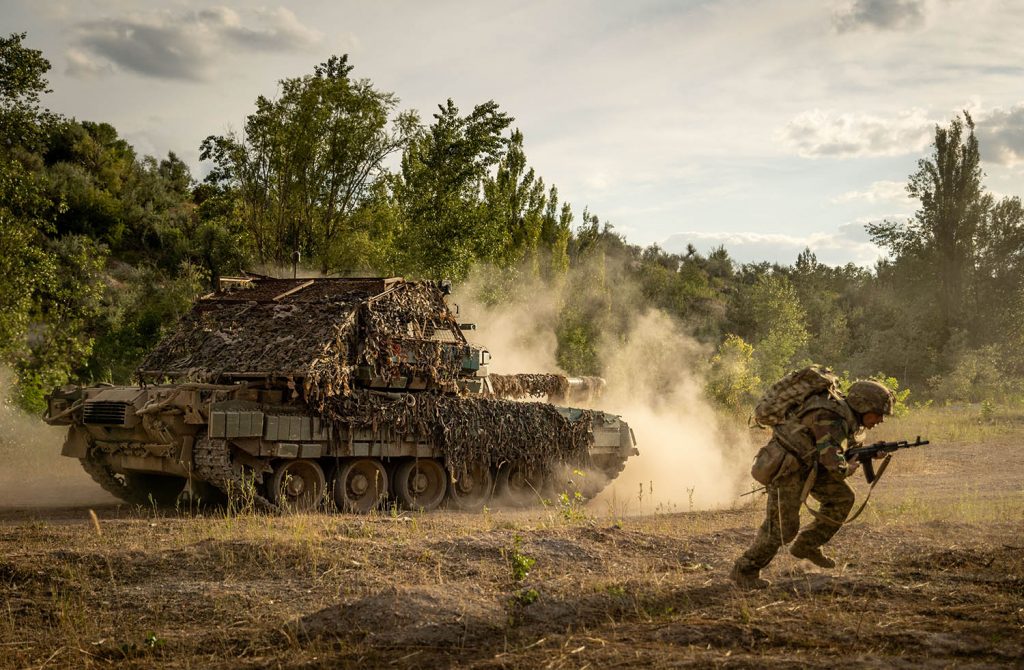
After meeting Donald Trump in Milwaukee, Boris Johnson used his column in the Daily Mail to suggest a plan to end Russia’s full-scale invasion of Ukraine “if and when” Trump returns to the White House. It involves allowing Ukraine to use long-range ATACMS missiles to target Russian airfields; making Putin withdraw to “at least” the pre-invasion boundaries of 2022; recognising Ukraine as an independent country and establishing special protections for Russian language speakers in Ukraine. It’s worth considering for the benefits: Ukraine pushes back Russian troops using US-made missiles and Putin saves face via the special protections, which could let him argue he has “de-Nazified” Ukraine. Jens Stoltenberg, the outgoing Nato chief, warned last week that this war could last a decade – but “the stronger the support for Ukraine… the sooner this war can end”. That’s easier said than done.
Johnson also suggests that Ukrainian armed forces, which he calls “the most effective anti-Russian force in the world”, could replace 70,000 US troops in Europe – something that might appeal to a Nato-sceptic Trump administration.
But… it is far from clear if Ukrainians would be willing to exchange 20 per cent of their territory (and the people living there) for one more attempt to fend off Russia. And it seems unlikely that Putin would allow his airfields to be destroyed by US missiles.
Last week, Zelensky and Trump spoke for the first time since 2020 in what Trump called a “very good phone call”. Zelensky said that they agreed “to discuss at a personal meeting what steps can make peace fair and truly lasting”.
Zelensky told the BBC that if Trump is re-elected it will be “hard work, but we are hard workers”. But Ukraine has reason to worry.
- Trump’s running mate JD Vance is known for his opposition to US support for Ukraine. Just after the full-scale invasion, he said: “I don’t really care what happens to Ukraine one way or another.”
- Germany plans to halve military aid for Ukraine next year, from €8 billion (£6.7 billion) to about €4 billion.
- UK’s Keir Starmer has promised to “double down” on support for Ukraine, promising to spend £3 billion on aid – but this will just compensate for Germany.
- Russia’s so-called “shadow fleet” of 600 tankers carrying about 1.7 million barrels of oil per day is still helping Russia avoid sanctions.
What’s more… “It doesn’t mean that all territories are won back by force. By putting pressure on Russia, I think it is possible to agree to a diplomatic settlement,” Zelensky told the BBC. The question is how hard can one put the pressure on the aggressor state without enough hard power.