Sensemaker Daily

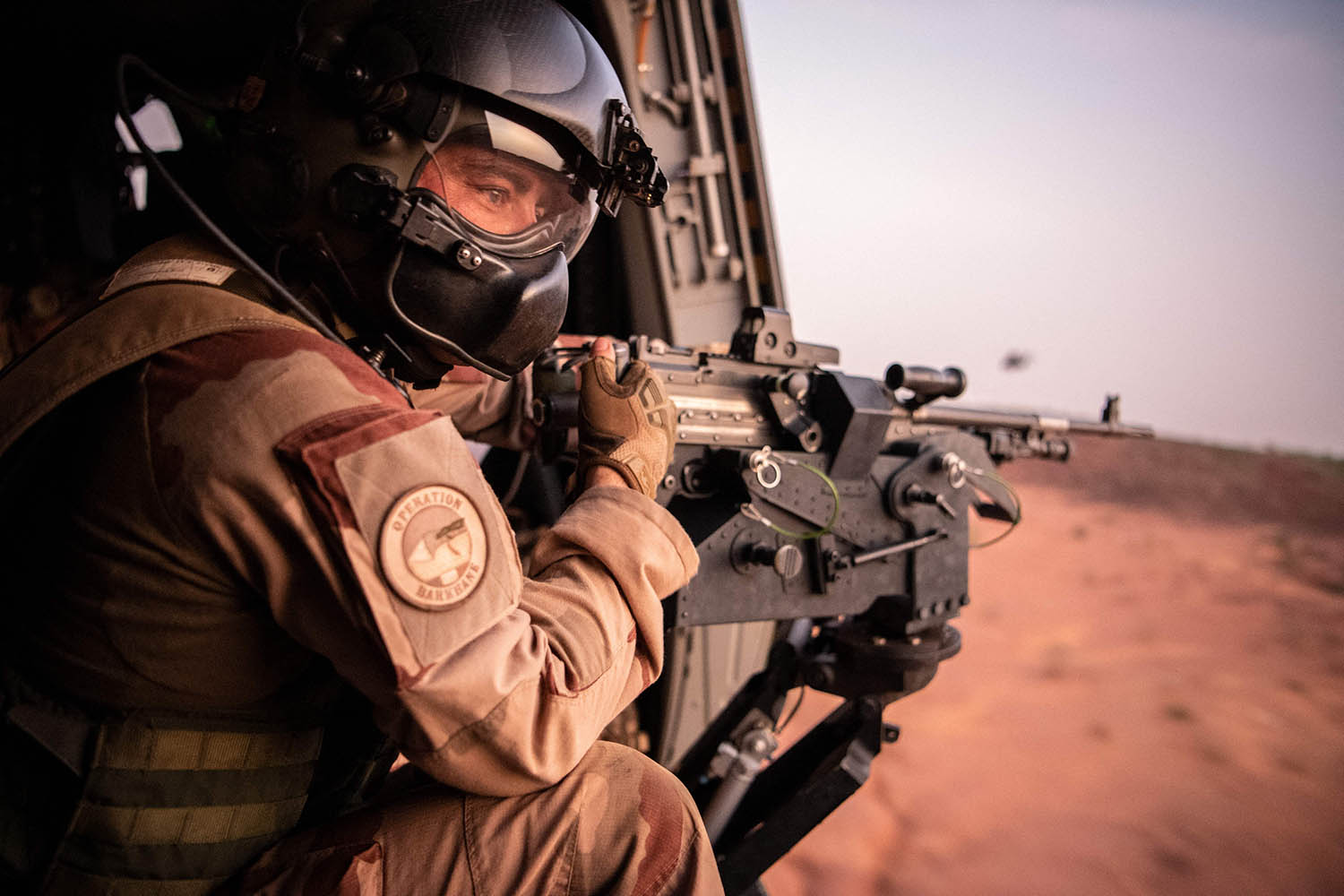
A seismic power shift is underway in the Sahara, as France retreats out of a region it has dominated for over a century and Niger’s coup raises questions about Europe’s energy supplies.
- Ukraine said it had killed the admiral of Russia’s Black Sea fleet.
- British police opened an investigation into Russell Brand after allegations of sexual offences.
- A herd of sheep in Greece broke into a greenhouse and ate 100kg of medicinal cannabis.
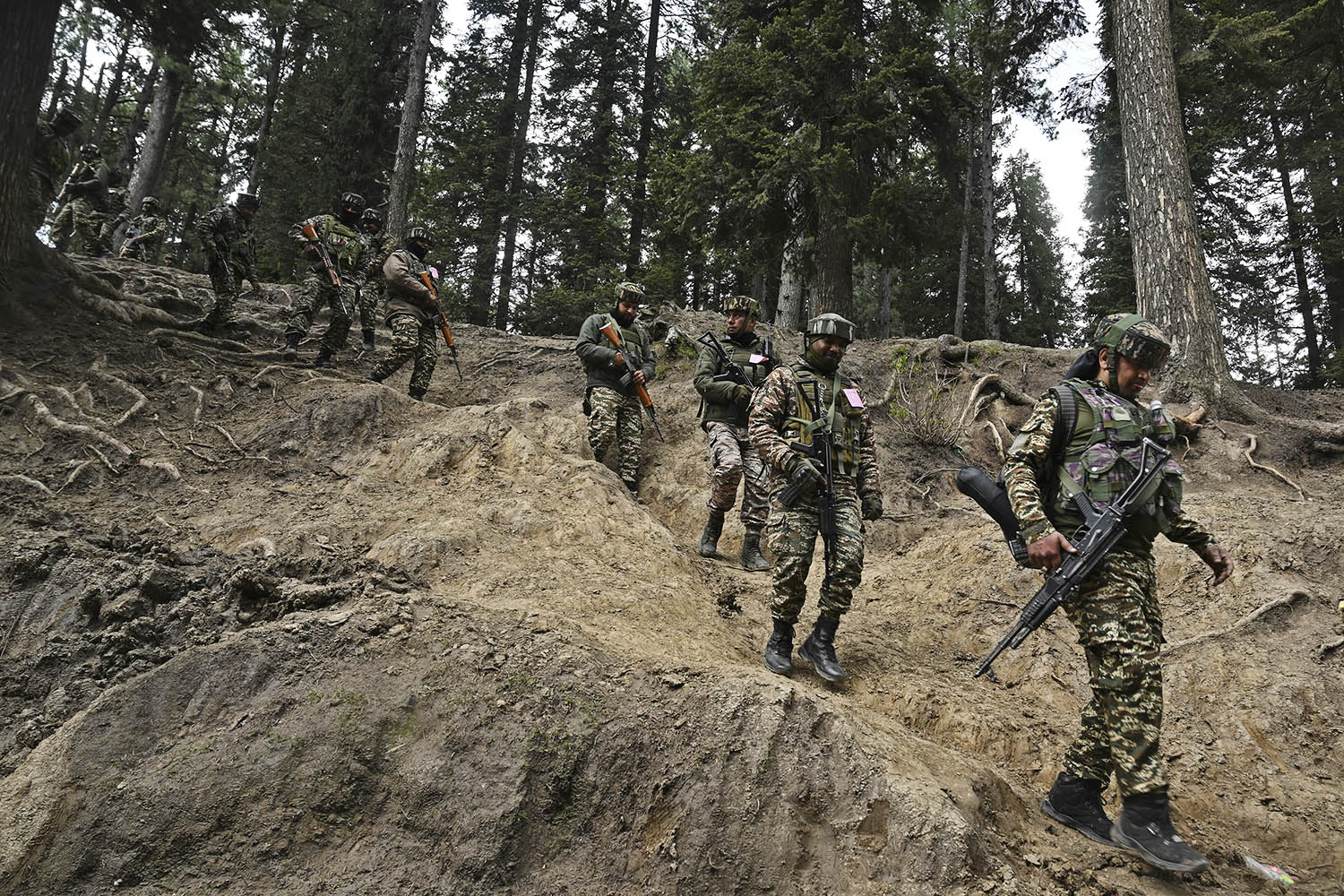
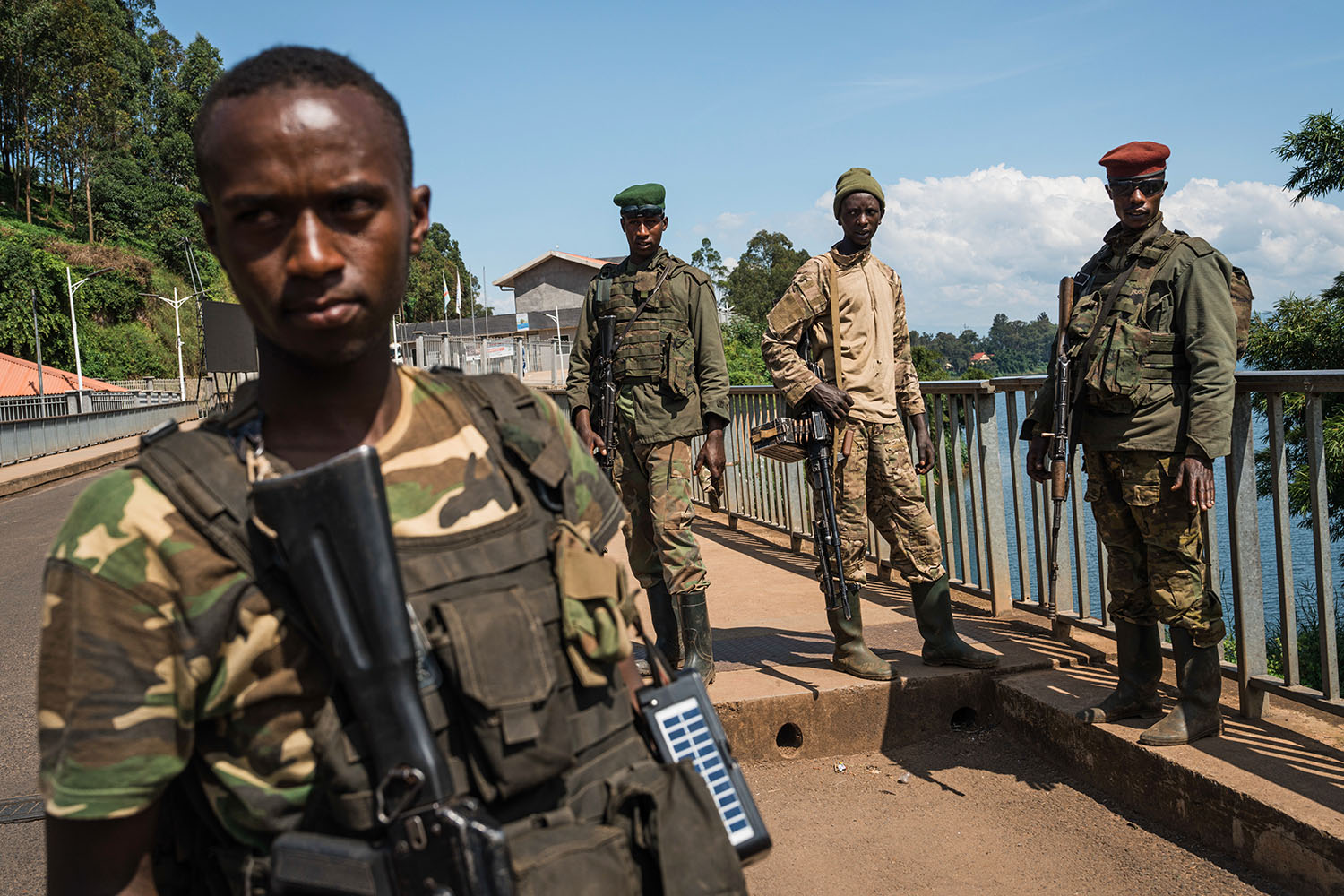
On September 24 Emmanuel Macron said France would withdraw its ambassador from Niger and remove all its troops (thought to be around 1,500) by the end of the year, ending all military cooperation.
So what? A seismic power shift is underway in the Sahara. In the face of coups in Mali, Burkina Faso and Niger, Paris is
- abandoning its decade-old counter-jihadist mission in the face of massive anti-French sentiment;
- leaving regional Sahelian militaries who have proven woefully inept to fend for themselves; and
- slowly retreating out of a region it has dominated for over a century.
Have your yellow cake and eat it. The retreat raises an important question – where will France (and by extension the EU) source the uranium used in its nuclear plants?
When Niger’s President Bazoum, a Western ally, was ousted in a coup in July, Sahelian social media was awash with fake news and exaggerations about how France mines Niger’s uranium (many accounts were probably linked to Russian or Wagner bot farms).
- Niger regularly ranks as one of the poorest countries on earth. Only 16 per cent of its 20 million people have access to electricity.
- But it is rich in the high-grade, radioactive material used to fuel reactors and make nuclear bombs.
- Go to Niamey, the capital, and you will find once glamorous but now rather forlorn and dusty hotels on the banks of the grand Niger River built during a uranium rush decades ago.
- Today, it’s the world’s seventh-largest uranium producer.
Astute observers will remember the country was at the centre of a scandal in the early 2000s about whether Iraq’s Saddam Hussein tried to buy yellowcake uranium powder to develop weapons of mass destruction (a 2006 US intelligence report found it was “unlikely”).
Francafrique. France’s energy giant Orano (formerly Areva; majority owned by the French state) has dominated Niger’s mines deep in the Sahara Desert for five decades.
- There are two critical mines around Arlit, a town in Niger’s far north near the Algerian border.
- The only safe way to visit is by plane and the company closely guards Arlit’s small airstrip.
- About a quarter of uranium imported into the EU came from these mines in 2021, according to the Euratom Supply Agency.
- About two-thirds of France’s energy comes from its 56 ageing nuclear power plants (the UK has 9) and it exports vast amounts to neighbouring countries.
This makes uranium supplies as important as oil for French strategic planners.
Paris has not shied away from intervening to protect its supplies in Niger – in 2013, the French defence minister reportedly ordered special forces to protect the two sites around Arlit against potential jihadist attacks.
Do a French exit. With the French military due to leave Niger by the end of the year, it is unclear whether the Orano will stay around for long. It’s hard to see how its position will remain tenable amid the rampant anti-French sentiment on the street and in government.
But this isn’t the catastrophe for France it once might have been. It has diversified; France imported about 20 per cent of its uranium from Niger in 2022, compared to 37 per cent from Kazakhstan, 13 per cent from Uzbekistan and 16 per cent from Namibia.
Good relations with the Central Asian countries will probably become an even more important part of French and EU foreign policy going forward. The pivot is well underway. Last year, Macron held a rare summit at the Elysée Palace for the Uzbek and the Kazakh presidents.
Resource curse cont. As for Niger, China is its second largest foreign investor after France. Russia, which is cultivating ties with the new juntas in Mali, Burkina Faso and Niger and has interests in uranium mining, could also jump in on the action.
Either way, it’s unlikely that ordinary Nigeriens will see much change. This is another chapter in Africa’s resource-curse saga.