What just happened
- Donald Trump pleaded not guilty to 34 charges of falsifying business records (more below).
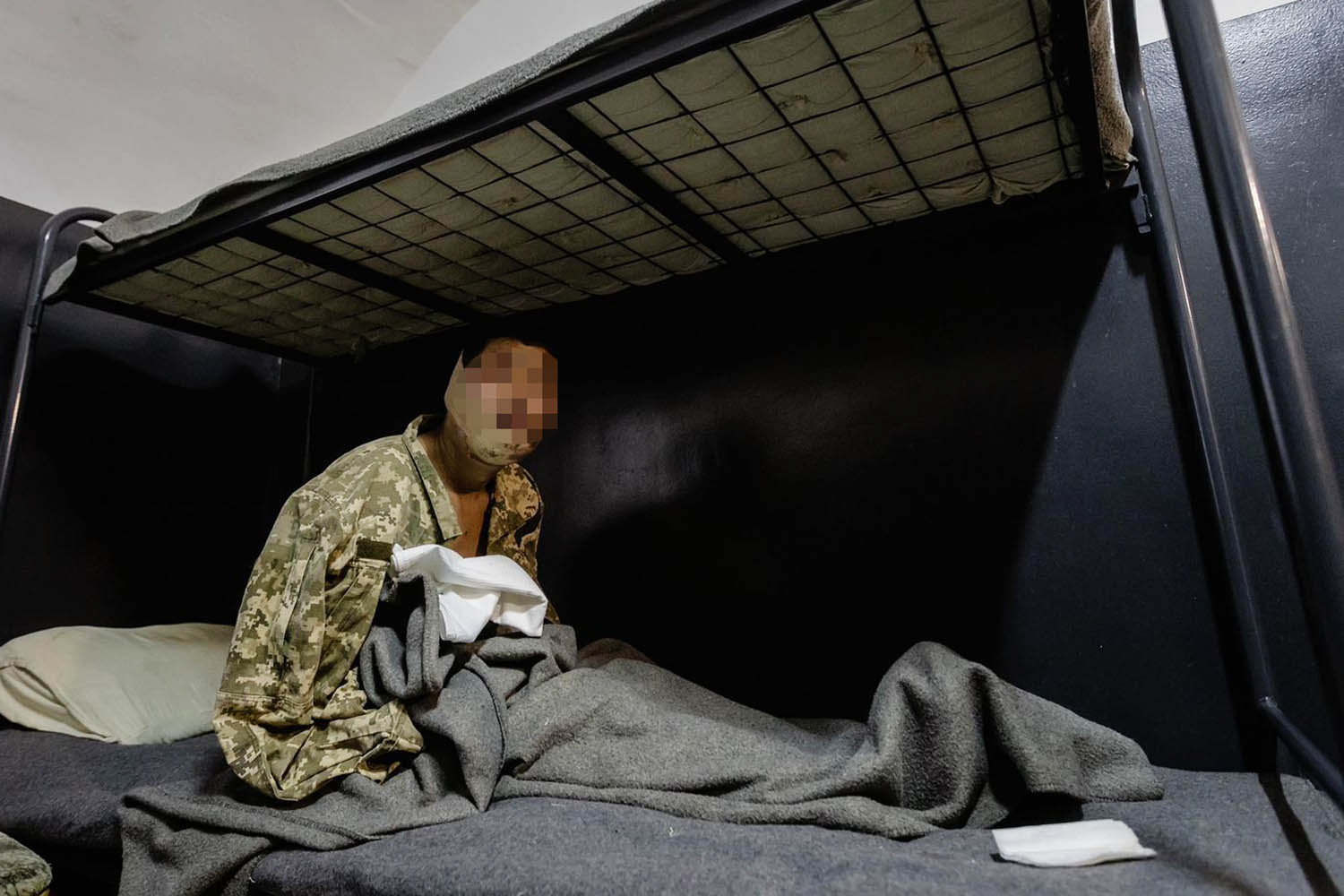
- A Russian court charged Daria Trepova with terrorism after a St Petersburg cafe explosion killed a pro-Kremlin war blogger.
- Nicola Sturgeon’s husband, Peter Murrell, was arrested in connection with an investigation into Scottish National Party finances.
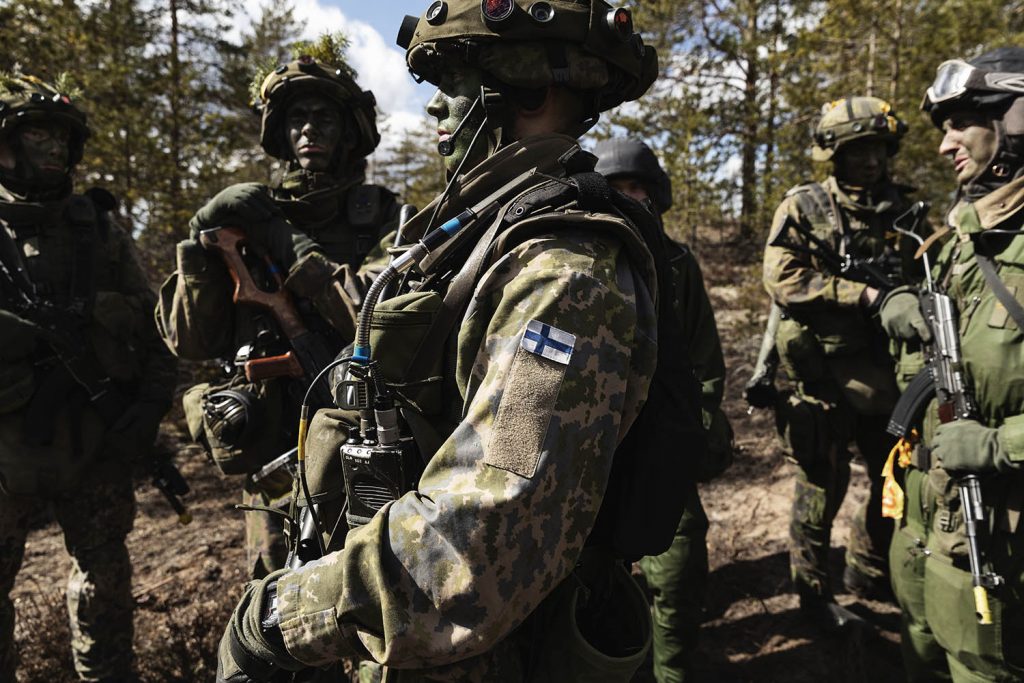
Finland’s blue and white flag was hoisted for the first time outside Nato’s headquarters in Brussels on Tuesday as it became the 31st member of the world’s largest military alliance.
- It marks the alliance’s ninth round of expansion since it was founded 74 years ago.
- At 273 days, Finland’s accession process was the fastest in modern Nato history.
So what? Putin invaded Ukraine with the intention of weakening the Nato alliance. He achieved the opposite. Finland’s membership doubles the length of Nato’s border with Russia and hands the alliance more artillery firepower than the militaries of Poland, Germany, Norway and Sweden combined.
“I’m tempted to say this is maybe the one thing that we can thank Mr Putin for,” said Antony Blinken, the US secretary of state, before accepting the paperwork that made Finland’s membership official.
“Finland now has the strongest friends and allies in the world,” said Nato chief Jens Stoltenberg, adding that Putin “wanted to slam Nato’s door shut. Today we show the world that he failed.”
By the numbers
280,000 – the wartime strength of Finland’s defence forces, thanks to a huge conscription programme.
1,500 – Finland’s artillery weapons, including 700 Howitzer guns and 100 rocket launcher systems. Finland’s artillery forces are the largest and best equipped in western Europe, according to the Wilson Center, a research organisation.
200 – the number of Finland’s Leopard 2 tanks, with an incoming 64 F-35 fighter jets.
80 – per cent of the world’s icebreakers were designed by Finland, with Helsinki expected to play a key role in countering Russian influence in the Arctic.
80 – per cent of Finns supported joining Nato within months of Russia invading Ukraine, up from around a third before the war.
Finland is also home to Nokia, one of the world’s three major 5G infrastructure providers (the others are in Sweden and China).
Russia’s response. Was muted. Dmitry Peskov, a Kremlin spokesman, called Finland’s membership an “assault on our security” and said Moscow would watch for any Nato military deployments in Finland.
Not forgetting. Finland and Sweden wanted to join Nato “hand in hand”, submitting their applications on the same day last May.
But Sweden’s bid has been held up by Turkey. President Recep Tayyip Erdogan is facing close elections next month and is refusing to back Sweden unless it does more to tackle people Erdogan considers terrorists – particularly those linked to the Kurdistan Workers’ Party, the PKK.
Hungary is also stalling. Zoltan Kovacs, a government spokesman, last week published a list of grievances against Sweden, including its “perceived moral superiority”. But Turkey is seen as the more threatening holdout.
“Nobody here is really holding their breath and expecting Turkey to ratify before the elections,” said Paul Levin, director of Stockholm University’s Institute for Turkish Studies.
What next? Levin said Sweden was due to implement a key piece of anti-terrorism legislation in the summer which might be “the final piece of the puzzle” to allow Turkey to ratify Sweden’s bid before the next Nato summit in Vilnius in July.
But talks between the countries broke down in January after protesters burned a Quran outside Turkey’s embassy in Stockholm. Yesterday a Swedish court overturned a police attempt to ban two similar protests, potentially throwing another wrench into the works.
“It’s simply not a question that I would be willing to bet anything on,” said Levin.
Promises to keep. For now, Sweden at least has an ally with a promise to keep inside the alliance (with its own sauna at Nato HQ). Finland’s first act as a full member was to hand over its formal approval for Sweden’s bid.
The next member after Sweden – Ukraine?
Donald defiant
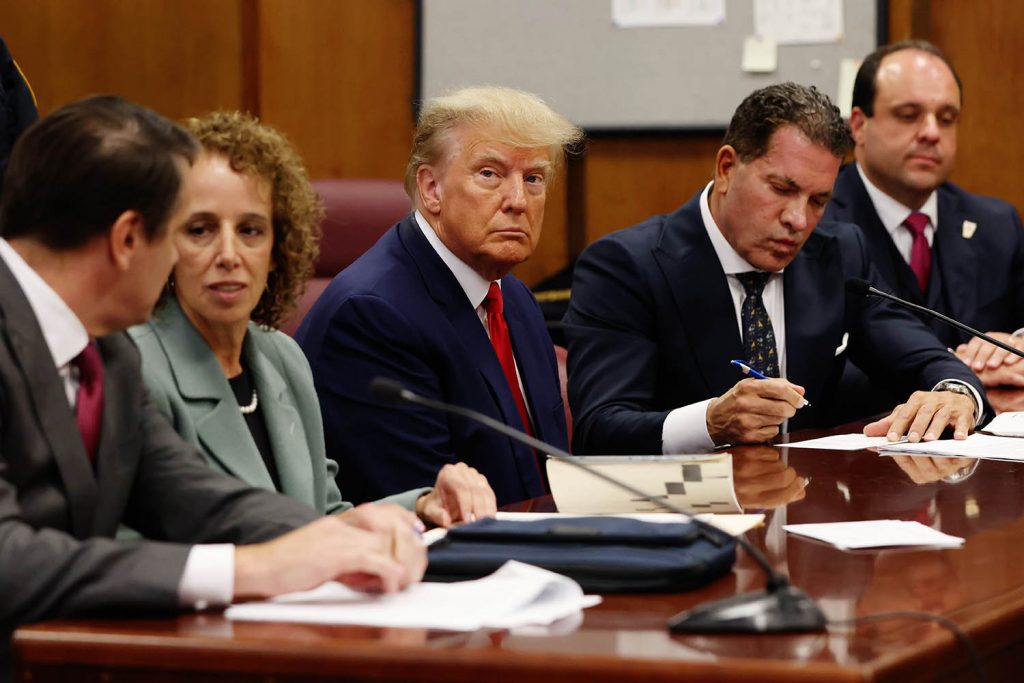
Last night former president Donald Trump touched down in Palm Beach, Florida, to deliver a speech to his followers. His spiel was full of familiar falsehoods: the election was rigged, the system was trying to silence him and the only crime he was guilty of was “defend our nation from those who seek to destroy it.” Hours before, he appeared in Manhattan Criminal Court, where he was charged with 34 counts of falsifying business records, including covering up $130,000 paid by his attorney Michael Cohen to the porn actor Stormy Daniels. He pleaded not guilty to all counts. Although falsifying records is usually a more minor offence, Trump is accused of committing felonies which carry far stronger sentences. His allies and followers have dismissed the case as politically motivated. Even the Republican Mitt Romney, a long-time Trump critic, said he thought classifying the charges as felonies “fit a political agenda”. Will the case damage the 45th president’s chances of returning as the 47th? Trump is still the favourite to win his party’s nomination, but how he’ll fare in the presidential election next year is less clear. If convicted, Trump could face a prison sentence, although as a first offender, it’s unlikely. Experts believe that the other investigations into Trump – concerning the January 6th insurrection, his removal of classified documents from the White House and alleged attempts to overturn the election result in Georgia – will pose more of a threat.
Mind the gap
Men still earn far more than women, according to new data released in the UK. In 2017/18, companies were forced with 250 employees or more to publish their data to the government’s Gender Pay Gap service. Back then, there was a 9.4 per cent difference in median pay. Today the figure is the same. The banking and finance sector was the worst culprit with a 22 per cent difference, but the education sector also scored poorly, with men paid a fifth more on average. The differences in some household names are startling. On average, men at British Airways earn £1 for every 68p earned by women. Women’s median hourly pay at News UK, the publisher of the Sun, the Times and the Sunday Times, was 19.9 per cent lower than men. Overall, 80 per cent of UK employers pay men on average more than women.

TikTok fine
TikTok has been given a £12.7 million fine in the UK for failing to protect children’s privacy and harvesting their data. The Information Commissioner’s Office (ICO) said the app had shared children’s data without their parent’s consent and that an estimated 1.4 million under-13’s had potentially been exposed to harmful or inappropriate content. The Chinese video-sharing app was recently banned from UK government and parliamentary devices because of security concerns. While the fine is one of the largest ever issued by the UK commissioner, it won’t put a dent in the company’s profits. ByteDance, TikTok’s parent company, had a reported revenue of more than $80 billion in 2022. This makes the fine just 0.002 per cent of their income.
APPG transparency
A new report from the UK Parliamentary Committee for Standards in Public Life has recommended tightening controls of All-Party Parliamentary Groups (APPGs). As our Westminster Accounts project revealed, the informal interest groups have become a gateway for millions of pounds to flow into the UK parliament, influencing policy and giving foreign governments access. The committee’s recommendations include: a ban on foreign governments funding APPGs, requiring groups that receive over £1,500 to publish annual reports and banning MPs from being members of more than six groups. Chris Bryant, the Labour chair of the committee, said that although APPGs can be valuable, it had become “very easy” to lobby MPs and “peddle influence” through the groups. Although admitting some of his colleagues “will not be happy” with the proposed rules, Bryant warned they were necessary to prevent commercial and foreign interests from undermining “the way we do democracy”.
Clawing back
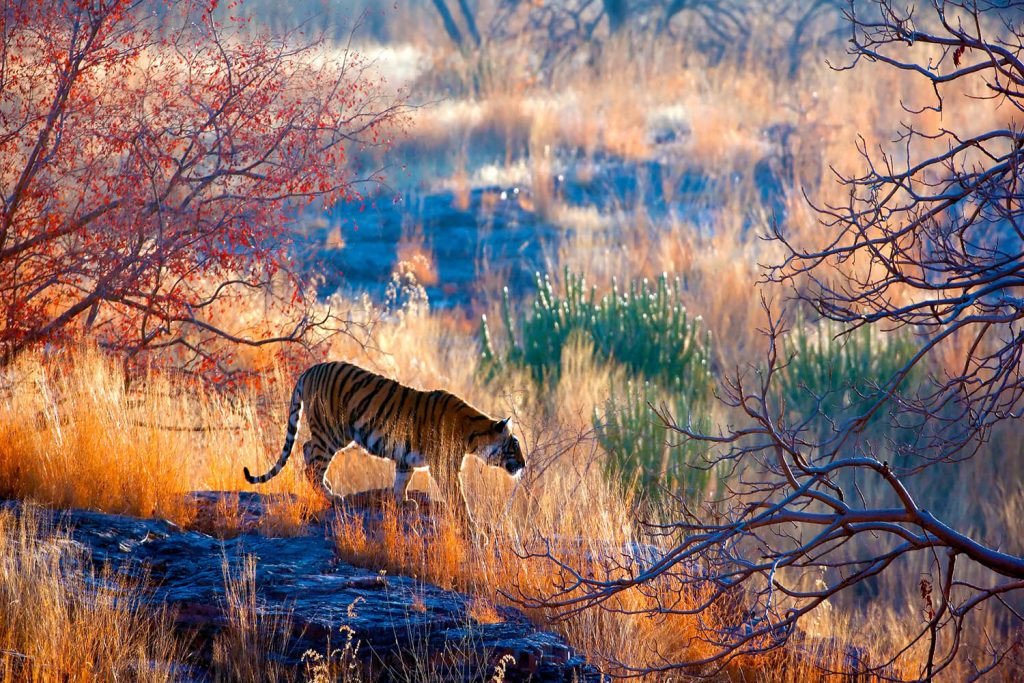
India will mark the 50-year anniversary of “Project Tiger” this week. The conservation initiative has successfully resuscitated India’s tiger population after they were driven to the edge of extinction first by British hunters and then by rapid urbanisation. Numbers rose from 1,800 in 1973 to over 3,000 today. The country now accounts for 70 per cent of the global total and the tiger population is growing at 6 per cent a year. Wildlife reserves now cover 2.4 per cent of India’s geographical area. Better surveillance has reduced the threat of poaching, but there are still challenges ahead. Inbreeding is a concern as reserves become more isolated and the battle over land use is only going to become even more fraught as the country’s population expands. India’s human population is expected to surpass China’s this month.
Thanks for reading. Please tell your friends to sign up, send us ideas and tell us what you think. Email sensemaker@tortoisemedia.com.
Jess Winch
@jswinch
Additional reporting by Will Brown, Phoebe Davis, Barney Macintyre and James Wilson.
Photographs Getty Images