What just happened
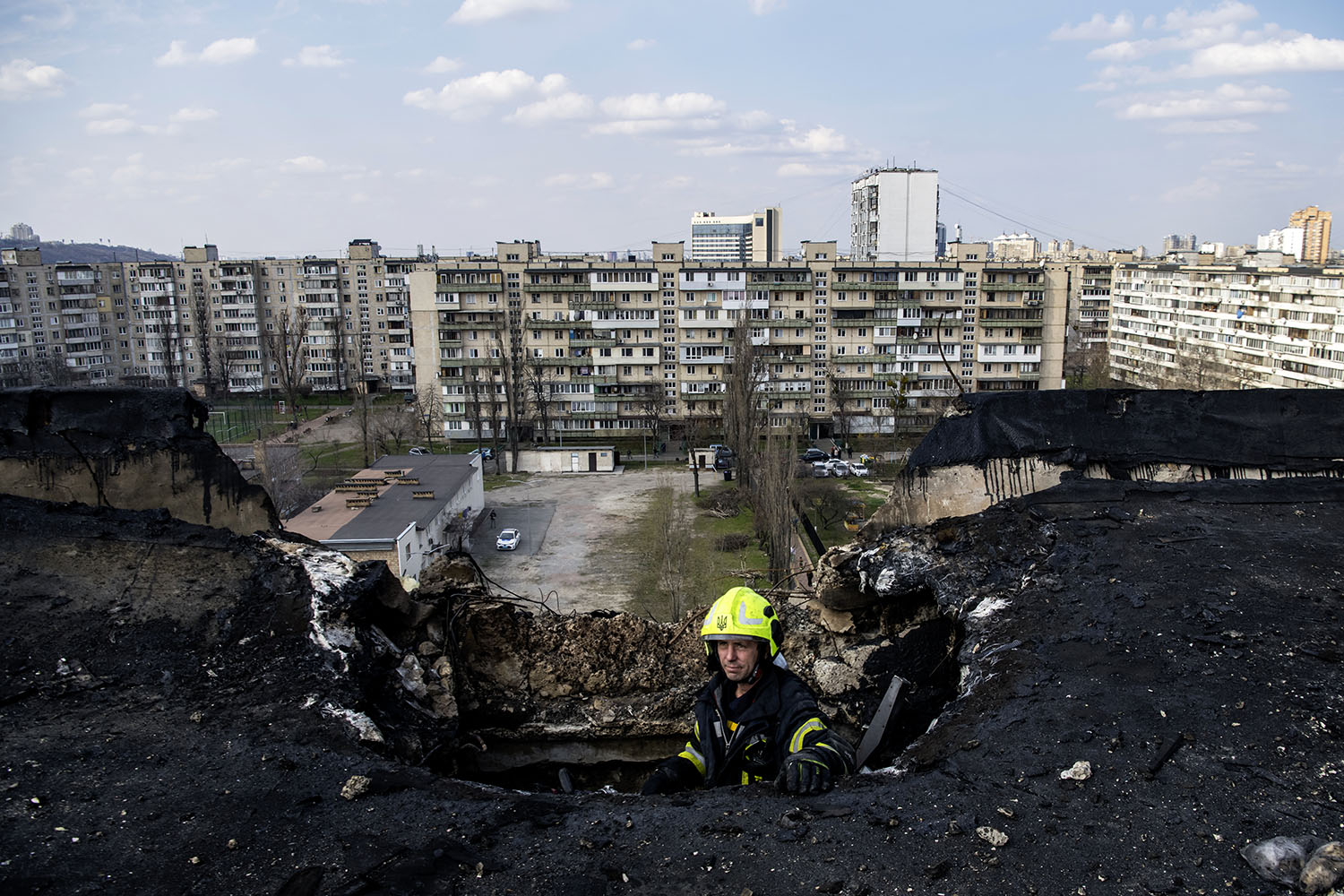
- Russia launched missile strikes at targets across Ukraine, including Kyiv, leaving parts of the capital without power and water.
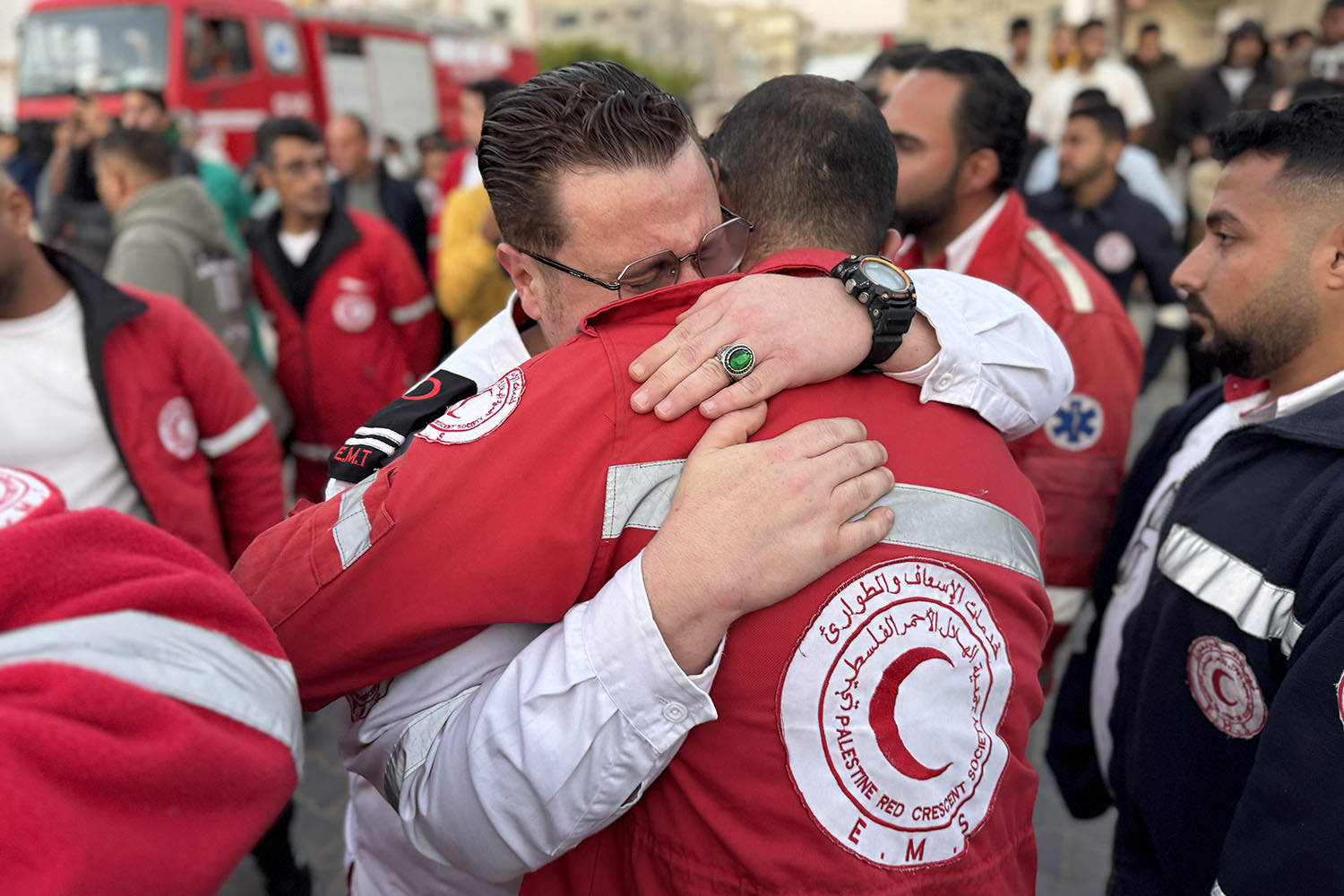
- South Korea declared a period of national mourning after 154 people died in a crush during Halloween celebrations in Seoul.
- Workers fled an iPhone assembly factory in central China to escape a Covid-19 lockdown.
Brazil’s experiment with naked populism and alternative facts has been ended by voters after a disastrous four-year run. That doesn’t mean it won’t be back.
Twelve years after leaving office as the most popular president in Brazilian history, the leftist Luiz Inácio Lula da Silva has been returned to power by a margin of less than two per cent.
Jair Bolsonaro’s version of Trumpian nationalism has been rejected in a count he said he would accept, but hasn’t yet.
It’s a remarkable shot at redemption for Lula, who was sentenced to 18 months in prison in 2018 on now-quashed corruption charges. But he won with only 50.9 per cent of the vote against Bolsonaro’s 49.1 per cent, the tightest race since Brazil returned to democracy in the 1980s.
A changed Brazil During Lula’s last period in office between 2003 and 2010, Brazil enjoyed a commodities boom that helped Lula’s government to:
- cut poverty rates in half and leave the UN’s Hunger Map;
- cut deforestation in the Amazon by almost 70 per cent;
- put Brazil on the global stage, laying the groundwork for hosting the 2014 World Cup and 2018 Rio Olympics; and
- expand the Brazilian economy to become the world’s sixth largest by 2011.
These achievements have since been undone. Brazil has suffered a decade of shrinking or stagnating growth. Poverty is rising in what is now the world’s 12th largest economy, with 15.5 per cent of the population suffering food insecurity. Consumption of beef hit an all-time low in 2021, with prices rising 38 per cent between May 2020 and 2021. The pandemic, exacerbated by Bolsonaro’s policies, killed almost 700,000 Brazilians and pushed 10 million more into poverty.

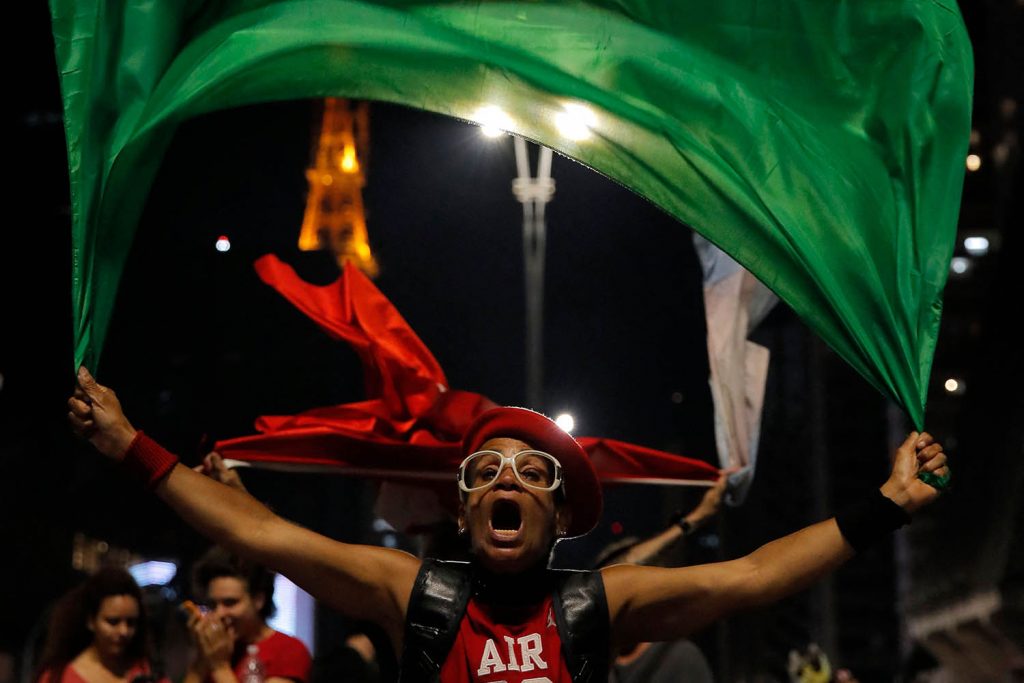
On the ground As Lula’s victory became certain, more than 100,000 Brazilians filled São Paulo’s iconic Paulista Avenue in celebration. “We can smile again”, said Dayane, a hairdresser, aged 31. “These four years have been torture, but now it’s over.”
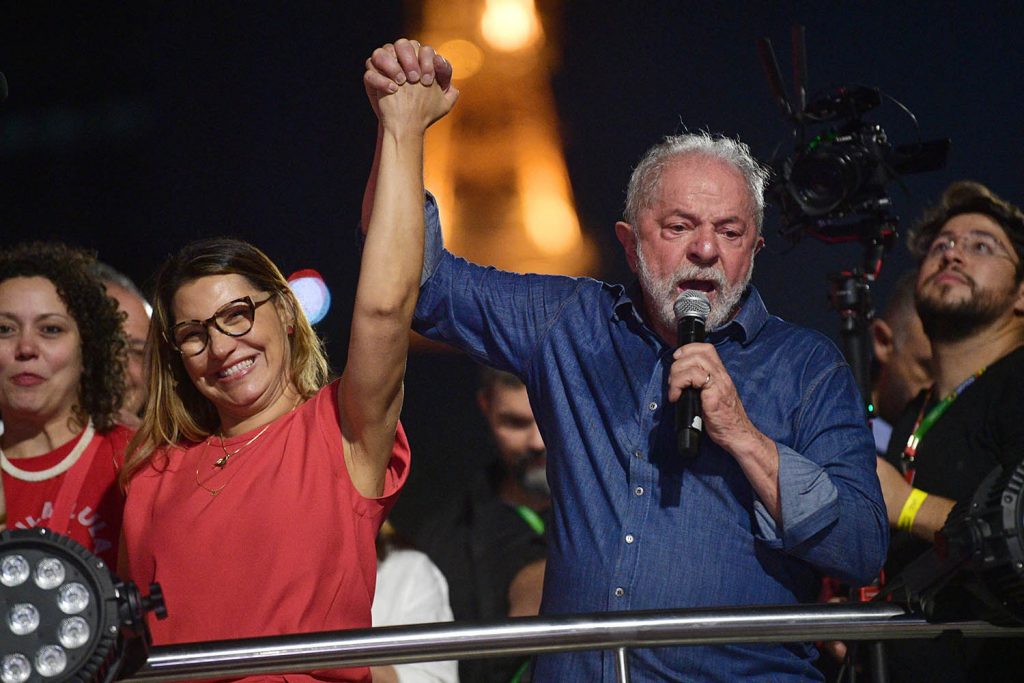
“We are telling the world: Brazil is back,” Lula said in his celebratory speech, adding that his first priority is to help Brazil’s poor.
But his narrow victory margin reflects the deep divides he will have to confront as president of Brazil’s 215 million people, while contending with the most conservative Brazilian Congress in living memory. Bolsonaro allies will govern Brazil’s three most populous states, while his Liberal Party holds a majority in both chambers of Congress.
“[Lula’s] main challenge will be to build a coalition,” says Beatriz Rey, a political scientist. “Bolsonaro’s party has the largest bench, so it will be harder for him to find alternatives to build alliances.”
The Amazon. Four more years of Bolsonaro could have pushed the Amazon “past the point of no return,” says Eliane Brum, founder of the Amazon-centred news platform Sumaúma. The Bolsonaro government gutted environmental protection agencies; deforestation rates hit 15-year highs. But a lot depends on whether Lula can fulfil his campaign pledges, which include:
- prioritising climate policies across government;
- creating a new ministry of Indigenous Peoples;
- promoting low-carbon agriculture;
- halting illegal mining and fighting organised crime.
Those who live in the Amazon are now bracing for what could be “the worst two months in recent history,” says Brum, as criminal loggers, miners and land grabbers take advantage of the final weeks of Bolsonaro’s presidency. “Brazil is still between catastrophe and hellishly difficult.”
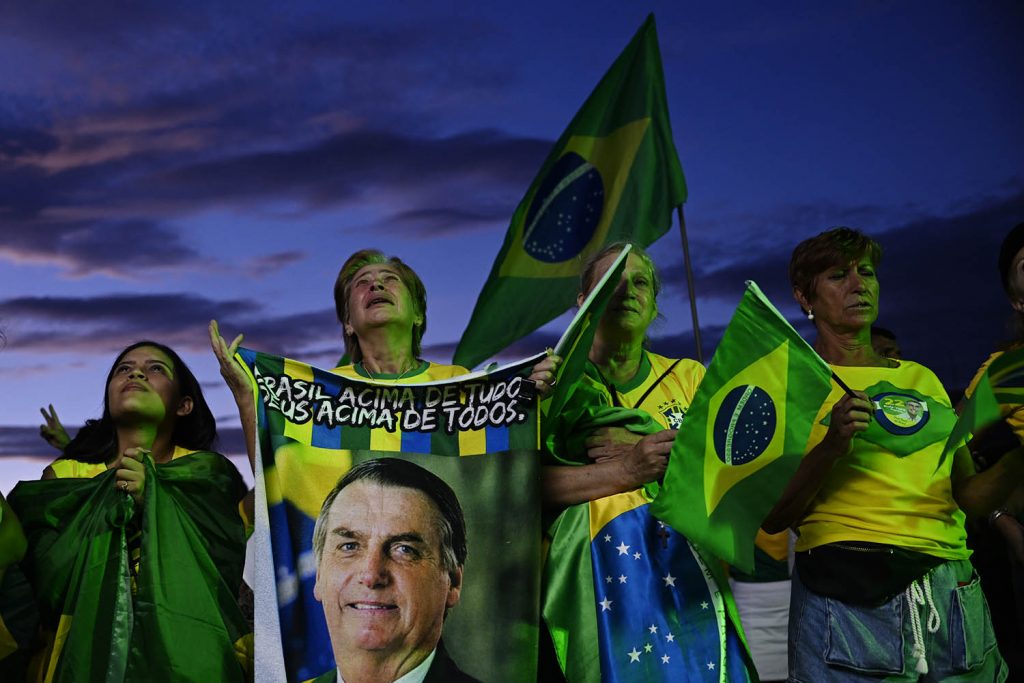
6 de Janeiro? World leaders were quick to send their congratulations to Lula, perhaps reflecting fears that Bolsonaro might not accept the result. The former army captain has spent years casting doubt over Brazil’s electoral system, claiming the country’s electronic ballot boxes are susceptible to fraud. In yesterday’s election, the federal highway police set up roadblocks predominantly in Lula’s northeastern strongholds, leading to accusations of voter suppression. Some of his allies have recognised Lula as Brazil’s president-elect, but Bolsonaro, who has followed Donald Trump’s lead before, has yet to admit defeat. Brazil is still on edge.
Euan Marshall has reported from South America since 2011. He is based in São Paulo.