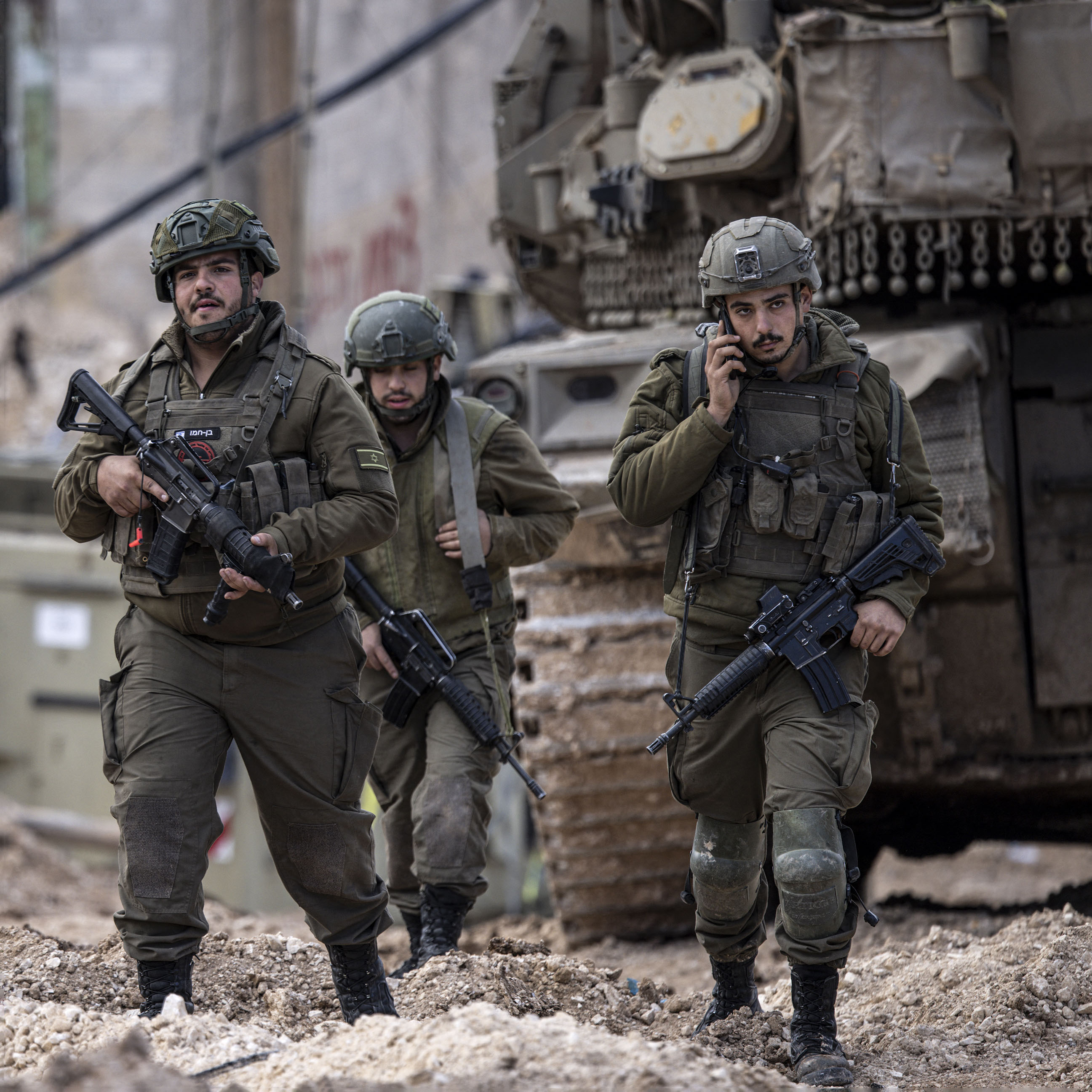
Israel’s defence minister Israel Katz this week announced plans to “capture large areas” of Gaza to add to his country’s “security zones” – in a move he said was designed to pressure Hamas into releasing the remaining Israeli hostages.
Katz’s remarks followed a series of Israeli evacuation orders for Palestinians across the Strip, and appear to be part of plans proposed by the newly appointed head of the Israeli military, with the support of far-right ministers, to reoccupy the enclave.
Hundreds of thousands of Palestinians have been forced to move this week to al-Mawasi, a small and barren piece of land on Gaza’s coast where displaced families have lived in tents over the past 18 months.
Despite labelling it a “humanitarian zone”, Israel has routinely bombed the area. 90 per cent of Gaza’s population have already fled their homes since the start of the war, often multiple times.
Since October 2023, the Israeli army has razed buildings across Gaza’s perimeter to create a roughly one-kilometre “buffer zone”, taking approximately 17 per cent of the Strip’s territory.
Recent maps published by the Israeli army appear to show it is expanding this zone by displacing more of the population, who receive evacuation notices via social media updates from the Israeli army’s Arabic-speaking spokesperson or leaflets dropped from the sky.
Olga Cherevko, a spokesperson for the UN humanitarian agency OCHA, warned that more than 60 per cent of Gaza is now considered a no-go zone. Even before the war, Gaza was one of the most densely populated areas in the world.
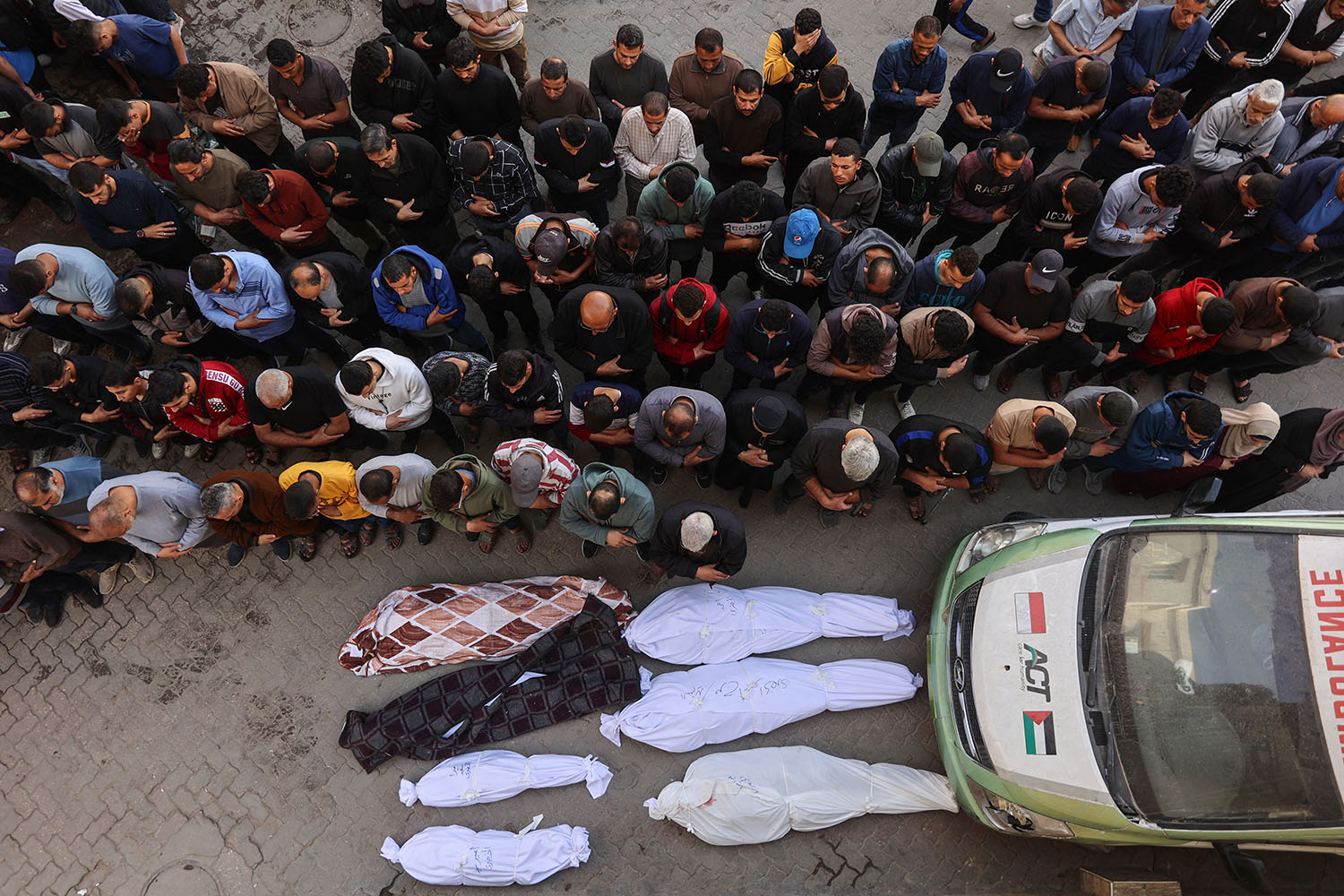
Since Israel resumed its assault on 18 March, the situation in Gaza has become increasingly desperate. More than 1,000 Palestinians have been killed in airstrikes over the past two weeks, including more than 300 children.
Israel has prevented the entry of food, water, fuel and medicine into the Strip for more than a month – the most severe blockade since the war began. All remaining bakeries were forced to shut this week due to a lack of flour and cooking gas. Hospitals are rationing painkillers and antibiotics as medical supplies dwindle, and the displaced are struggling to find shelter. According to Gavin Kelleher of the Norwegian Refugee Council, more than a million people are urgently in need of tents that are not able to enter Gaza.
In a statement on Wednesday, Israel’s prime minister Benjamin Netanyahu announced the army’s capture of an additional stretch of land between the southern cities of Rafah and Khan Younis, which it has named the “Morag Corridor” after an Israeli settlement that existed in Gaza before the country withdrew in 2005. The area contains some of the last agricultural land and water infrastructure in Gaza.
Morag joins the “Netzarim Corridor” in the north and the “Philadelphi Corridor” in the south, which are already under Israeli control. Together they cut off the three major cities in Gaza from one another, and seal off the border with Egypt – the Strip’s only border not under Israeli control.
Katz described the move as an effort to “crush and clean the area of terrorists”, while Netanyahu said Israel is “dividing up the Strip… adding pressure step by step” to ensure the release of the 59 hostages still held by Hamas. The families of captives released a statement asking whether the government was sacrificing the hostages “for the sake of ‘territorial gains’”.
Hopes for a return to the ceasefire and hostage-prisoner exchanges are dwindling. Netanyahu announced in a cabinet meeting last Sunday that Israel’s plan was to “take up responsibility for Gaza’s security and implement Trump’s voluntary emigration plan”.
Last weekend the Israeli security cabinet approved the establishment of a “Voluntary Emigration Bureau” to facilitate Palestinian relocation to third countries.
Palestinians in Gaza have opposed any talk of their forced displacement, and no country has agreed to take in Gazans en masse, despite offers of US and Israeli incentives. But the deterioration of humanitarian conditions on the ground is a victory for those hoping to lay claim to a Gaza without Palestinians.
Photo credit: OMAR AL-QATTAA/AFP via Getty Images