Capital Economy, Business and Finance

Germany’s economy contracted for the second year in a row in 2024 – and it could be heading for a third.
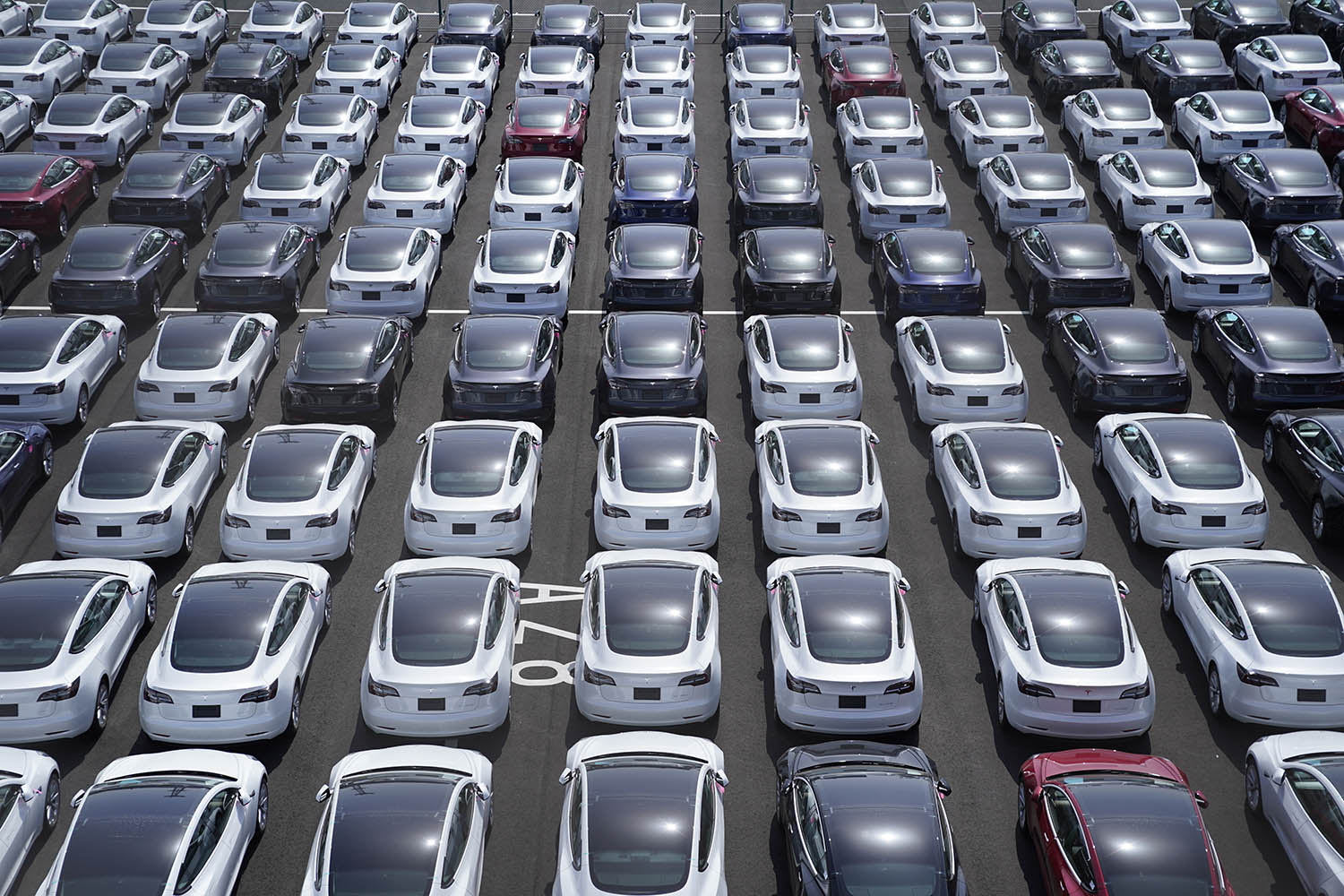
Increasing competition from abroad, weak demand for its main exports of cars and machinery, high energy costs and elevated interest rates have all contributed to the country’s longest period of stagnation since World War Two.
Not unrelated, it emerged this week that Volkswagen is looking to sell two factories it recently closed in Saxony to Chinese buyers.
Whoever wins the German election in February faces the unenviable challenge of protecting German workers’ interests, fixing crumbling infrastructure and dodging the impact of Trump’s tariffs on its heavy industries.
Friedrich Merz, leader of the centre-right CDU, and most likely the incoming chancellor, has said that green policy will take a backseat because of those pressures.