The 100-Year Life Health Education and Government
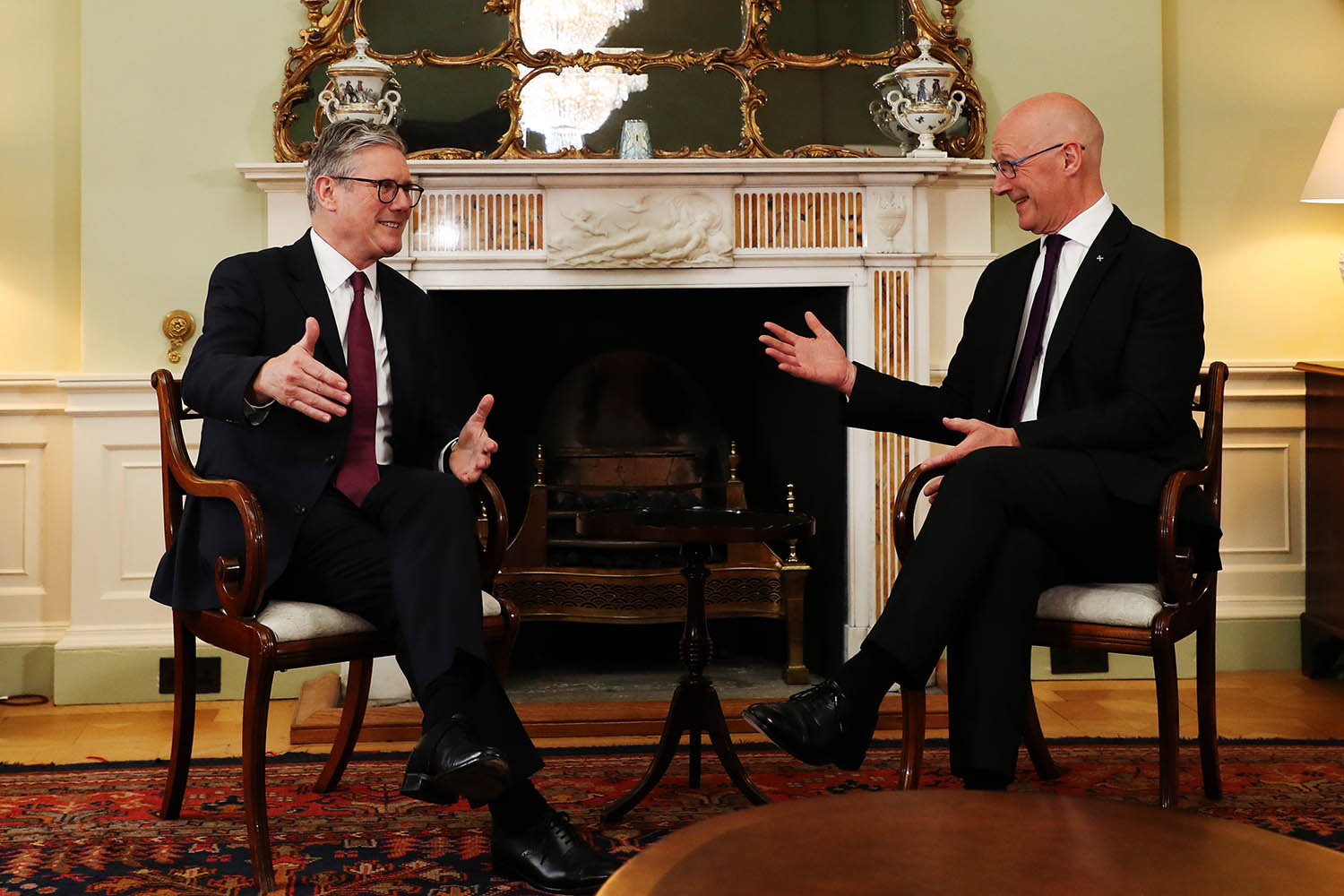
Prime Minister Keir Starmer is on a tour of the UK’s four nations before his first big international trip this week, as part of a “reset” with local leaders. But it’s not the devolved leaders – many of whom are Labour figures – who will pose immediate problems. It’s voters. Starmer arrived in Downing Street with the smallest vote share of any modern prime minister. Scotland, which he visited yesterday, was the prime driver of Labour’s landslide; here the party’s vote share rose 17 per cent. Conversely in Wales, which he visits today, Labour’s share dropped by four per cent. The best way to head off problems is to get ahead of them, and Starmer has already shown some ankle by canning the controversial (and costly) Rwanda scheme for deporting immigrants.
His top team has signalled their intentions in other key areas:
- Chancellor Rachel Reeves is today [Monday] announcing “changes to unblock infrastructure and private investment”;
- Also today, Health Secretary Wes Streeting opens negotiations with striking junior doctors seeking a pay deal;
- Foreign Secretary David Lammy’s visited Germany this weekend, with warm words about building a closer UK-EU relationship;
- Business Secretary Jonathan Reynolds has started negotiations over the planned closure of the Port Talbot steel works;
Starmer himself has raised hopes that some long-running challenges will be resolved by hiring a trio of non-political experts – senior silk Richard Hermer, former chief scientific adviser Patrick Vallance and respected businessman James Timpson – to take on challenging ministerial roles. Blair-era health secretary Alan Milburn is also being drafted in to help with NHS reform.
Starmer has also promised action on compensation for victims of the infected blood scandal, which will be expensive but the right thing to do.
Call me Bibi. Among the inevitable flurry of phone calls with foreign leaders over the weekend, the readout of Starmer’s call with Benjamin Netanyahu was perhaps most interesting.
As well as “urging caution” over any action on Israel’s northern border, Starmer “set out the clear and urgent need for a ceasefire, the return of hostages and an immediate increase in the volume of humanitarian aid reaching civilians”.
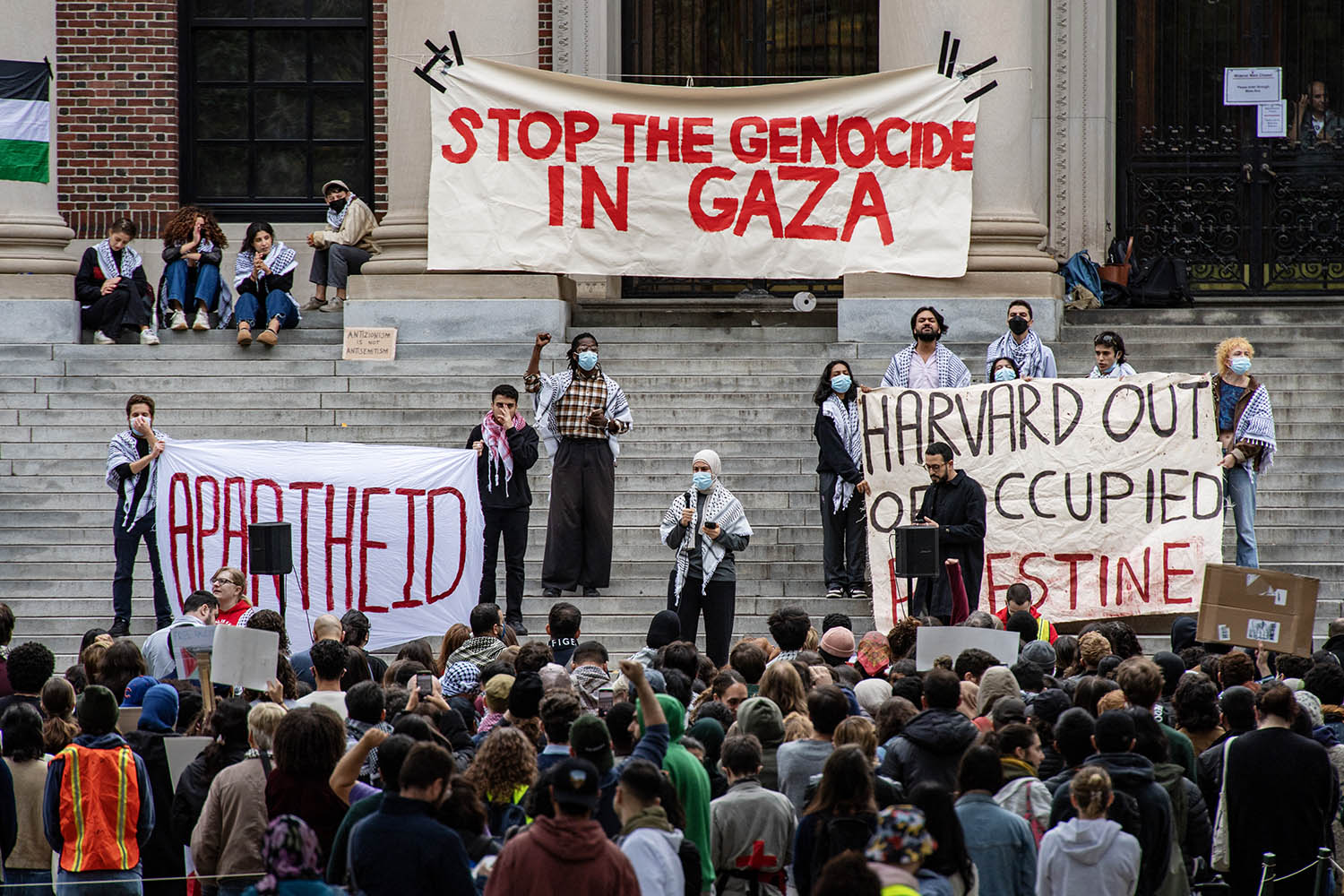
Two Labour MPs who don’t agree on much – Corbynite Zarah Sultana and centrist Jess Phillips – diagnosed the party’s position on Gaza as having undercut the vote last week. Many others agree. According to the BBC:
- Around 80 per cent of Muslims voted Labour in 2019.
- That dropped by 20 per cent nationally in 2024, with wider swings in some seats, like Leicester South, where shadow minister Jon Ashworth lost to a pro-Gaza independent.
With Muslims making up around 6.5 per cent of the population in England and Wales, that’s a sizeable demographic which Labour will need to placate. But it’s not the only one.
Votes matter. Reform did well across the country, winning five seats and coming second in 98 seats nationwide. This weekend Nigel Farage said his party is “coming for” Labour.
Starmer has time, and a large majority, on his side, but by-elections as well as locals could put the pressure on sooner than he’d like.
This weekend Josh Simons, one of the new MP intake, said trust will be “at the front of Keir’s mind” as he looks to fend off the anti-establishment threat posed by Farage et al.
“There are millions of people who do not trust democratic institutions and have lost faith,” he told LBC. “We have to make the argument that there is a point, it matters who is in power in Westminster.”