Technology AI, Science and New Things
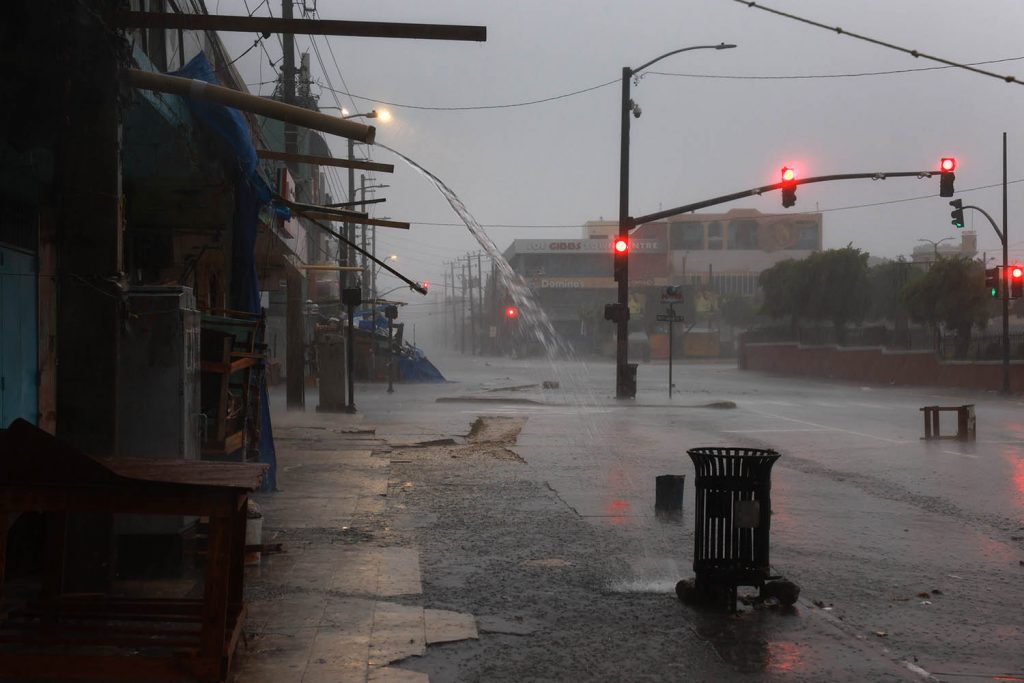
Hurricane Beryl hit Jamaica on Wednesday with heavy wind and rain, killing at least one person, as the category 4 hurricane’s eyewall skirted the island’s southern coast. The total death toll has climbed to at least ten across the Caribbean, as Beryl heads towards the Cayman Islands and Mexico’s Cancun beach resort. Beryl expanded from an unnamed tropical depression to a category 4 hurricane in 24 hours, a phenomenon known as rapid intensification, reaching category 5 shortly afterwards. This is the earliest recorded category 5 hurricane in the Atlantic – typically major storms don’t arrive until August or September. Beryl became so powerful so early due to warming ocean water producing more water vapour, which fuels storms. A summer of destruction is forecast.
Meteorologists’ gravest concerns are the strength and speed of Beryl in the downtime between the El Niño and this summer’s La Niña climate pattern. La Niña brings hot weather and creates perfect storm conditions. Shell is already evacuating personnel from the Gulf of Mexico, and with the last hurricane of similar intensity causing $10 billion in damage, shares in insurance companies have plunged. Meanwhile, a research team at the University of Pennsylvania has proposed adding category 6 to the Saffir-Simpson scale, arguing the scale no longer adequately conveys the threat the biggest hurricanes present.