Protests claiming the mantle of the anti-apartheid movement are likely to backfire.
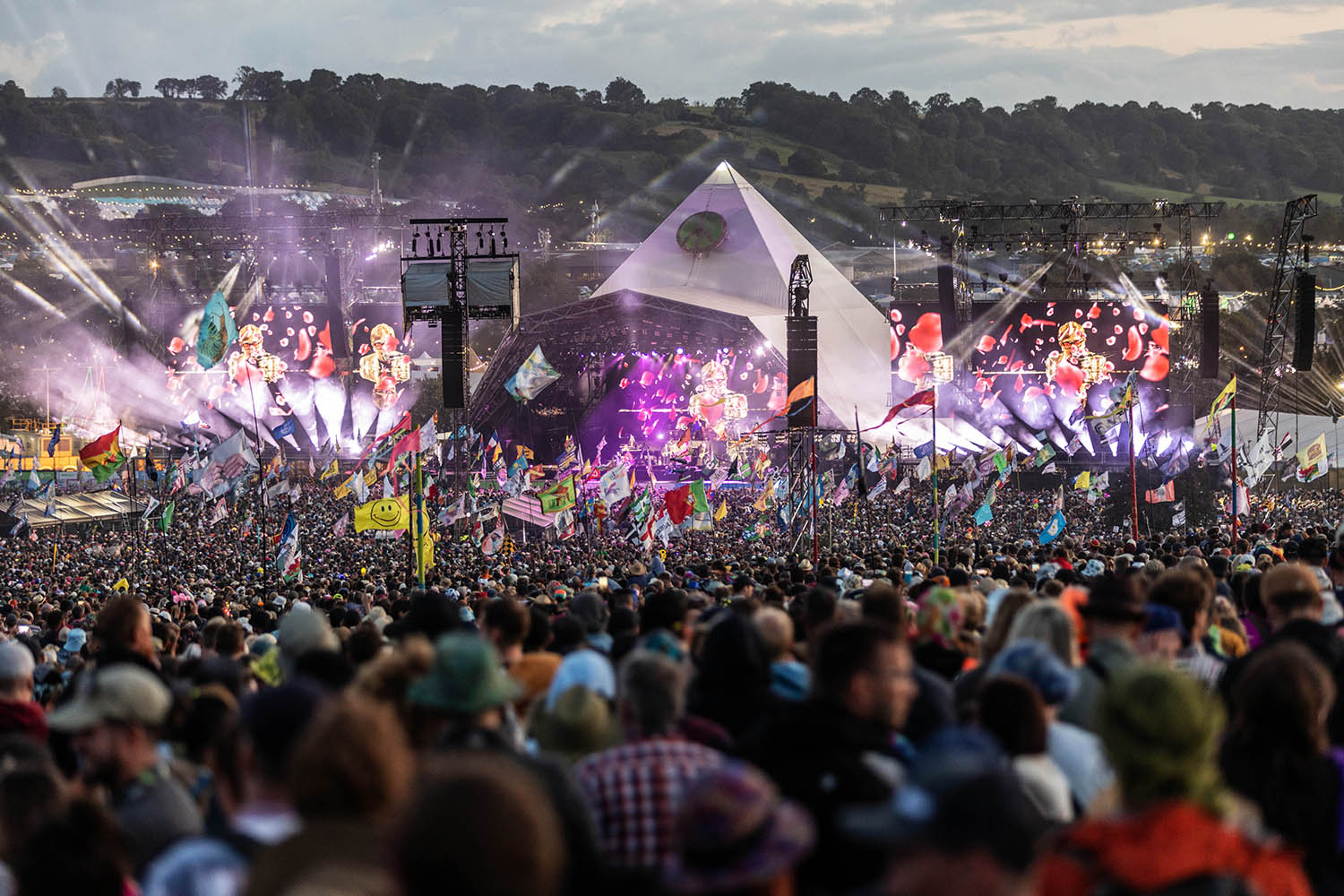
Glastonbury festival opens next week, sponsored by Land Rover and Vodafone. Land Rover military vehicles are used by the Israeli Defence Force and its business largely requires fossil fuels. Vodafone’s largest shareholders – Emirates Investment Authority, BlackRock and the Vanguard Group – are heavily invested in oil, gas and Israel. The festival is going ahead as planned.
So what? Glasto got lucky. Elsewhere, the UK’s festival season is being torpedoed by protests that won’t achieve their aims but will hurt culture.
- On Friday, Barclaycard suspended sponsorship of Latitude, Camp Bestival, Download and the Isle of Wight festival after musicians organised by Bands Against Barclays refused to perform, protesting Barclays’ involvement in companies supplying the IDF.
- The previous week, the investment firm Ballie Gifford cancelled sponsorship of the Cambridge, Stratford, Wigtown and Henley literary festivals after the Hay and Edinburgh literary festivals ended deals under pressure from Fossil Free Books and authors including Ali Smith, Charlotte Church and Nish Kumar.
The boycott theory of change. Consumers refuse to buy goods to force a company to alter its behaviour, creating social change. Northwestern University professor Brayden King found the ideal target is a large company with a high-status reputation, a boycott that gains media coverage, celebrity endorsements and public demonstrations.
Judging a book by its cover. By that definition the Baillie Gifford boycott is a curious target. Bigger book companies have direct contact with consumers and are owned by fossil fuel investors, including:
- Elliot Investment Management, which owns Waterstones and Barnes and Noble and trades in crude oil and oil products.
- The KKR private equity fund, which actively invests in oil and gas and owns Simon & Schuster, whose authors include FFB organisers Emma Reynolds and Omar Robert Hamilton.
- Fossil fuel investors Causeway Capital Management, Blackrock and the Vanguard Group, which are WH Smith’s largest shareholders.
The theory of unintended consequences. “We were shocked when Hay said it was dropping Baillie Gifford. Our campaign was meant to be the start of a negotiation,” an unnamed Fossil Free Books author told the FT. The firm’s festival sponsorships added up to about £1 million a year. “The financial position for most festivals is already fragile,” according to Wigtown’s artistic director Adrian Turpin. “Now we have £100,000 missing from our five-year plan.”
Why Barclays and Ballie Gifford? The Palestinian Solidarity Campaign has been boycotting Barclays since July 2022, saying the bank invests over £8 billion in nine companies that supply Israel’s military. Fossil Free Books says Baillie Gifford invests in firms that profit from fossil fuels and companies supporting Israel’s military.
Why not Barclays and Baillie Gifford? Barclays insists it trades in companies under instructions from clients. This results in holding shares but not investing in those companies. Two per cent of Baillie Gifford’s £225 billion in assets are in oil and gas against an industry average of 11 per cent. The pro-Israel companies it invests in include Amazon – the world’s biggest bookseller – and Meta.
Artswashing. Art philanthropy has a dark history. The Tate family’s sugar fortune was built on slavery. Let’s not get into the Sacklers. And Big Oil has targeted the arts world since 1986 when Herb Schmertz, head of public affairs for Mobil and a former military-intelligence officer, suggested “affinity-of-purpose marketing” to influence public opinion.
Next? Pro-Palestinian groups want boycotts of
- McDonalds, which sponsors the Isle of Wight festival;
- Pepsi, which sponsors Reading, Download and the Isle of Wight and owns Rockstar Energy, sponsor of Leeds and Reading festivals;
- Cisco, which sponsors Pride in London;
- Coca Cola, which sponsors Pride in London and Boardmasters, and
- L’Oreal, which works with Suzy Lamplugh Trust at London’s All Points East festival to provide safe spaces for female festival goers and bystander training for staff.
And the consequences were. Barclays and Baillie Gifford have no plans to divest the offending shares. The anti-apartheid boycotts of Barclays Bank and Shell forced them to pull out of white rule South Africa but, as companies move faster in the social media age, these boycotts are not creating social change. They are merely modifying the companies’ marketing strategies.


