A new era of royal transparency turns out to be anything but.
Queen Camilla is taking a break from royal duties until 11 March, according to press reports over the weekend, making her the fifth of the nine official working royals to miss work this month.
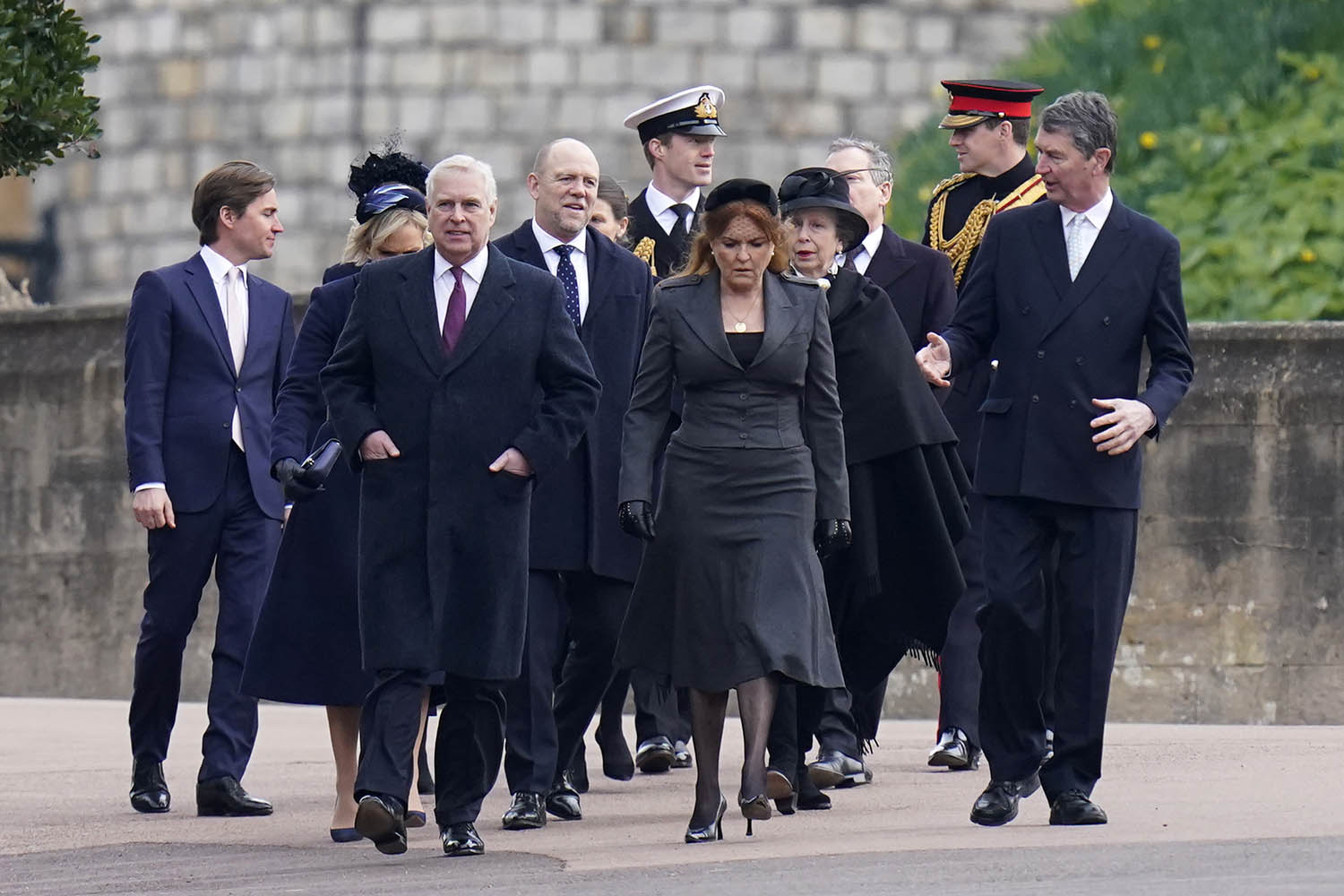
So what? Camilla led the Royal Family at last week’s memorial service for Constantine II, the last king of Greece, with most senior royals absent from public view.
The so-called working royals are King Charles, Queen Camilla, Prince William, Kate (Princess of Wales), Princess Anne, the Duke and Duchess of Edinburgh, the Duke of Kent, Princess Alexandra and the Duke and Duchess of Gloucester.
- Prince William pulled out of the memorial service at the last minute for unspecified “personal reasons”.
- Kate has not been seen in public for two months, since the palace reported that she was undergoing abdominal surgery. There have been updates, but observers have found it peculiar that there have been no photos of her, even emerging from the hospital and heading home.
- King Charles has postponed his public-facing duties for the foreseeable future while he’s treated for an unspecified cancer.
- The 88 year-old Duke of Kent is recovering from an operation.
To be clear. The royal family is a family, and like any of the thousands of families dealing with serious illness it has the right to say as much or as little about the details as it wishes. William in particular is having to cope with deep anxiety on two fronts, compounded by the knowledge that if he and his advisors invite more speculation it will rebound on everyone concerned, including his children.
And yet, unclear. The decision by Buckingham Palace to make details of Charles and Kate’s hospital visits public was supposed to signal a new era of transparency around royal health matters. That era does not seem to have lasted long. Things we don’t know include:
- What sort of cancer King Charles has.
- How serious it is.
- What Kate’s abdominal surgery was for.
- Why Camilla has withdrawn from public duties.
- What prevented William attending his godfather’s memorial service.
Does this matter? Recent history suggests it does. The palace’s decision to prioritise privacy over transparency when relations between Charles, William and Harry were fraying was seen afterwards to have been a mistake. Tobyn Andreae, head of communications at the palace since 2022, set out to learn from it, but it’s not clear he has – nor that he has a firm grip on overall messaging.
Furthermore… There are some rituals only a sitting monarch can perform – including granting a request from the prime minister to dissolve parliament before a general election and asking the leader of the party holding a majority to form a government. A democracy is entitled to know about the health of its head of state if that head of state’s health affects the democracy – and this is assumed to be an election year.
A little too slim? Prince William, Princess Anne and the Duke and Duchess of Gloucester are the only royals available to fulfil the monarch’s public duties and only one of them is under 50. Prince William has not been active for a while. The day after his father’s cancer diagnosis was announced he appeared at his first public engagement for 53 days. He then took a ten-day break until the Baftas on 18 February. The Duke and Duchess of Gloucester, aka Prince Richard and his wife Birgitte, are currently on a “Cathedrals in Pilgrimage” tour, visiting a cathedral roughly once a week.
Counsellors of State. If King Charles’ condition deteriorates, Counsellors of State are authorised to carry out most of his official duties, including attending Privy Council meetings, signing routine documents and receiving the credentials of new ambassadors. The current Counsellors of State as named on the Royal Family website are the Queen, the Prince of Wales, the Duke of Sussex, the Duke of York and Princess Beatrice. In 2022, the King asked parliament to add Edward, the Duke of Edinburgh, and Princess Anne, to deputise if needed.
Wait… Sussex and York? Yes, Prince Andrew and Prince Harry. Prince Andrew, stripped of his public role after settling a sex abuse claim brought by Virginia Giuffre, attended Constantine’s memorial service after Prince William pulled out. He smiled a lot.
The internet abhors an information vacuum. Online suspicions range from uninformed but excessively detailed speculation about the nature of Kate’s abdominal surgery to claims that Queen Camilla is Saltburning the family – an idea based on Emerald Fennell’s movie in which an Oxford undergraduate worms his way into the affections of an aristocratic family to gain control of their property. Camilla’s break scuppers the Saltburn theory but leaves even more confusion and uncertainty.
Keep Calm and Carry On. The BBC ran a royal death rehearsal last week. The corporation does these things from time to time, so it may not mean anything. Or it may. It’s hard to know. Which is the point.
More than 70 countries are holding elections this year, but much of the voting will be neither free nor fair. To track Tortoise’s election coverage, go to the Democracy 2024 page on the Tortoise website.


