Sensemaker Daily

- The Mexican supreme court decriminalised abortion nationwide.
- Chris Pincher, the British MP, resigned after loosing his appeal against suspension for alleged groping.
- A Florida man was arrested for trying to cross the Atlantic in a hamster wheel.
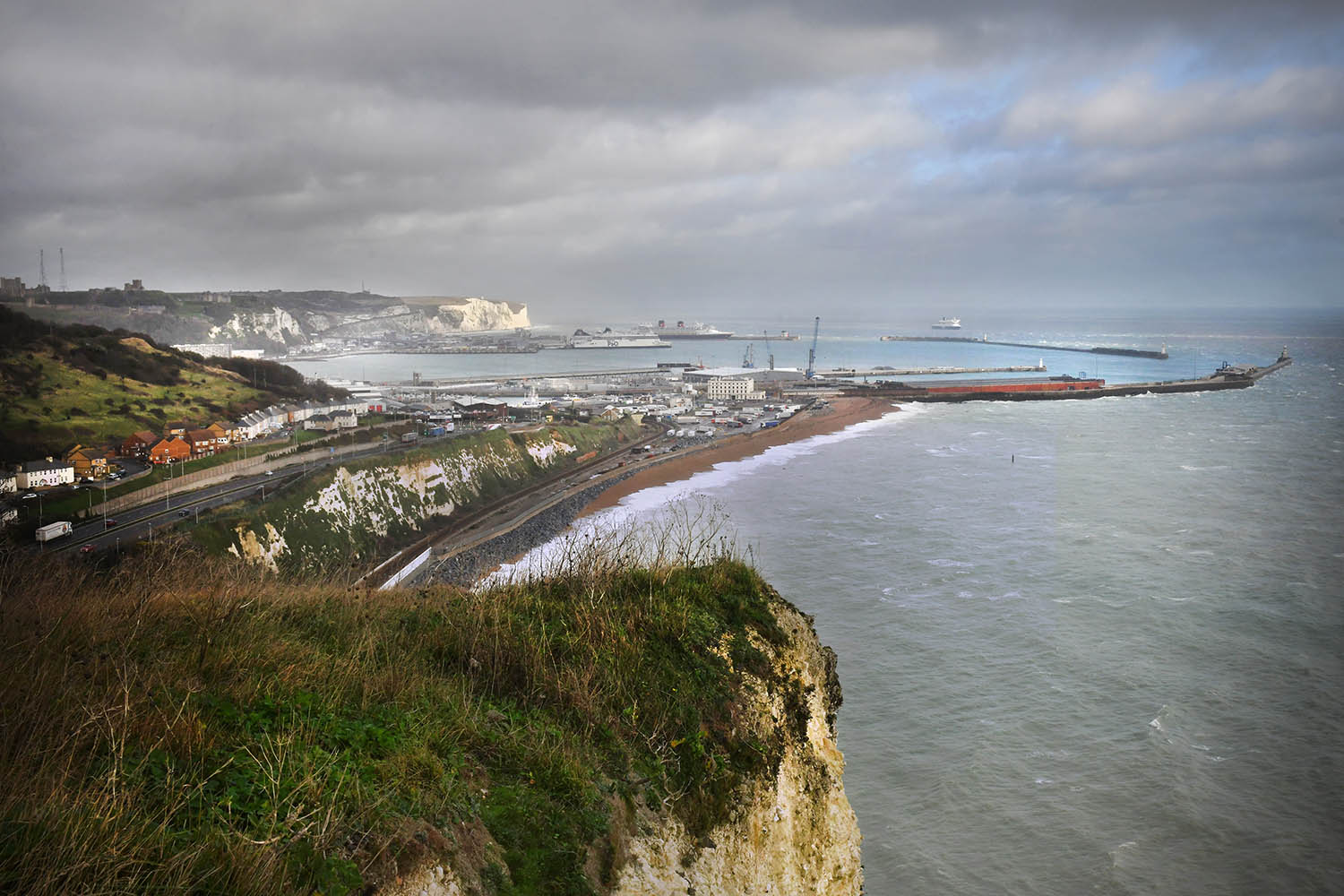
Britain is to rejoin the EU’s Horizon science and research programme as the Port of Dover makes plans to reclaim land from the Channel for cars waiting for Brexit checks.
So what? The reality of Brexit is coming into focus and the country is having to change shape for it. The reclaimed land near Dover’s Western Docks will be visible from space.
Seven years after the EU referendum the cost of Brexit in foregone growth, trade and investment – up to 5 per cent of GDP or about £100 billion a year by most estimates – is a familiar problem for employers, workers and the Treasury.
Brexit also turns out to be
- lopsided, especially for small UK businesses;
- unpopular, at least in Britain;
- accepted, at least in Brussels;
- taboo for the UK’s Labour party; and
- reversible in parts, but only by stealth.
Lopsided. UK exporters face full EU customs checks even though EU exporters to the UK don’t, until next year at least. Even then EU residency rules will prevent British businesses sending British staff to Europe for more than 90 days a year. The new obstacles to trade meant 42 per cent of product lines exported to the EU by the UK were stopped in the first 15 months of the EU/UK Trade and Cooperation Agreement’s operation.
Unpopular. The gap between would-be rejoiners and committed Brexiters is widening. It now stands at 58 per cent for rejoining the EU vs 42 for staying out, according to the post-Brexit poll of polls run by the National Centre for Social Research.
Accepted – in Europe. With Northern Ireland’s status settled, the EU believes it got most of what it wanted in the TCA. Maros Sefcovic, who negotiated the deal for Brussels, now has an expanded brief in which co-chairing the EU/UK Partnership Council is merely one of 26 responsibilities. “There’s no great impetus on the EU side to rethink Brexit,” says Jill Rutter of UK in a Changing Europe.
Taboo – for Labour. Why tell voters they were wrong when the signs are the next election can be won without reopening old wounds?
Reversible – in parts. Britain’s return to the €85 billion Horizon science programme, confirmed today, may be an indication of the awkward dance ahead. It shows the UK can rejoin an EU institution without rejoining the EU, but it took two years of haggling over money even though it was anticipated in the TCA. The main obstacles were British demands for compensation for the two years it was out of the programme, even though Brexit was the UK’s idea. One close observer of the process ascribes its slowness to “a prime minister whose world view is a weird and subtle mix of India and California… Viewed through his eyes, Europe is the past”.
In reality Europe is one of the world’s three great trading blocs and the UK has chosen to drift away from it, says Stuart Rose, the former Remain chair and Marks & Spencer CEO, who this week forecast a return to the EU within 20 years.
Back in 20? That’s a long time in politics, but Rutter reckons rejoiners would have to be polling in the 70s or 80s for the EU to be willing to reopen negotiations. She floats three questions:
- Will the EU’s need to accommodate Ukraine create different sorts of membership on offer to the UK too?
- Does mainstream British Conservative thinking on Europe evolve in a pro-business and therefore pro-EU direction?
- Does the rise of the right in Europe slow down progress towards “ever closer union” in the EU – and thereby make it more congenial for Britain?
For believers in prosperity and opportunity over tribalism and control, Brexit is the sensemaking challenge of the age. Dover and Horizon suggest that fixing it will be piecemeal, expensive and slow.


