Sensemaker Daily
- Donald Trump said he was the target of a criminal probe into efforts to overturn the 2020 presidential election.
- President Ramaphosa said arresting Putin at the Brics summit in South Africa would be a “declaration of war’.
- An Australian sailor and his dog were rescued after more than two months lost at sea.
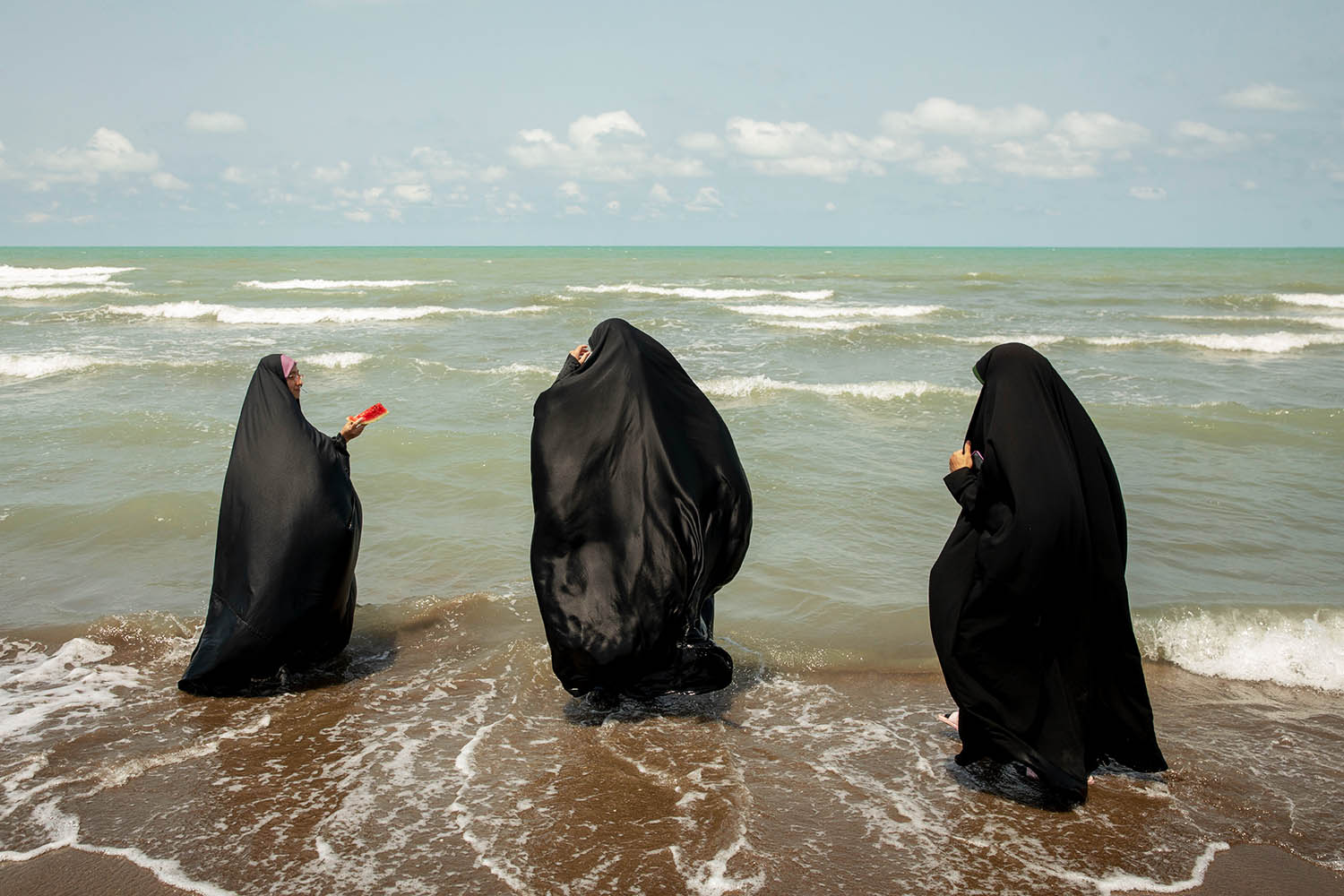
Iran’s morality police have resumed patrols across the country to force women to wear headscarves in public, ten months after the death of a young woman in custody led to furious public protests.
So what? It’s a shift in tone from recent months, as more women defied hijab laws and left home with their heads uncovered. The renewed push to force women into line looks like the regime is worried about protests erupting again.
Scent of rebellion. The death of 22 year-old Mahsa Amini in police custody last September sparked demonstrations across the country under the banner of “women, life, freedom”. In more than 100 cities, people called for the death of the supreme leader Ayatollah Ali Khamenei and an end to the Islamic Republic.
These faded away at the turn of the year, as the regime countered with
- 20,000 arrests;
- at least 300 killed, including 41 children, says Amnesty International;
- widespread brutality, including deliberately shooting protesters in the eye; and
- at least 14 people sentenced to death over the protests.
But the motivations behind the unrest didn’t fade. Small acts of protest continued. Women refused to wear the hijab, people sprayed graffiti and families publicly marked the birthdays of those killed in the protests – sometimes with deadly reprisals from the security services.
For a time, the morality police disappeared from view, with reports last December that the force had been abolished. But ahead of the anniversary of Amini’s death, any apparent reprieve is now over.
- Last week a woman in Varamin, in Tehran province, was reportedly ordered to wash corpses for a month for violating hijab laws.
- Actress Azadeh Samadi was ordered by a court to seek psychological treatment for an “antisocial personality disorder” after appearing at a funeral two months ago wearing a cap instead of a headscarf.
- Businesses have been closed if staff do not conform to the rules and
- surveillance cameras are being used to track down offenders, who are threatened with fines and cut off from internet access.
This week, intelligence agents arrested actor Mohammad Sadeghi after he posted videos online criticising the morality police. “More arrests should be anticipated,” says Holly Dagres, a nonresident senior fellow at the Atlantic Council, as the regime targets not just dress but dissent, adding that Iranian women remained defiant.
A female student in Tehran told Reuters: “They cannot impose it like before – the number of people who do not obey is too high now. They cannot handle all of us, the last thing they can do is use violence and force against us.”
Iran’s leaders face two key problems:
Demographics. Sixty per cent of Iranians are under 30. Karim Sadjadpour, a senior fellow at the Carnegie Endowment for International Peace, described the protests last year as a battle between “a predominantly young and modern population… versus an ageing and isolated theocratic regime, committed to preserving its power.”
Economics. The protests took place as Iran’s economy was tanking, with international sanctions limiting Tehran’s oil exports and access to foreign currency. The rial has lost 50 per cent of its value against the US dollar since Ebrahim Raisi was elected president in 2021, while prices continue to soar.
Tehran is trying to break out of its isolation, seeking legitimacy and funds by restoring ties with Saudi Arabia; touring countries in South America and Africa and reportedly entering quiet talks with America around limiting Iran’s nuclear research in exchange for the ability to ship more crude. But any money raised will likely be used to repay existing foreign debts and shore up the regime rather than improve the lot of Iranians.
The Iranian regime has a history of holding out against the odds. But the gap between protests is narrowing. The only question is when the next spark will fly.


