Cannes is rehabilitating stars disgraced for sexual misconduct, but the Gartner hype cycle says all progress is not lost.
- Drones hit buildings in Moscow as Russia launched its fourth round of airstrikes in three days on Kyiv.
- Joe Biden said a US debt ceiling deal was ready to go to Congress for a vote.
- Spain’s Pedro Sanchez gambled on a snap general election in July after his party was humiliated in local elections.
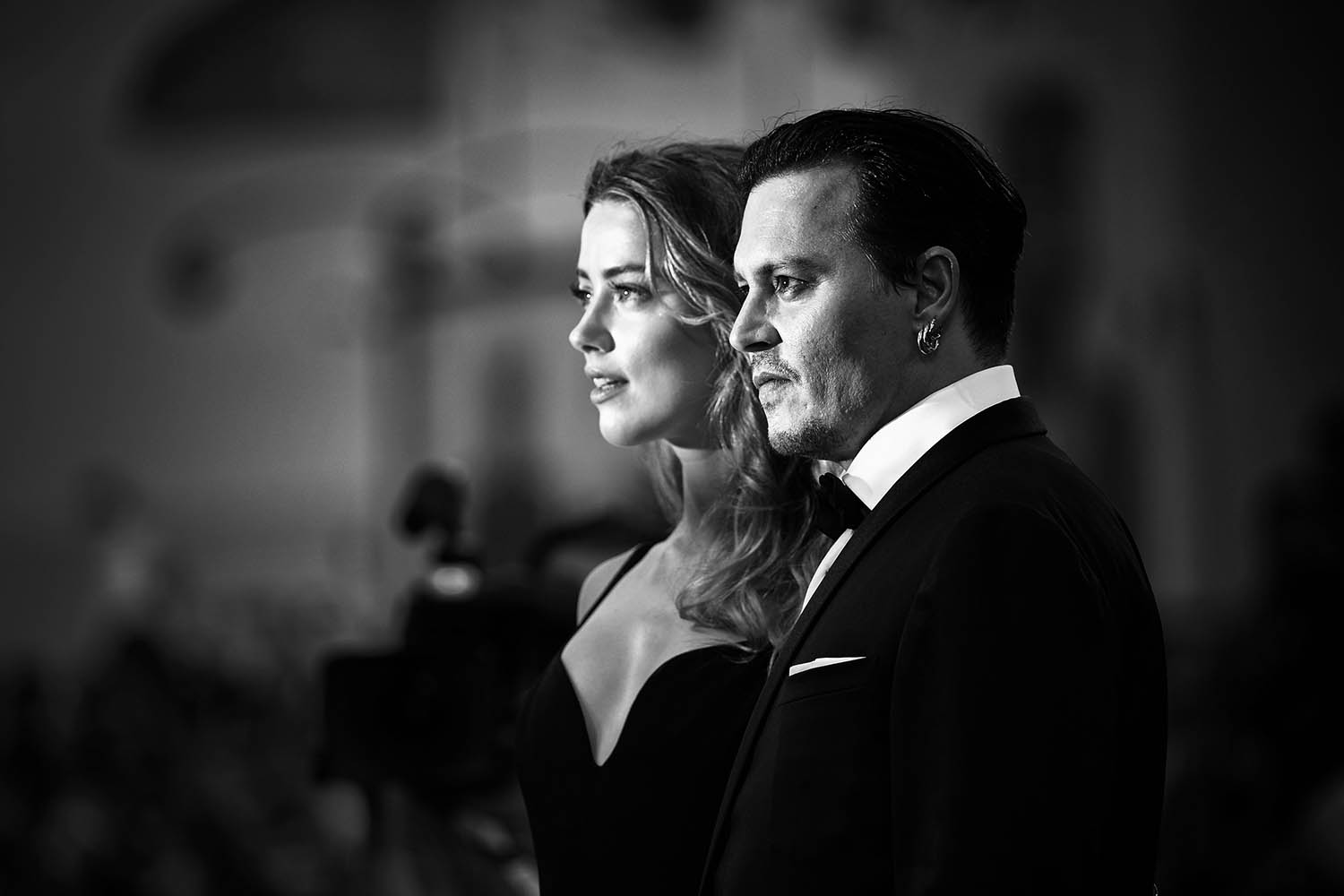
As the Cannes Film Festival opened this month, organisers escorted protestors from the town and rolled out the red carpet for Johnny Depp, who arrived to receive a seven-minute standing ovation. He dabbed at his eyes, then settled in to watch himself star in the festival’s opening film – Jeanne du Barry, a historical romp where he plays the lusty King Louis XV.
So what? The Cannes Film Festival is running a rinse-down service for Hollywood stars looking to clean off their MeToo dirt. Last year saw James Franco, Luc Besson and Kevin Spacey working the Croisette for their movies Mace, June and John and Peter Five Eight respectively.
Salon de la dernière chance: It seems to work. James Franco was accused of creating a “pipeline of young women who were subjected to his personal and professional sexual exploitation” by seven women. Franco settled for $2.2 million, is playing Fidel Castro in Castro’s Daughter and starring in 2024’s The Price of Money. Spacey is in Peter Five Eight this October.
Who needs Cannes? The Great Uncancelling is moving at such a pace that most actors don’t even need to go to France. Today, unless they’re is in jail, they’re probably working.
- Louis C.K. swiftly uncancelled himself and won a Grammy after masturbating in front of female employees.
- Aziz Ansari, a star of Parks and Recreation, was accused of sexual misconduct but resumed his career with a Netflix special.
- Shia LaBeouf’s Padre Pio opens on 2 June. He is accused by his former partner FKA twigs of sexual battery, assault and infliction of emotional distress.
- The Flash star Ezra Miller was accused of violence against women, sexual manipulation and multiple counts of grooming. Their new Flash movie is out 16 June.
But why? “I’ll avoid this one on anything except ‘deep background’,” one senior producer says over the phone. “Short of an actual felony conviction, the question is, ‘Will they sell tickets?’”
MeToo was so six years ago: On 16 October 2017 Alyssa Milano posted that if “all the women who have been sexually harassed or assaulted wrote ‘Me too’ as a status, we might give people a sense of the magnitude of the problem”. That amplified activist Tarana Burke’s original 2006 campaign to empower young and vulnerable women of colour. Given it needed Uma Thurman, Gwyneth Paltrow and Jennifer Lawrence to hit the headlines, activists and journalists questioned whether MeToo would change anything beyond Tinseltown.
More than movies: It did. US politicians, company chairmen and CEOs all fell, while women working in farming, hospitality, construction, Silicon Valley, McDonald’s and even the Confederation of British Industry have kept the movement alive.
But if Hollywood gives up… does that mean this will all be temporary, everything will pass and the assaults return? Maybe not.
The Gartner Hype Cycle of Shame: Gartner, a US tech research firm, tracks the spread of ideas and innovation through society using its Hype Cycle. There are five stages – the Trigger, the Peak of Inflated Expectations, the Trough of Disillusionment, the Slope of Enlightenment and the Plateau of the Mainstream. In short, an idea launches, spreads like wildfire through over optimism, suffers a backlash, has its true value revealed and gradually reaches everyone.
Peaks and Troughs: As inflated expectations turn to disillusionment, there are scores of failures, according to the Gartner model. Interest wanes, and indeed the hashtag has lost much of its power. The Great Uncancelling is another pivotal moment in the hype cycle, but if the CBI scandal is a sign that the change will hold – MeToo 2.0, in which British industry gives up its dinosaurs – then we are on our way to Enlightenment. And King Louis XV, Depp might note, was the French king whose abusive ways prompted the French Enlightenment and led to revolution. Fingers crossed, eh, Johnny?


