Why did Bud Light, America’s best-selling beer, take a punt with its latest marketing campaign?
- MI5 chief Anne Keast-Butler will become GCHQ’s first female director.
- Actors Matthew McConaughey and Woody Harrelson, due to appear in a show called Brother from Another Mother, revealed they could be real brothers after discovering McConaughey’s mother “knew” Harrelson’s father.
- Fashion designer Dame Mary Quant, who epitomised the Swinging Sixties, died aged 93.
by Liz Moseley
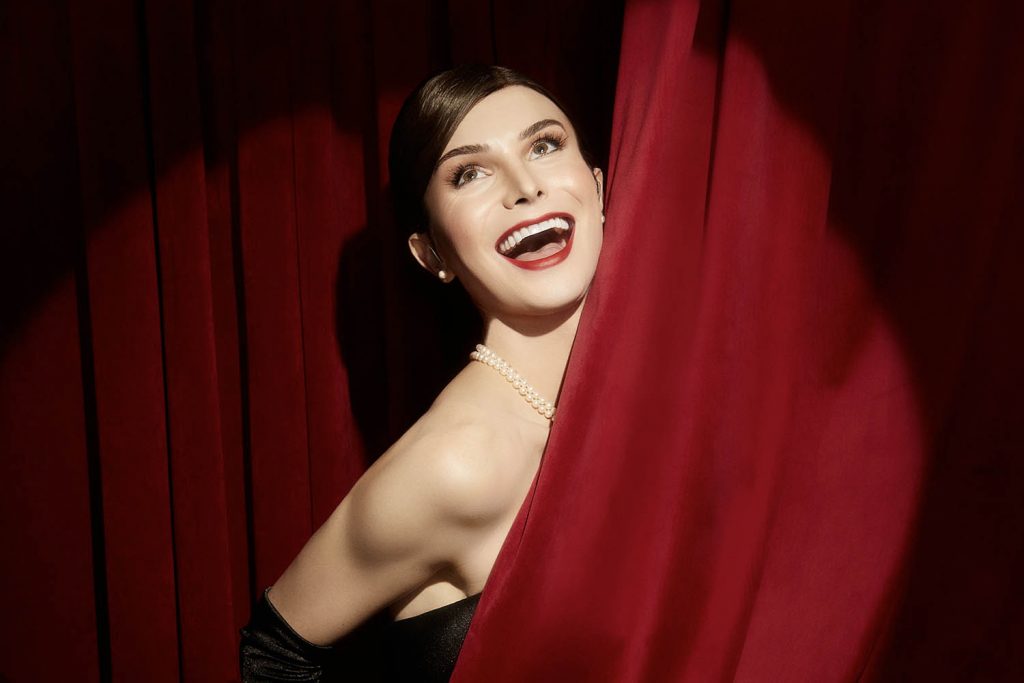
Bud Light has sparked an all-out (culture) war by paying 26 year-old trans influencer, actress and “Days of Girlhood” TikTok sensation Dylan Mulvaney to promote its beer online.
So what? It’s a cautionary tale – or, perhaps, a new blueprint – for so-called “legacy” brands battling inflationary pressures and new competitors to build relevance and protect market share with online audiences increasingly riven by politics.
In short. Bud Light sent Mulvaney a special customised can to mark the one-year anniversary of their gender transition, the story of which has racked up a cool billion views on TikTok. Mulvaney’s innocuous Bud Light chat, duly posted to their 1.8 million Instagram followers with the hashtag #budlightpartner, so angered former Confederate flag waver and ageing musician Kid Rock he donned his baby blue Maga cap and filmed himself opening fire on several crates of the beer in his garden.
Bud Light is America’s best-selling beer brand, accounting for just over 10 per cent of the market by volume. A stalwart of the famed Superbowl advertising spots – including a memorable collab with Game of Thrones in 2019 – Bud Light has a long-established marketing pedigree. Its owner, Anheuser-Busch InBev, boasts that 2022 was “a marquee year for our brands and marketing teams,” despite posting a drop in beer volume sales for Q4 2022 of 0.9 per cent.
Meet Alissa Heinerscheid, the 38 year-old hotshot new vice president of marketing for Bud Light. A fan of Brene Brown and watching cake decorating videos on Instagram, she’s a graduate of Wharton business school, a cancer survivor and, since last July, the first woman ever to land the big Bud Light gig. She told the Make Yourself at Home podcast just days before the Mulvaney storm blew up, “this brand is in decline, it’s been in a decline for a really long time, and if we do not attract young drinkers to come and drink this brand, there will be no future for Bud Light.” Her idea is to rid Bud Light of its “fratty, out of touch humour” and instead “have a campaign which was truly inclusive”. Hence the Mulvaney tie-up. In marketing, inclusivity is not just political, it’s commercial.
By the numbers
$974 million – Bud Light US annual sales value to March 2023 (down 0.4 per cent from the previous year).
1o million – Dylan Mulvaney’s followers on TikTok.
5.5 – per cent, the fall in AB InBev stock price between 6 April and 13 April.
Influencer marketing is not the wild west (anymore). A Superbowl ad spot costs $7 million, a sponsored post with a high-profile influencer perhaps tens of thousands. Lower budget can mean less scrutiny, but Scott Guthrie, director general at the Influencer Marketing Trade Body, says that’s changing as the discipline matures. “Brand safety is an important element of influencer marketing collaborations now,” he says. In other words, Bud Light will have gone into this with their eyes wide open.
But the internet is as wild as ever. A video showing a steamroller crushing crates of beer has racked up over 4 million views and delighted Bud Light loyalists – but was actually filmed in Mexico last February. An article claiming AB InBev had fired Bud Light’s entire marketing team as a result of the Mulvaney storm was widely shared but isn’t true. The official @budlight Twitter account has gone quiet since 2 April – the replies to its last post make for pretty bleak reading.
Has it worked sales-wise? It’s too early to say. US trade publication Beer Business Daily has reported that some distributors have been “spooked” by the kerfuffle and early wholesale data suggests Bud Light “took a volume hit in some markets over the holiday weekend, particularly in rural areas.”
Make Like Nike. Remember the teeth-gnashing and trainer-burning over Nike’s 2018 campaign starring Colin Kaepernick? That all worked out OK in the end. “In the past, we’ve seen brands take short-term hits for longer-term gains by living their values,” says Guthrie, and with Kaepernick “social media engagement rose. Brand equity rose. Crucially, sales rose (by circa 30 per cent).” Indeed, Nike has proven itself a socio-political shock absorber time and again, so nobody should be surprised that it engaged Mulvaney to plug a sports bra on Instagram last week, kicking off a whole other round of controversy.
It’s just a beer, people. All brands, even those built up over 40 years with many millions in advertising spend, are malleable. AB InBev’s ambition to “evolve and elevate” their number one beer to woo younger drinkers makes sense. The Mulvaney activity has certainly made noise. Whether it drives sales is yet to be seen.
(News in brief)
The One Where Everyone Talked
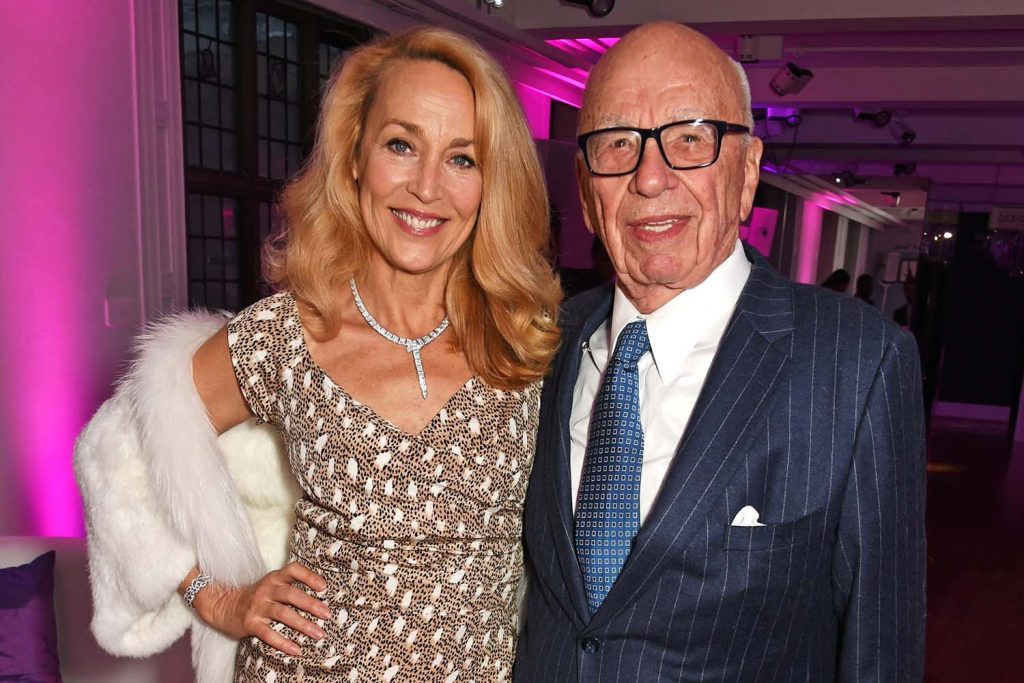
As if Rupert Murdoch didn’t have enough on his plate with the Dominion/Fox News lawsuit, Jerry Hall has been showing the world that however private you want to keep relationships, there are always friends who talk. In Hall’s case, they’ve been talking to Vanity Fair magazine, confiding that Rupert apparently broke his back after being pushed into a piano by ex-wife Wendi Deng (Deng did not respond to Vanity Fair‘s request for comment), was spoon-fed by Hall while pretending he was well enough to work, tore his Achilles tendon tripping over the box of a chessboard, asked her to take winemaking classes so he could write off $3 million in vineyard expenses and left surveillance cameras running in the Oxfordshire home she received in the divorce. Friends report Hall was stunned to see him dating Ann Lesley Smith – they’d met a year earlier and Hall didn’t think anything amiss even when Smith offered to give Murdoch a teeth clean. Friends also say Murdoch insisted she not leak plot ideas to the Succession writing team as a condition of the divorce. Although perhaps her friends did.
Duo of dreams
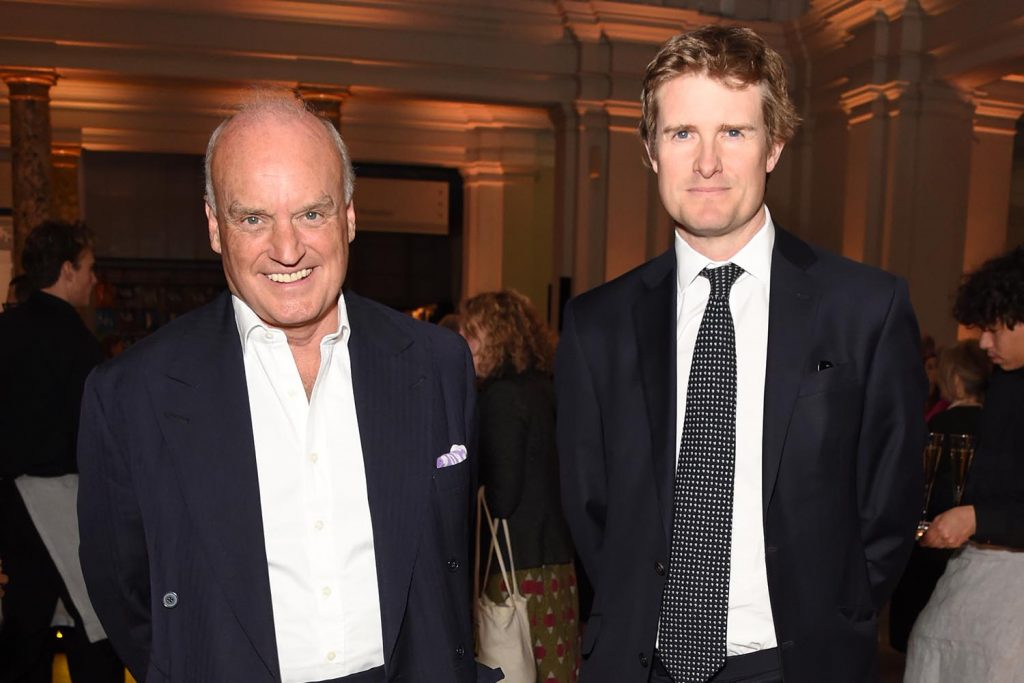
Another week, another blockbuster exhibition for the V&A – and another triumph for Chair Sir Nicholas Coleridge (former leader of Conde Nast publishing group) and Director Tristram Hunt, whom Coleridge appointed in 2017. Divas, celebrating the power and creativity of trailblazing performers including Maria Callas, Barbra Streisand and Sir Elton John opens on 24 June. Coleridge explained: “At the V&A it is all about the balance between blockbusters and more niche shows.” Indeed, the more scholarly “Donatello: Sculpting the Renaissance” (until 11 June) was declared by international art magazine Apollo to be “the most significant [exhibition] of the year anywhere on earth”. Alice Cole, editor of The Art Newspaper said, “Nicholas and Tristram have brought extra sparkle and glamour to the V&A. They’re both very charming, great with donors and offer an eclectic, genuinely multi-cultural mix of exhibitions.” The dynamic duo have also overseen the redevelopment of 40 galleries, and an ambitious multi-site expansion plan – this July the new Young V&A opens in Bethnal Green followed by V&A East in 2025. Coleridge will step down as Chair in October. Big shoes to fill.

Pop’s most mysterious artist
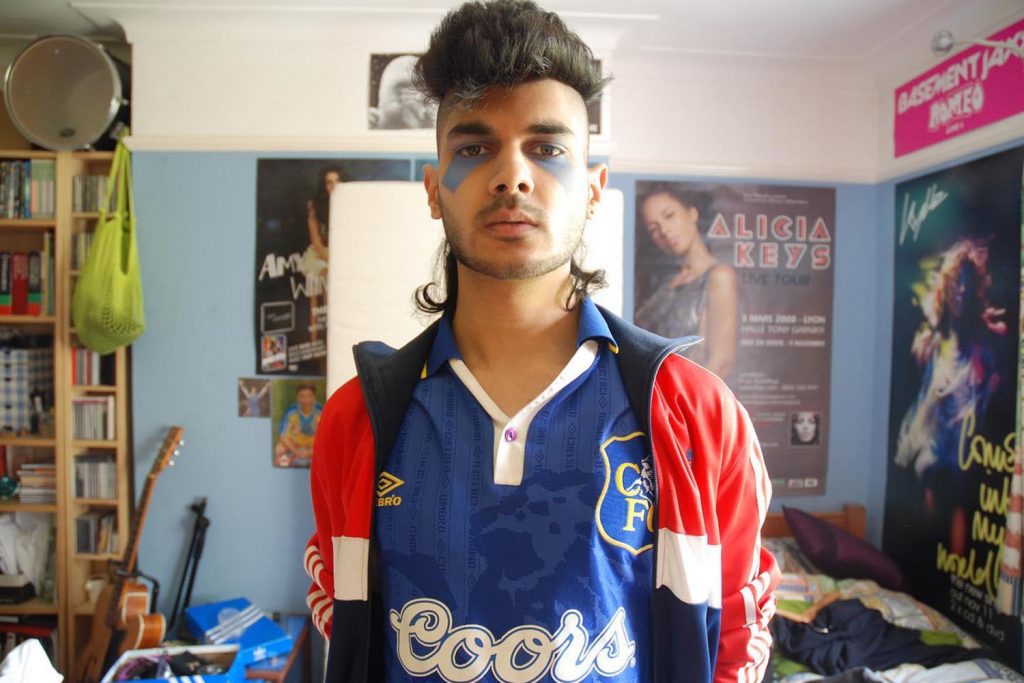
It will take a lot to overshadow Frank Ocean’s first live show in six years. But this weekend a record producer from Rayners Lane, London, might do just that. Jai Paul is an enigma: an artist from the Myspace era who released two demos to critical acclaim, then disappeared off the face of the earth. This happened in 2013, when some of his unfinished tracks leaked online and caused him to have what he described as a “breakdown of sorts”. But now he’s back, performing his first live show at Coachella, one of the biggest festivals in the world. It’s testament to his reverence and reputation that he has the same poster billing as Charli XCX and the Chemical Brothers, even though he’s only ever released a handful of completed songs. But it’s well deserved. His music has been sampled by the likes of Drake and Beyonce, and it has profoundly shaped the sound of electronic pop and R&B today. Now is his moment.


