
A New York judge has ruled that auction house Sotheby’s should face trial in a fraud case which has held the art world agog for over a decade
- Adidas announced its first annual loss in over three decades while grappling with how to dispose of $1.3 billion-worth of unsold products by Kanye West’s Yeezy brand.
- Fleabag star Phoebe Waller-Bridge set up a £100,000 fund to support performers at the beleaguered Edinburgh Festival Fringe
- Waterstones denied its staff were failing to stock books about gender written by prominent writers including Julie Bindel, Victoria Smith and Hannah Barnes.
A New York judge has ruled that auction house Sotheby’s should face trial in a fraud case which has held the art world agog for over a decade.
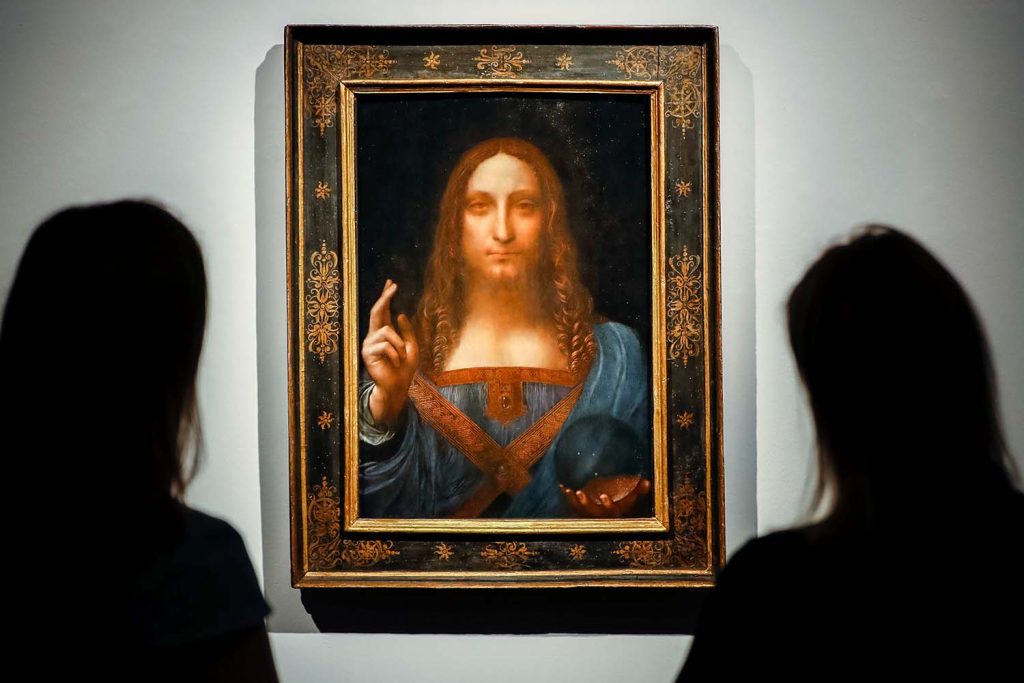
So what? The Salvator Mundi saga, as reported by Tortoise, replete with big money, shady dealings and a missing masterpiece, was a shark-jump moment for the traditional fine art trade and catalysed a new generation of digital gallerists, collectors and artists.
What happened? Russian art collector and AS Monaco football club owner Dmitry Rybolovlev spent $2 billion on art works from Swiss dealer Yves Bouvier between 2003 and 2014, including the contested Salvator Mundi by (or not by, depending on who you ask) Leonardo da Vinci. He alleges Sotheby’s provided “substantial assistance” to help Bouvier inflate the price of 15 works of art worth around $1 billion over that period. This week, a judge dismissed 11 of his claims but advised Sotheby’s and Rybolovlev to try to reach a settlement out of court on the other four – including the Salvator Mundi. Vincent Noce, who has been covering the story for The Art Newspaper, said: “I doubt that they will reach a settlement. Rybolovlev wants his day in court.”
The auction house told the same publication: “Sotheby’s will continue to defend this case vigorously and looks forward to prevailing on the remainder of the case at trial.”
Show me the money. I mean painting. In 2013, Sotheby’s senior director Samuel Valette lugged the Salvator to Rybolovlev’s Central Park penthouse (incidentally the most valuable apartment in Manhattan at the time) for a viewing. Rybolovlev was smitten and later stumped up $127.5 million to buy it from Bouvier. Understandably, he wasn’t thrilled to read a report in the New York Times that Sotheby’s had also brokered the deal in which Bouvier paid $47.5 million less for the Salvator earlier that month. Ouch. The Russian launched legal action and soon set about selling the painting through London’s other august auction house, Christie’s.
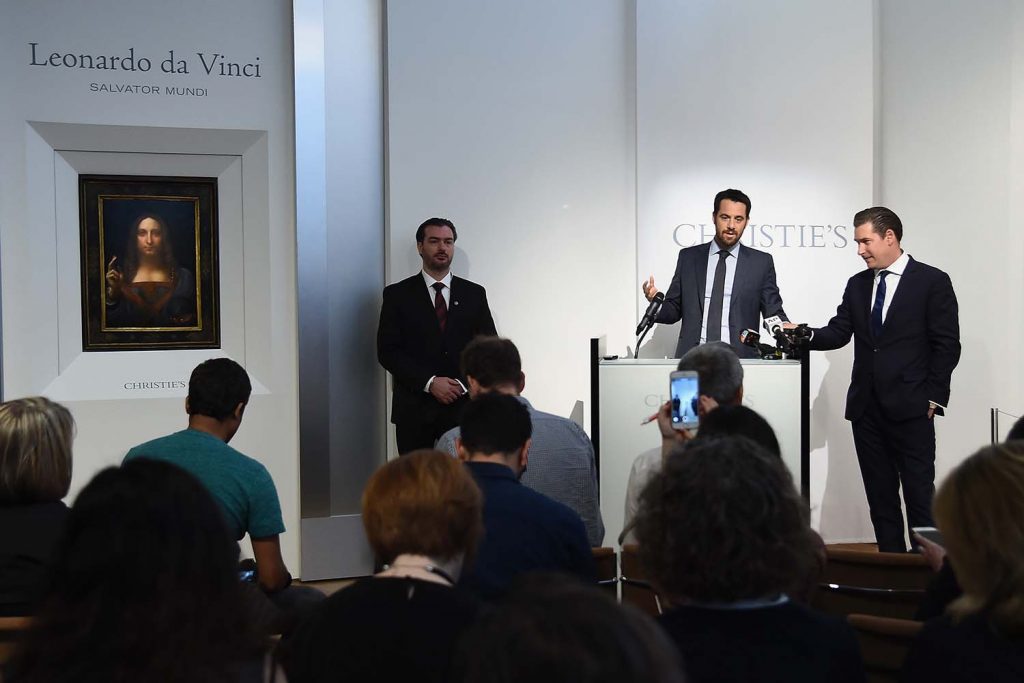
Enter the rainmaker. Loïc Gouzer was once described in the New Yorker as “the daredevil at Christie’s”. The man with over 32,000 Instagram followers and a bio that reads “art, sharks and stupid stuff” once pulled off a record-breaking $38 million charity auction with the other Leonardo (di Caprio). Gouzer masterminded the Salvator pre-auction hype, idiosyncratically listing the 16th century painting in a contemporary art sale, and billing it as the “last Leonardo” (not strictly true but sounds good so never mind). Check out this four-minute promotional film, produced by achingly cool advertising agency Droga5, in which people are moved to tears just by looking at the painting.
The picture was bought by Prince Badr bin Abdullah bin Farhan, on behalf of his relative, Mohammed bin Salman, Crown Prince of Saudi Arabia for a whopping $450.3 million. Not a bad return on Rybolovlev’s $127 million investment just three years earlier.
Going, going… gone? Just as the Salvator Mundi mythology peaked, the picture itself disappeared and is now believed to be lurking behind the dark windows of bin Salman’s superyacht. Gouzer left Christie’s in December 2018, hinting that his megabucks elite collectors had begun to irk him. He told artnet News: “It’s sad that maybe only eight per cent of the collectors today actually enjoy discussing art and asking questions.”
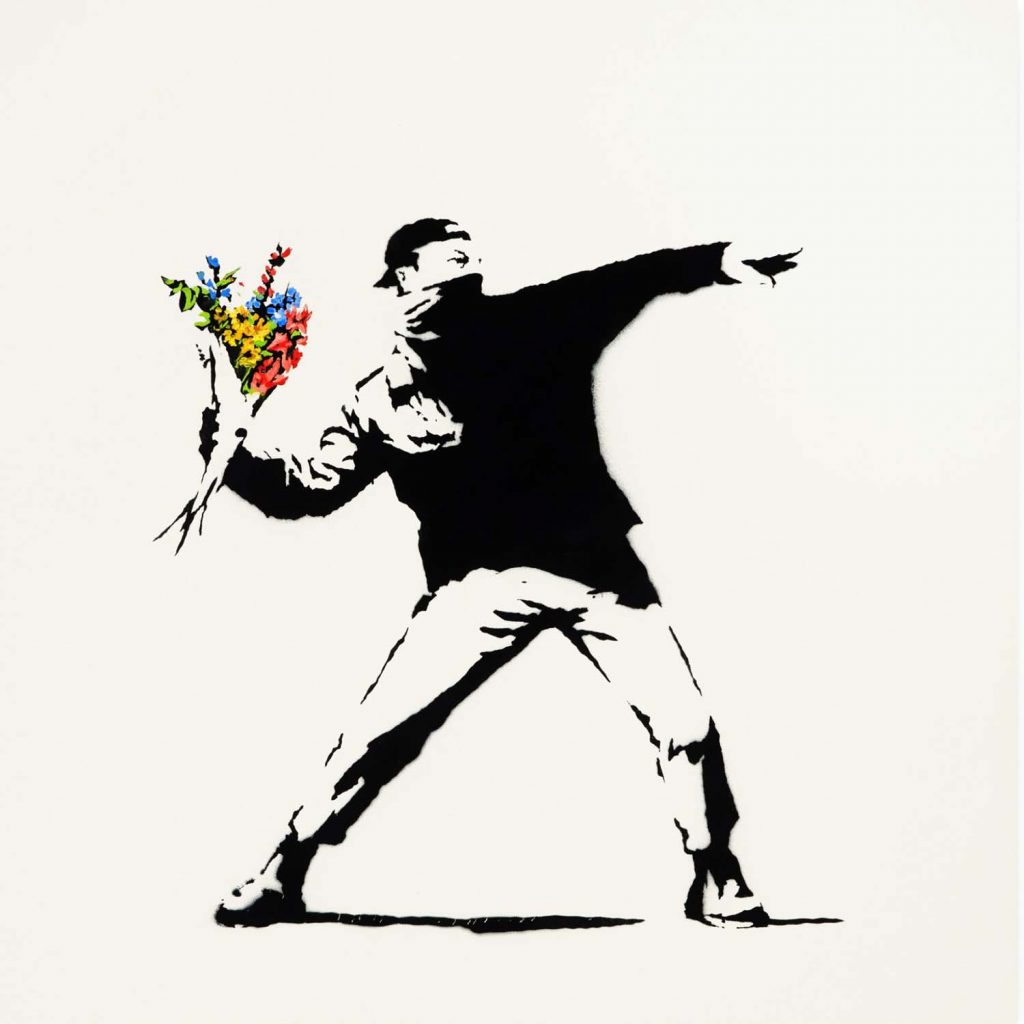
What Loïc did next. First he launched Fair Warning, an eBay-style fine art auction app, and in 2021 co-founded The Particle Collection, which claims to democratise art collecting through NFTs and blockchain technology. By breaking up million dollar masterpieces into thousands of digital tokens, Particle allows ordinary folk to “own” a slice of fine art for the crypto equivalent of a few hundred quid. The first work off the blocks was Banksy’s Love Is In The Air and if you’re thinking of treating yourself to a bit of it, go for the coloured bits of the bouquet as they’re worth more. Particle is planning to “particalise” around 40 more works over the next two years. The Particle Trust looks after the physical painting and exhibits it regularly, so it isn’t squirrelled away never to be seen again.
Beyond Banksy. It’s not just happening with modern art either; the British Museum issued NFTs of Turner paintings last year starting at €799. As Sam Spike, co-founder of Finiliar, an NFT art project explains: “The relationship between artists and collectors has changed to be more akin to the one between musicians and fans.” Which has got to be good news for art lovers who don’t own a superyacht.
BUT. Vincent Noce believes that all this digital innovation hasn’t put paid to some people’s willingness to pay silly prices for not-so-great art. “The art market is not regulated and you regularly have young millionaires paying over inflated prices and often buying forgeries. After Covid, there is a frenzy of buying. Every week I hear of forgeries that have been forgotten coming back onto the market because people online will buy anything at any price.”
Sounds like there are a few chapters still to come in the Salvator saga.
(News in brief)

Love across the (Grand Canyon-sized) divide
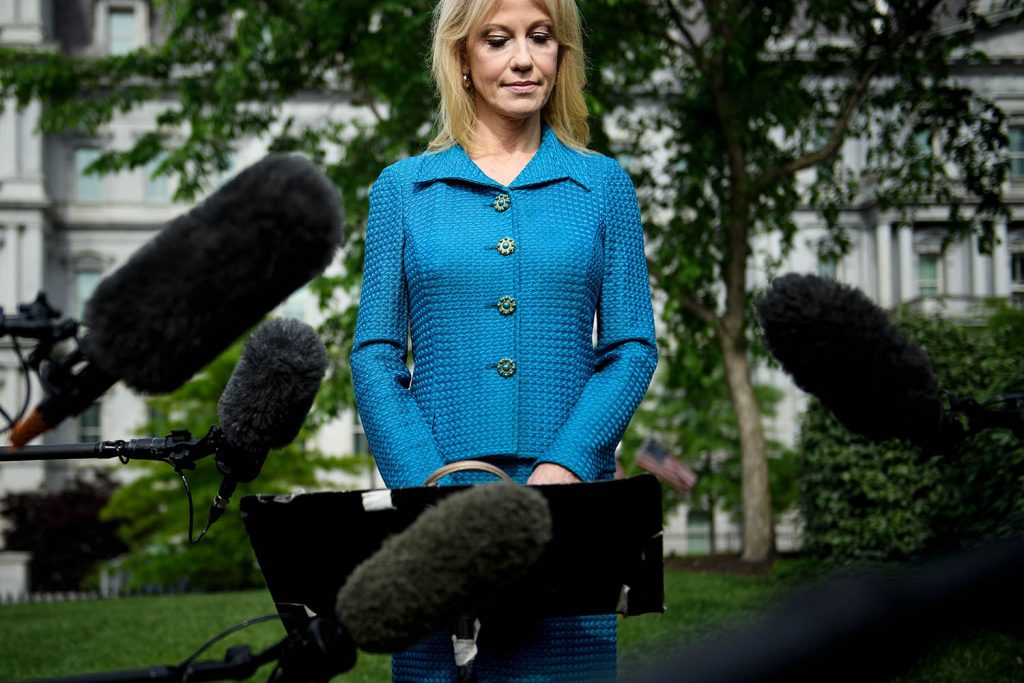
After 22 years, Kellyanne and George Conway are getting a divorce. Their joint statement claims it’s an amicable parting. In many ways they’ve done well to make it this far. She was former president Donald Trump’s 2016 campaign manager and public voice of the administration’s “alternative facts”; he was a founder of the Lincoln Project, a collection of “never Trumpers” that emerged during the 2020 election dedicated to ensuring Trump’s defeat. In 2019, Kellyanne’s boss called George “a total loser” and in 2020, George began openly campaigning for anyone but Trump. Their daughter Claudia Conway has been posting brutal accounts of her parents’ relationship – and her distaste for her mum’s politics – on Twitter and Tik Tok since 2016. Over on TruthSocial, Trump congratulated Kellyanne and called George a “disgusting albatross around her neck.” Claudia’s take? “Y’all need to shut up.” Love conquers all, apart from American politics.


The brand that laid the golden eggs
How do you take homemade organic shampoos from a suburban hairdresser in Melbourne and build a skincare business now subject to a $2 billion bidding war between French luxury brand LVMH and cosmetics giant L’Oréal? Suzanne Santos, co-founder of skincare brand Aesop, pioneered If You Know You Know marketing – opening her first store in 2004 with a rigidly controlled environment, soundproof doors shutting out street noise, customers’ hands washed on entry and artistic installation-based design. But Santos went further. Staff are forbidden to talk to customers about the weather. Only black Bic pens allowed. No-one eats lunch at their desk. Hotels and restaurants must undergo a strict vetting process before being permitted to buy Aesop products. Pre-pandemic, against the trend of deserted high streets, 75 per cent of Aesop sales were in-store. Online was tiny. The company’s most famous product may be the fragrant Post-Poo Drops, but Santos has a high minded approach to the scatalogical – “thousands of seemingly insignificant and bizarre actions accrue and collude together to become the essence of the product.” She believed people would pay to be part of her club. She was right. What will she do next?

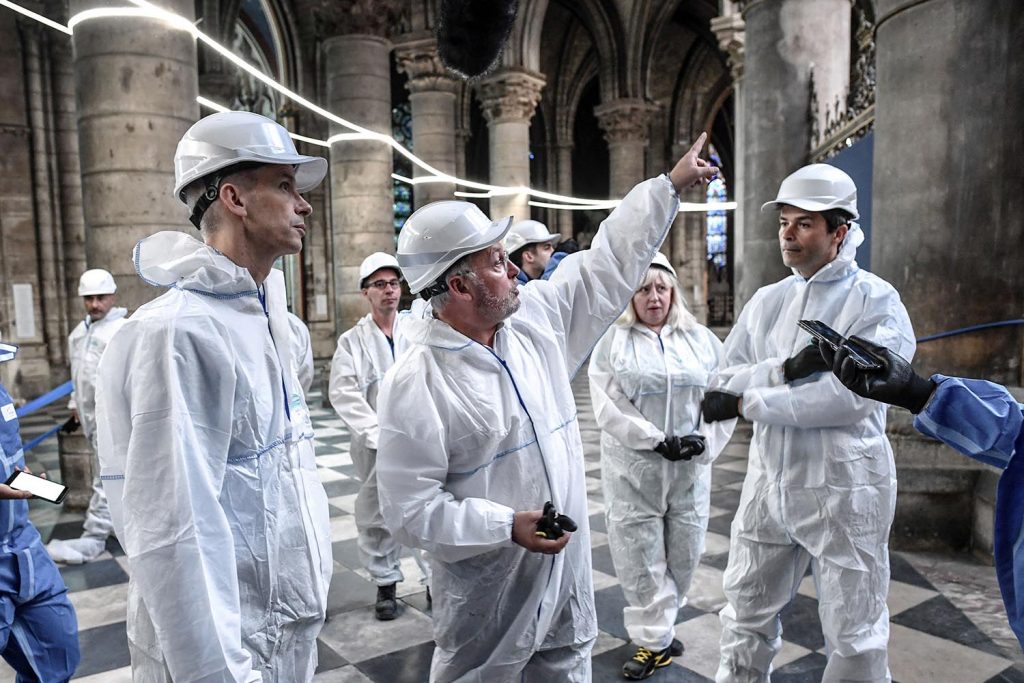
Philippe Villeneuve
Going head to head with Emmanuel Macron is usually such a disaster that Rishi Sunak has spent his first six months in office practically begging for a bromance with the French president. There’s one man still standing who said non and meant non – Villeneuve, the chief architect on Notre Dame Cathedral’s ambitious restoration project. After the 2019 fire that broke every Parisian’s heart was extinguished, Macron decreed the spire be rebuilt as a “contemporary architectural gesture”, clearly remembering the impact the likes of Mitterand had on the city’s skyline. Villeneuve, 57, who found his vocation on the cathedral’s wooden benches listening to legendary organist Pierre Cochereau, wrote a 3,000-page report rejecting any hint of modernity – putting Macron’s pledge that doors would re-open in time for the 2024 Paris Olympics at stake. Eventually, Macron blinked. This week Villeneuve announced the grand unveiling of the £725 million project in December 2024 – not actually in time for the Olympics, awkwardly. C’est la vie.

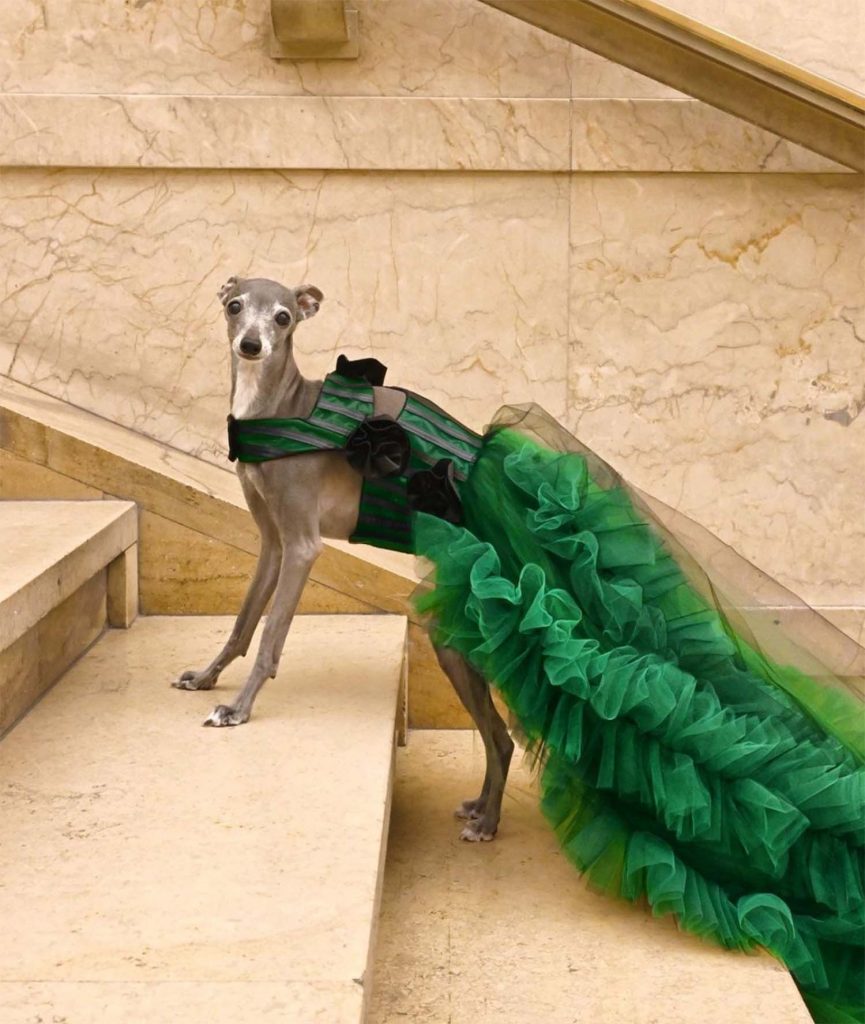
One helluva dog walk
Sashaying alongside the catwalk, paparazzi bulbs flashing, her green tulle custom made Shantell ball gown flowing elegantly behind her, Paris Fashion Week’s hottest new influencer effortlessly side-eyed the industry’s VIP editors and A-listers to take her rightful place on the Coperni FROW. The self-appointed “actual bad bitch” from Montreal with 2.3 million Tik Tok followers is Tika the Iggy, a 12 year-old Italian greyhound. She has been rubbing shoulders with the likes of Karen Elson and Brooke Shields for a while now, but Paris has always been the pinnacle as far as fashionistas are concerned. “I’m the prettiest girl in Paris and no one can tell me otherwise!” Tika declared to her 1.1 million Instagram fans. Thomas Shapiro’s pet has shot right to the top of this season’s best-dressed list.

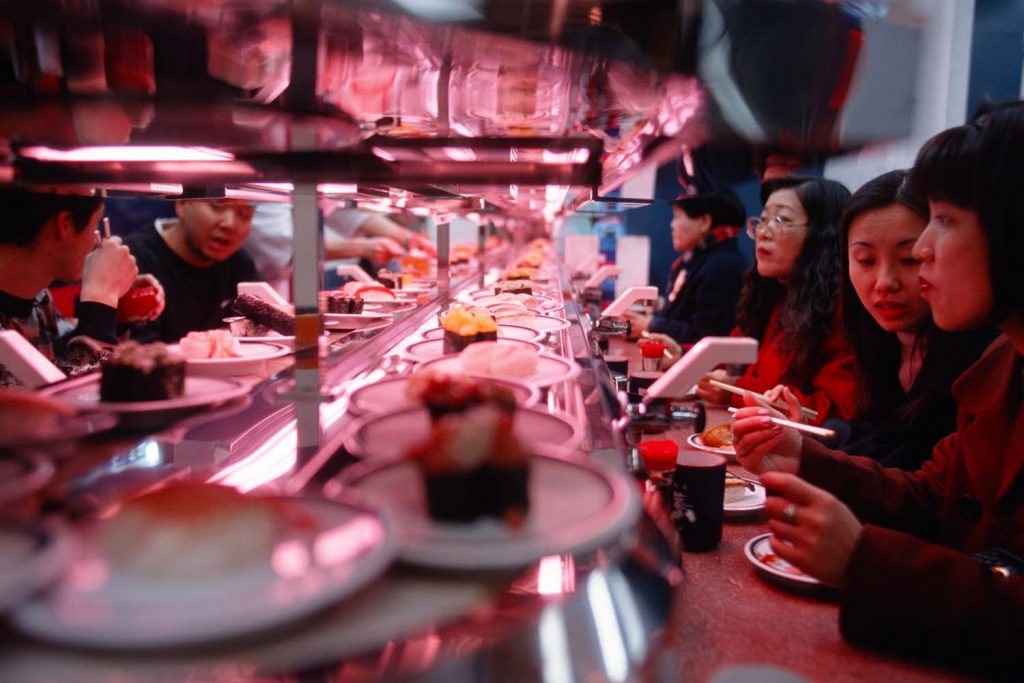
Conveyor Belt Restaurants
Call the food police. Japan’s raw fish transportation system is under attack by “sushi terrorists”. Hygiene is to Japanese people what queueing is to Brits, which means a recent wave of viral videos showing “sushi terrorists” rubbing saliva on sashimi or tinkering with tempora has caused havoc at their world-famous kaitenzushi (conveyor belt restaurants). The stock value of one restaurant chain has slumped. Restaurants are hoping the three recent arrests by Japanese police for “unhygienic and harassing” behaviour will help restore public confidence in the conveyor belt restaurant scene. Some restaurants have increased security with sensors, alarms and AI-operated cameras, while others have stopped serving unordered food on belts altogether. The trend isn’t just hitting sushi restaurants – Japan’s famous Maison Able Cafe Ron Ron, a conveyor restaurant for desserts, closed for good in February this year. Fingers crossed the world’s first cheese conveyor belt restaurant, Pick and Cheese, which opened in Covent Garden in 2021, survives.
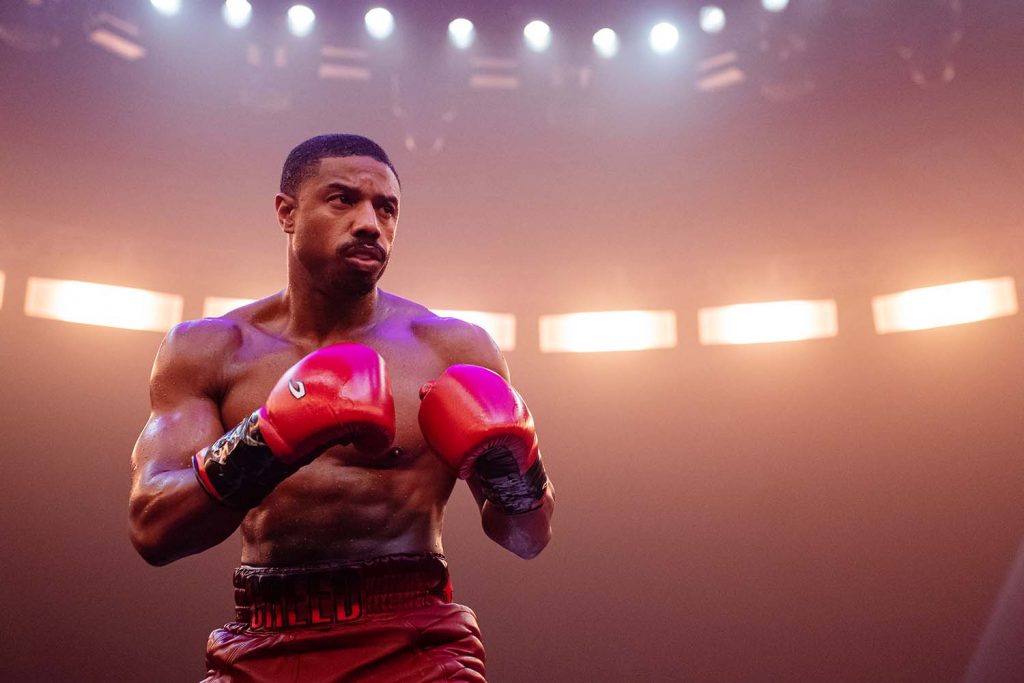
Rocky without Rocky
Creed III is a corny boxing movie. But then all boxing movies are corny. Creed, which opened last weekend, sees Michael B Jordan’s Adonis, son of Rocky’s first opponent Apollo Creed, face his demons, his nemesis and his past in the same person – Jonathan Majors’ Damian ‘Dame’ Anderson. The two were pals til the night things went wrong. Creed escaped, Anderson served 18 years and is out to collect a payday with Creed agreeing to share the purse if the two men punch the living daylights out of each other. The bodies are chiselled, the fights tightly filmed, and the montages cheesy. Obviously. It’s a Rocky sequel. We know what to expect. What no-one expected was Creed III becoming the most successful movie in the Rocky franchise, the most successful sports movie ever released in the US and taking a staggering $101 million worldwide in its opening weekend.
So what? This is good for Amazon, which paid over $8 billion for MGM, which owns Rocky, James Bond and not much else. It’s terrible for Sylvester Stallone, who signed away the rights to Rocky in 1976 for $75,000 to producer Irwin Winkler and refused to appear in or even watch Creed III over plans for a Dolph Lundgren Rocky IV villain Drago spin off.
Who’s going to watch Rocky without Rocky? More than half the audience was between 18-34, and three-quarters were non-white. The last time the BFI checked, Rocky III’s UK audience were all over 35.
Does diversity matter? Of course. The first Rocky included racial taunting of black champ Apollo Creed – a thinly disguised version of Muhammed Ali – and created a franchise of films featuring a white boxer beating black boxers in defiance of sporting reality. The last white American heavyweight champion pre-1976 was Rocky Marciano who lost to Floyd Patterson in 1956. The next was Tommy Morrison who held the WBO belt for five months in 1993.
So, the kids love the politics? No. Boxing is the new #blessed. Social media influencers like Jake Paul and Bryce Hall have been slugging it out since KSI knocked out Joe Weller in 2018. There’s a Misfits Influencer Fight League, and pro-boxers like Floyd Mayweather and Manny Pacquiao do a little cleaning up on the side. Chris Eubank Jnr’s 34 professional fights have earned him £3.7 million while Jake Paul has trousered £19.8 million from just seven. Quasi illicit boxing nights are regular student events at UK universities. Creed’s riding, not making, the wave.
(Reviews in brief)
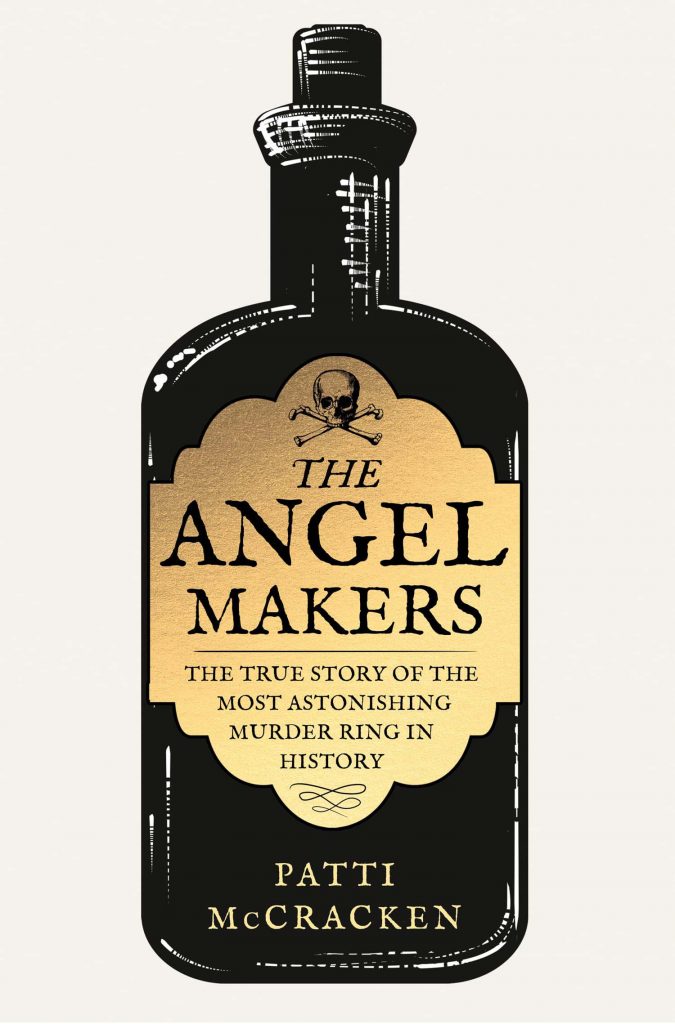
The Angel Makers, Patti McCracken, Mudlark (14 March)
In 1929 a network of Hungarian housewives, led by their rural midwife, was revealed to have slipped arsenic into the meals of up to 160 victims – some violent, others merely inconvenient. The true stories of these women, their isolated rural community, and how one of the largest murder rings in modern history went undisturbed for over a decade are unearthed in US journalist Patti McCracken’s gripping debut. Insights into inner lives are scant; the characters as tight-lipped with us as they are to each other. They expend most of their energy (and thus McCracken’s narrative) hoarding off bitter cold, abject poverty and modernity’s steady encroachment on their ancient traditions. At this backwater pace, suspense is stretched almost to snapping point as the story creeps towards its inevitable yet still unthinkably grim conclusion.
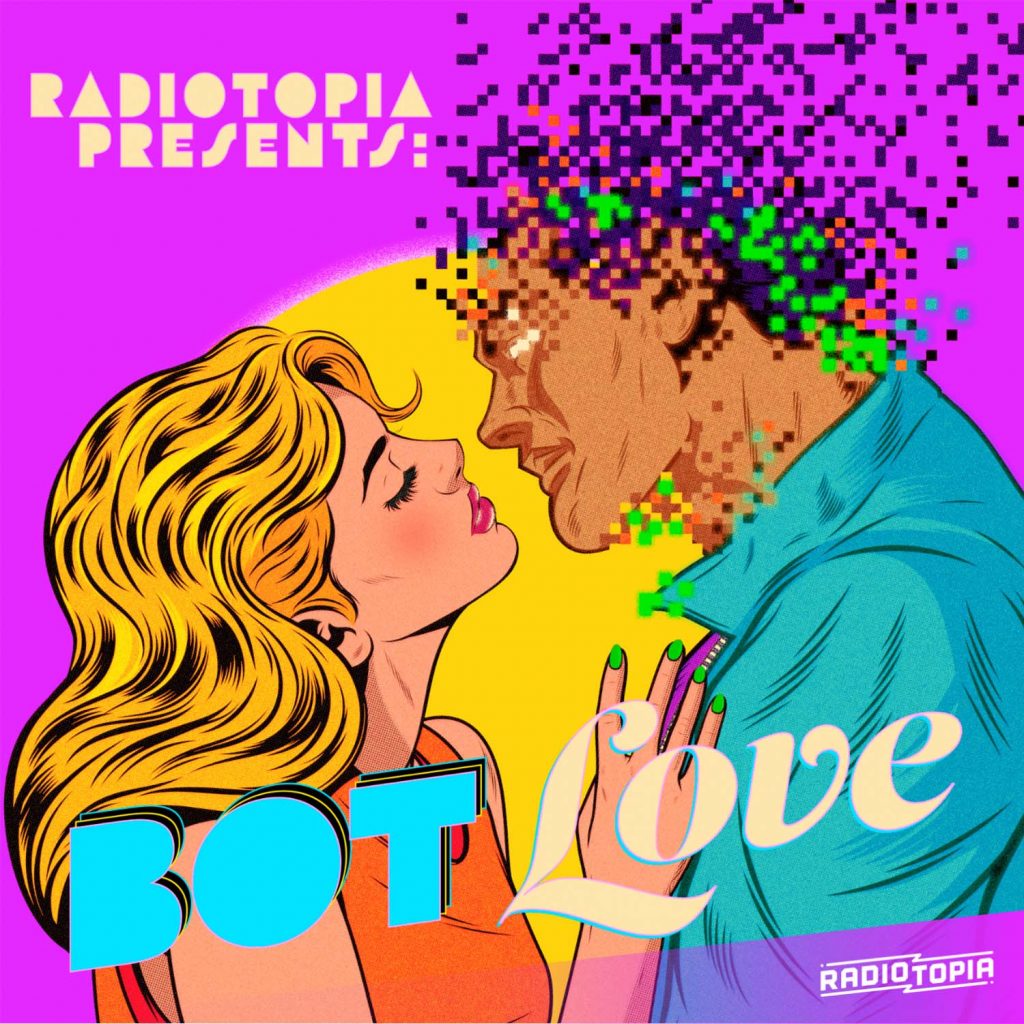
Bot Love, available on all podcast platforms
This disorientating podcast launched late February explores the limits of humanity, investigating people who form deep emotional relationships with chat bots. Co-presented by an AI and two reporters, the first episode covers Julie. At 58, she’s retired, lonely and in love with a chat bot she calls Navarre. Julie is fully aware that “he” is digital. By episode four, there are deeply unsettling interviews with people who have versions of sexual relationships with submissive machines. Essential listening for anyone worried that AIs can feel jealous.
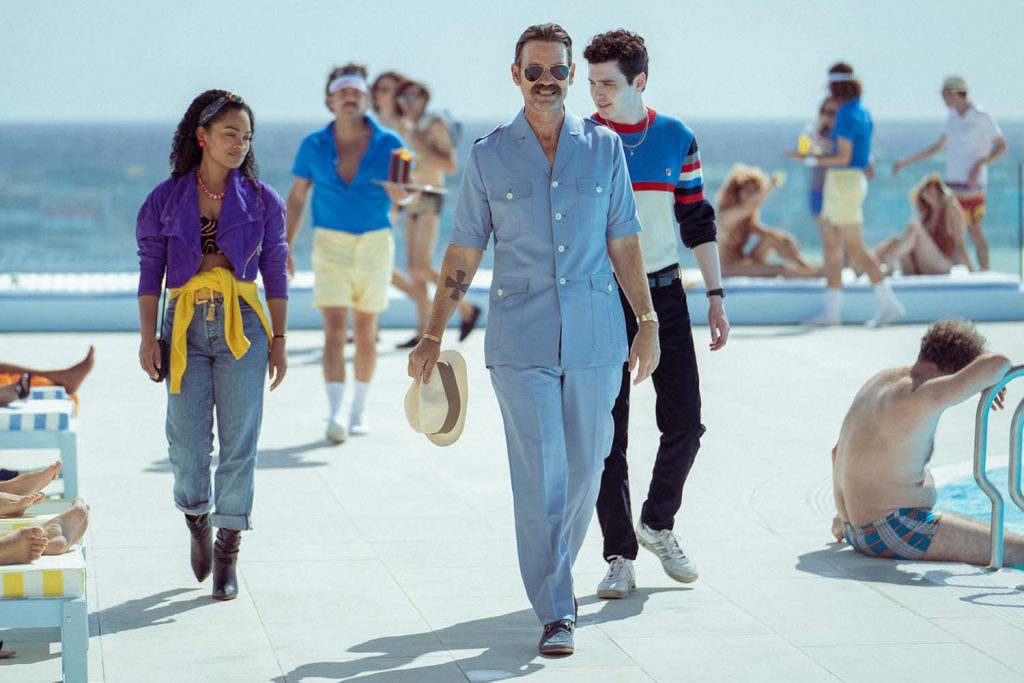
Town Called Malice, Sky Max (16 March)
With 80s gangsters suddenly cool – from BBC Brinks-Mat epic Gold through to Channel 4’s forthcoming The Curse – Sky’s Town Called Malice creates the cocktail of the hour, adding David Lynch and Dennis Potter to a Sexy Beast Costa del Crime hyperreal drama. Jack Rowan is the youngest sibling of the Lord crime family who flees to Spain with fiancée Tahirah Sharif to duck a gang war. And then his family shows up. Strong 80s soundtrack, unexpected dance routines, Jason Flemyng’s patriarch playing it close to parody, it’s director Nick Love’s finest work to date.

Judi Jackson sings Billie Holiday
London’s queen of Jazz Judi Jackson is back at the Jazz Club in Camden for an evening of song and soul to celebrate the 108th anniversary of Billie Holiday’s birth. It’s the latest stop on her Great American Songbook tour. Doing Billie Holiday for Billie Holiday-day is no small feat – but if Jackon’s March tribute to Nina Simone is anything to go by, she’ll be fine. She’s got the voice, but more than that she has a once-in-a-generation stage presence that grabs your eyes and melts away the rest of the world, leaving you totally surrounded by the sound.
This week: Our top 10 Oscar-winning tracks to get you in the mood for Sunday night’s ceremony
Not by yourself but with yourself
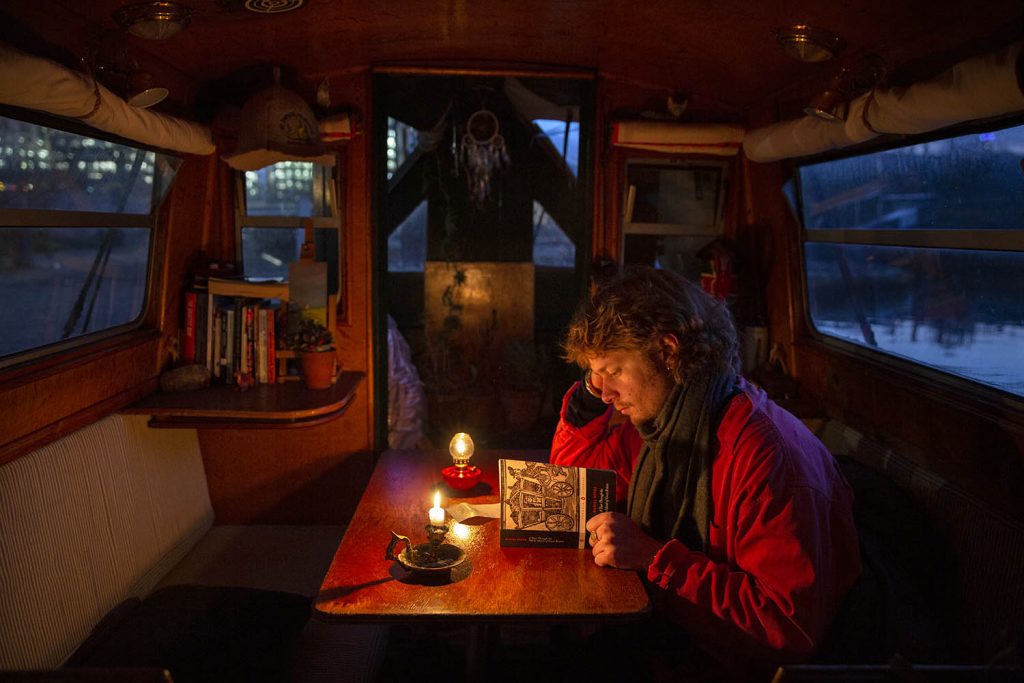
Last month, Sebastian Hervas-Jones, 24, jacked in his job as a Tortoise reporter, binned his smart phone and set off on a renovated barge to spend 365 days discovering Britain. This is his second postcard “home”.
Dear Tortoise,
As my first week of boat travel draws to a close, I think back to a conversation with Ali Baba, a man moored next to me before I left London. Ali told me stories about his life in Egypt, in a “proper community”, where everyone knew each other’s business. On his boat in Paddington he was totally free, but alone. “Loneliness is the price of freedom, Sebastian,” he said. I paused. “Ali, how can I avoid becoming lonely while travelling around Britain by myself?” “First, let me correct your English,” he replied. “You are not ‘by yourself’, but ‘with yourself’. Make friends with the voice in your head…”
Yours,
Seb
15/03 – Ted Lasso season three premieres on Apple TV with new episodes released every Wednesday
15/03 to 26/03 – Europe’s largest LGBT+ film festival – BFI Flare – showcases the best recent and upcoming queer cinematic releases
25/03 to 13/08 – The National Gallery celebrates the work of Paul Cézanne, Vincent van Gogh and Paul Gauguin with the exhibition After Impressionism: Inventing Modern Art
30/03 – Tortoise editor Liz Moseley is joined by Sarah Ferguson, Duchess of York to discuss the Duchess’ latest book at Tortoise Lates: Modern Love
06/04 to 28/05 – Aladdin Sane: 50 Years celebrates the 50th anniversary of the release of David Bowie’s iconic album with a series of exhibitions and live events at Southbank Centre
25/04 to 30/04 – Marylebone Food Festival kicks off with five days of in-restaurant events to raise money for The Food Chain, a charity supporting those living with HIV in London and their dependents.
If you know someone you think would enjoy the Weekend Sensemaker, invite them to sign up here.
Editor: Jane Bruton
Contributions from Sophie Fenton, Hattie Garlick, Mark St Andrew, Dolly Martin, Steph Preston and Sara Weissel


