Sensemaker Daily
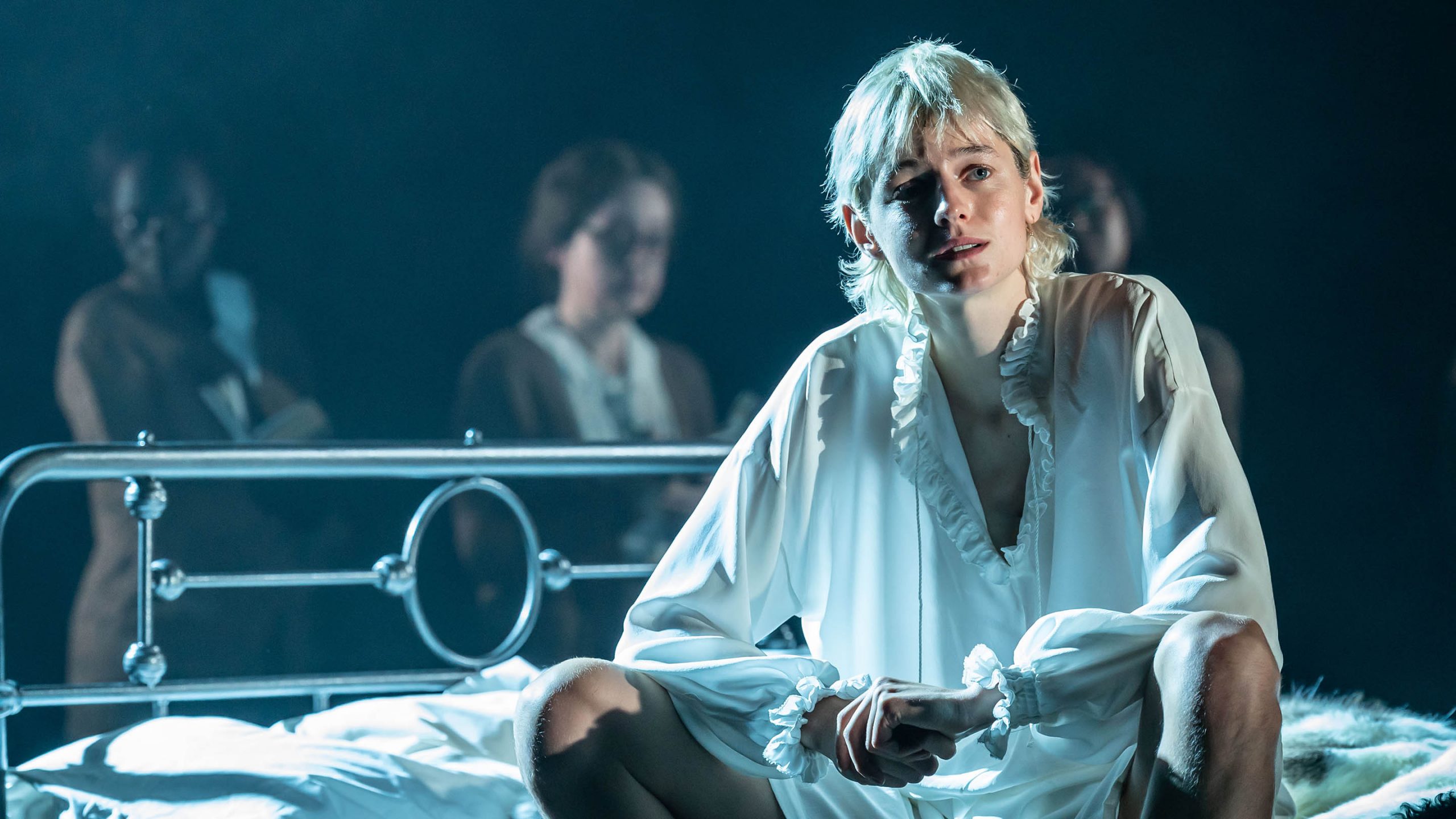
Emma Corrin’s performance as Orlando in Michael Grandage’s production of Virginia Woolf’s great experimental novel brings fresh life to a story that feels more contemporary than ever
“He – for there could be no doubt of his sex…” Has any great novel begun with such mischievous words as Virginia Woolf’s Orlando (1928) – the very fulcrum of which is its principal character’s transformation mid-plot from man to woman?
Born into the English nobility in the late 16th Century, the young Orlando is soon called into service by Elizabeth I: “And the Queen, who knew a man when she saw one, though not, it is said, in the usual way, plotted for him a splendid ambitious career… He was to be the son of her old age; the limb of her infirmity; the oak tree on which she leant her degradation.”
Yet, years later, as Charles II’s ambassador to Constantinople, Orlando falls into a trance, “sunk in profound slumber amid bed clothes that were much tumbled.” Days pass, during which he is assumed by invading rioters to be dead. But finally, he awakens: “He stretched himself. He rose. He stood upright in complete nakedness before us, and while the trumpets pealed Truth! Truth! Truth! we have no choice left but confess – he was a woman.”
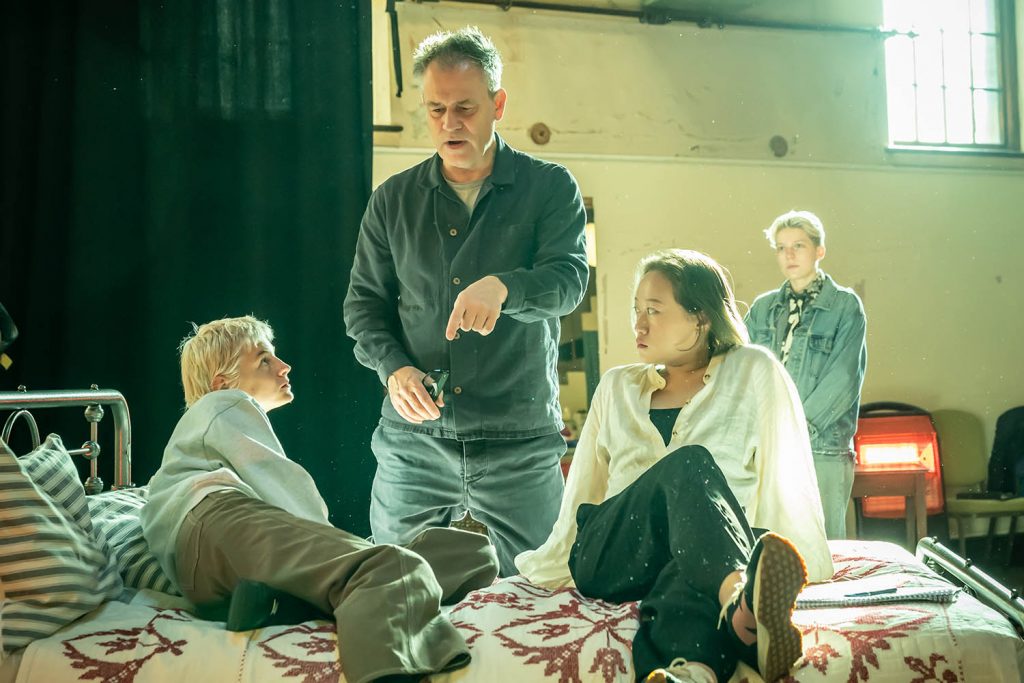
Now, almost a century after its publication, Orlando returns once more in a beguiling and powerful new stage adaptation, directed by Michael Grandage and starring Golden Globe-winner Emma Corrin (Garrick Theatre, booking until 25 February).
The novel – or “biography” as Woolf styled it – has been brilliantly reconfigured by Neil Bartlett as an exchange between Orlando and a Greek chorus of nine Virginia Woolfs (who also play other characters). The staging is sparse, its main feature being a costume-rack that enables Corrin to carry out quick changes as the action and the passage of time require. Their performance – puckish, earnest and disarmingly vulnerable by turns – is already being rewarded with standing ovations.
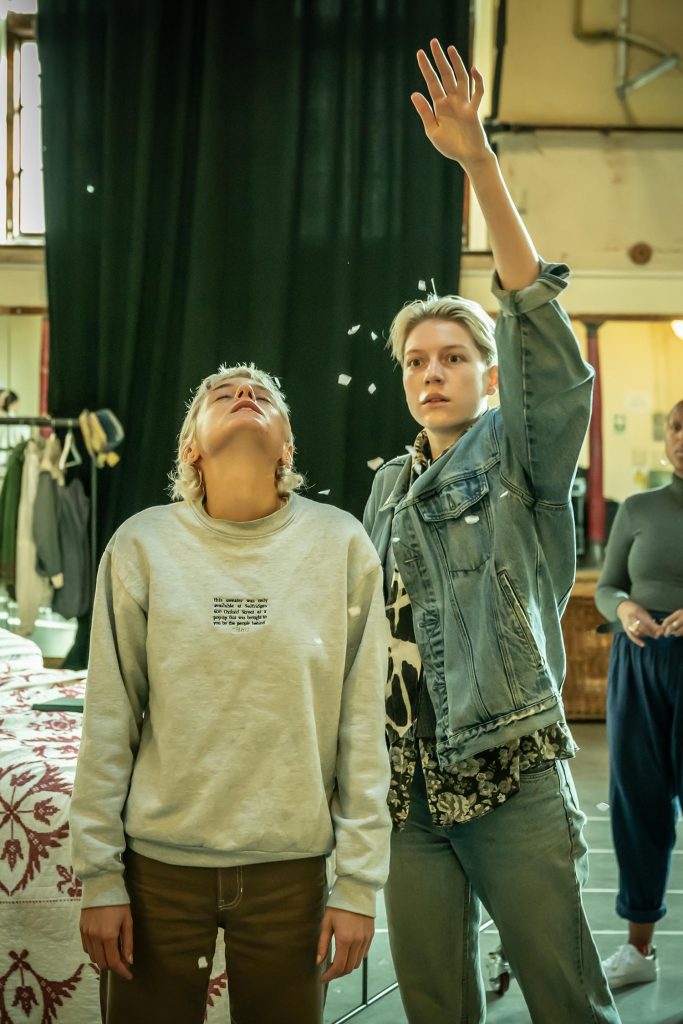
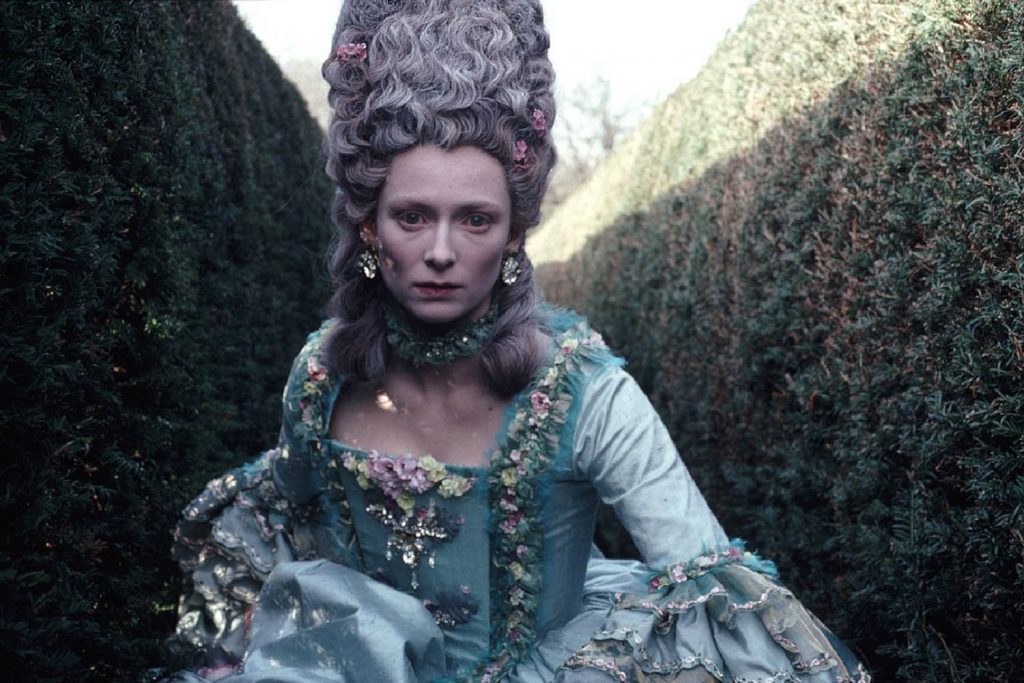
Just as Orlando lives for more than three hundred years without perceptibly aging, so the book itself has, through the decades, inspired a series of reimaginings and reinterpretations. Sally Potter’s stunning 1992 movie stars Tilda Swinton at her very best (and Quentin Crisp as Queen Elizabeth); an operatic version by composer Peter Aderhold and librettist Sharon L. Joyce made its premiere at the Braunschweig State Theater in April 2016; Orlando is a lead character, a sex-changing immortal, in the graphic novel series The League of Extraordinary Gentlemen by Alan Moore and Kevin O’Neill; and the novel was even chosen as the theme of the 2020 Met Gala (sadly cancelled as a result of the pandemic).
So great, indeed, is Orlando’s mythic influence that its profoundly personal and particular origins are easily lost in the giddy haze of deconstruction, analysis and speculation. Nigel Nicolson, son of Harold Nicolson and Vita Sackville-West famously described it as “the longest and most charming love letter in literature” – and there is much truth in this characterisation.
Dedicated to Vita, Orlando would certainly never have been written were it not for her affair with Virginia, and the novelist’s abiding passion. As she wrote to Vita: “it’s about you and the lust of your flesh and the lure of your mind… Also, I admit, I should like to untwine and twist again some very odd incongruous strands in you.”
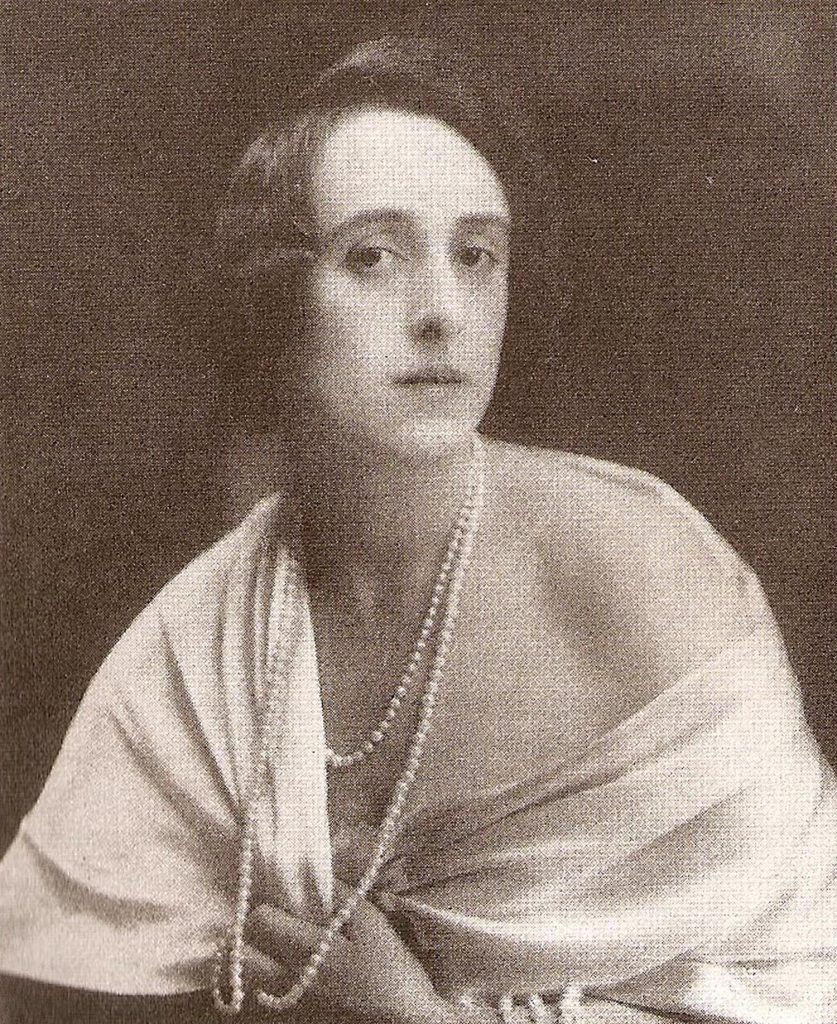
Admitting that she was both “thrilled and terrified”, Vita collaborated in the illustration of the original edition, which depicts her in historical dress and draws heavily upon her family’s past and ancestral home, Knole, in Kent. Vita was heartbroken not to be able to inherit the estate and her experience is transferred to Orlando, who, returning to England as a woman, has her home (clearly based upon Knole) and assets abruptly put into Chancery.
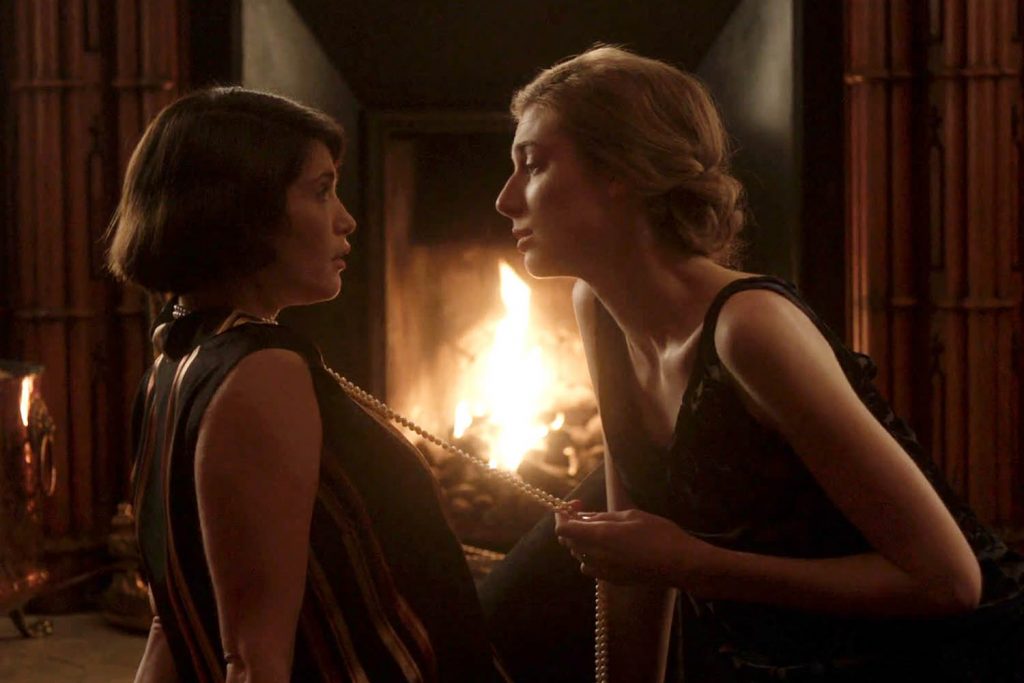
Aside from its vertiginous artistic ambitions, the novel was also an emotional coping mechanism for Woolf. As her biographer, Hermione Lee puts it: “just at the point when Vita was turning her interest elsewhere [to Mary Campbell], Virginia recovered her for her fiction. From the end of 1927, she took control of the relationship in a new form.” (For more on this, try Sarah Gristwood, Vita & Virginia: The lives and love of Virginia Woolf and Vita Sackville-West; Love Letters: Virginia Woolf and Vita Sackville-West; and Chanya Button’s melodramatic but watchable 2018 movie, Vita & Virginia.)
The joyful audacity of Orlando’s sex change is a tonic at a time when the debate on transgenderism has become so fraught and so weaponised on social media. “What I would love this piece to do,” Grandage says, “is try and help that debate.” Corrin, who is non-binary, cannot recall a time when they were not aware of the story and of Potter’s film in particular: “the sensation that it was, aesthetically and in terms of Tilda’s performance, but also through the conversations it started about the fluidity of gender at a time when it wasn’t really on people’s radar.”
The apparent ease and undoubted panache with which Woolf addressed what she called “androgyny” remains spectacular. As Jeanette Winterson remarks in her introduction to the Folio Society edition of the novel – reproduced in the play’s programme notes – it is hard to exaggerate its transgressive spirit: “I am still not sure how [she] got away with all this, but she did”.
Women over 20 were only granted the vote in the year of the novel’s publication. And yet Woolf – already a prominent writer and luminary of the Bloomsbury Group – was far ahead, playing fast and loose with the mutability of sex and identity. Orlando, she wrote, “had a great variety of selves to call upon, far more than we have been able to find room for, since a biography is considered complete if it merely accounts for six or seven selves, whereas a person may well have as many thousand.”
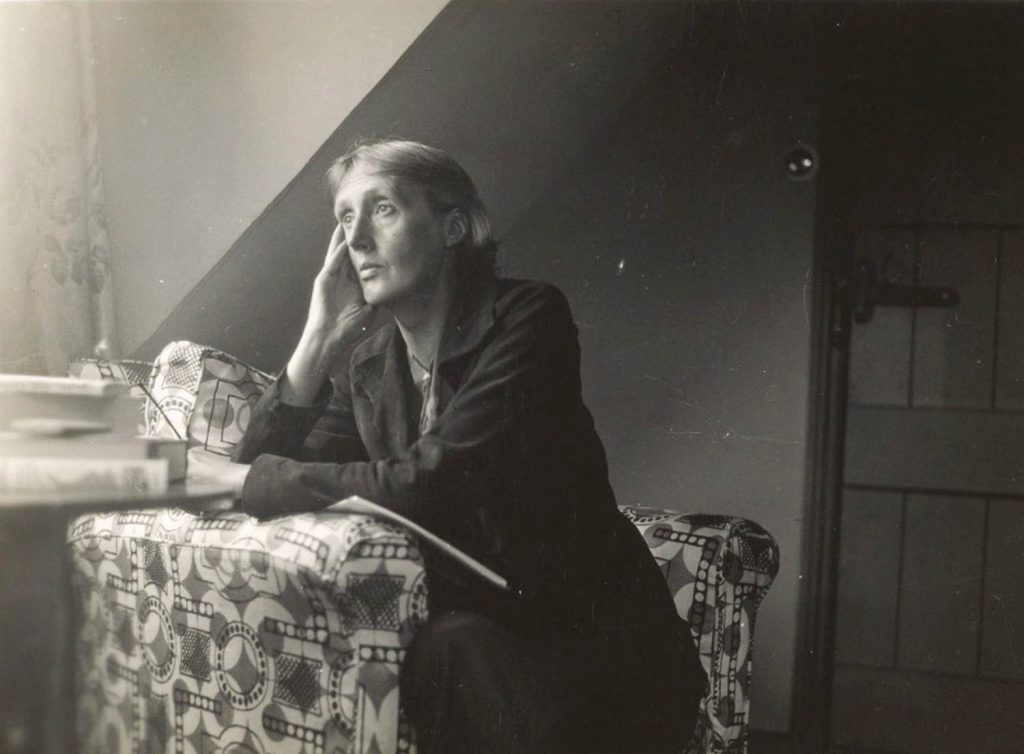
In her approach to time itself, she was no less radical – anticipating by many decades the debt of late 20th-century novelists like Martin Amis and Ian McEwan to the so-called “New Physics”. An hour, she wrote, “once it lodges in the queer element of the human spirit, may be stretched to fifty or a hundred times its clock length; on the other hand, an hour may be accurately represented on the time-piece of the mind by one second. This extraordinary discrepancy between time on the clock and time in the mind is less known than it should be and deserves fuller investigation.”
This revolutionary approach to temporality in fiction has often been attributed to the influence of the French philosopher Henri Bergson (1859-1941) whose Time and Free Will (1889) reframed the passing of time in relation to consciousness, subjectivity and “inner duration.”
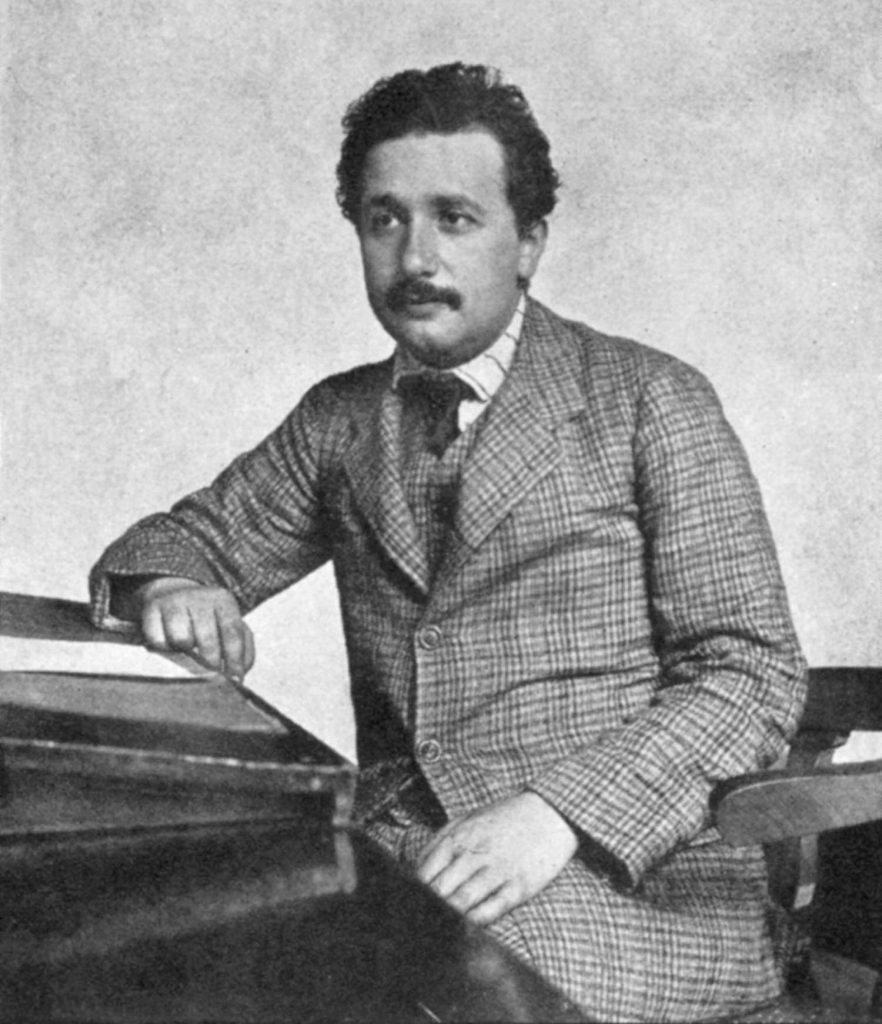
Yet Virginia’s husband, Leonard, was emphatic that she “did not read a word of Bergson”. In contrast, she was certainly aware of Einstein’s Special and General Theories of Relativity (1905 and 1915), and wrote that if the scientist was correct, “we shall be able to foretell our own lives.”
Though this was not precisely what Einstein was proposing, her excitement at his overhaul of Newton’s universe and its potential for writers of fiction is palpable. Were she writing Orlando in 2022, she would surely be exploring the possibilities of quantum mechanics – the notion that something can be two things at once – and the transhumanist potential of AI to mimic and perhaps (as some claim) to upload human personality.
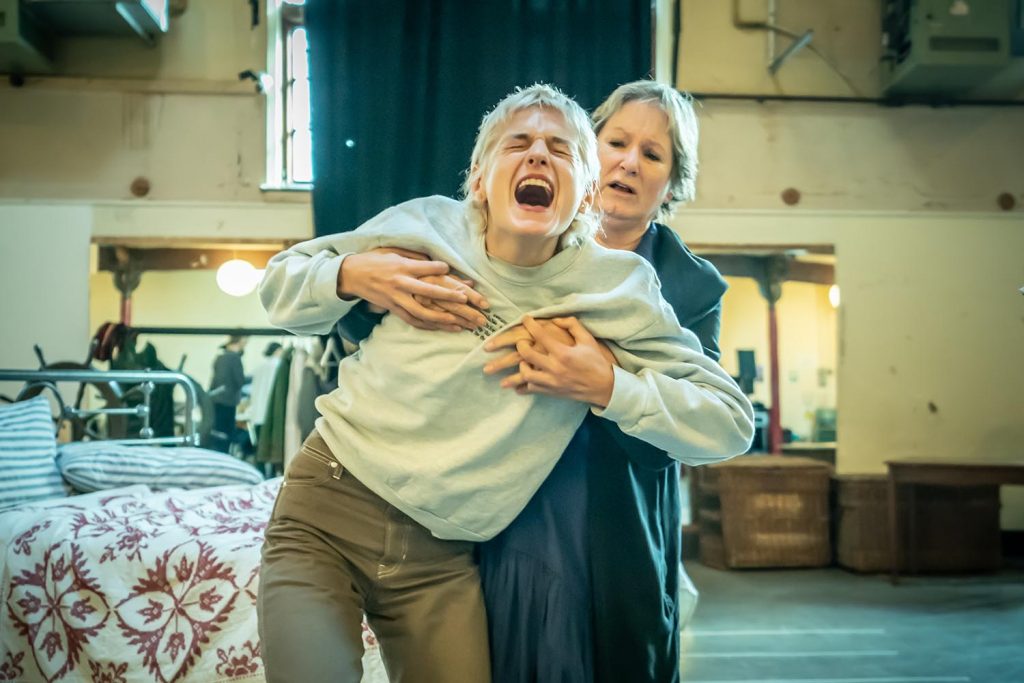
Corrin’s return to the London stage after their triumphant debut in Joseph Charlton’s Anna X last year (see Creative Sensemaker, 16 December 2021) is cause enough for celebration.
Even better is their decision to inhabit the role of Orlando – a superhero of soul and self, who returns repeatedly to electrify contemporary culture with Woolf’s spirit of radical possibility. Not, in this case, a moment too soon.


