Sensemaker Daily
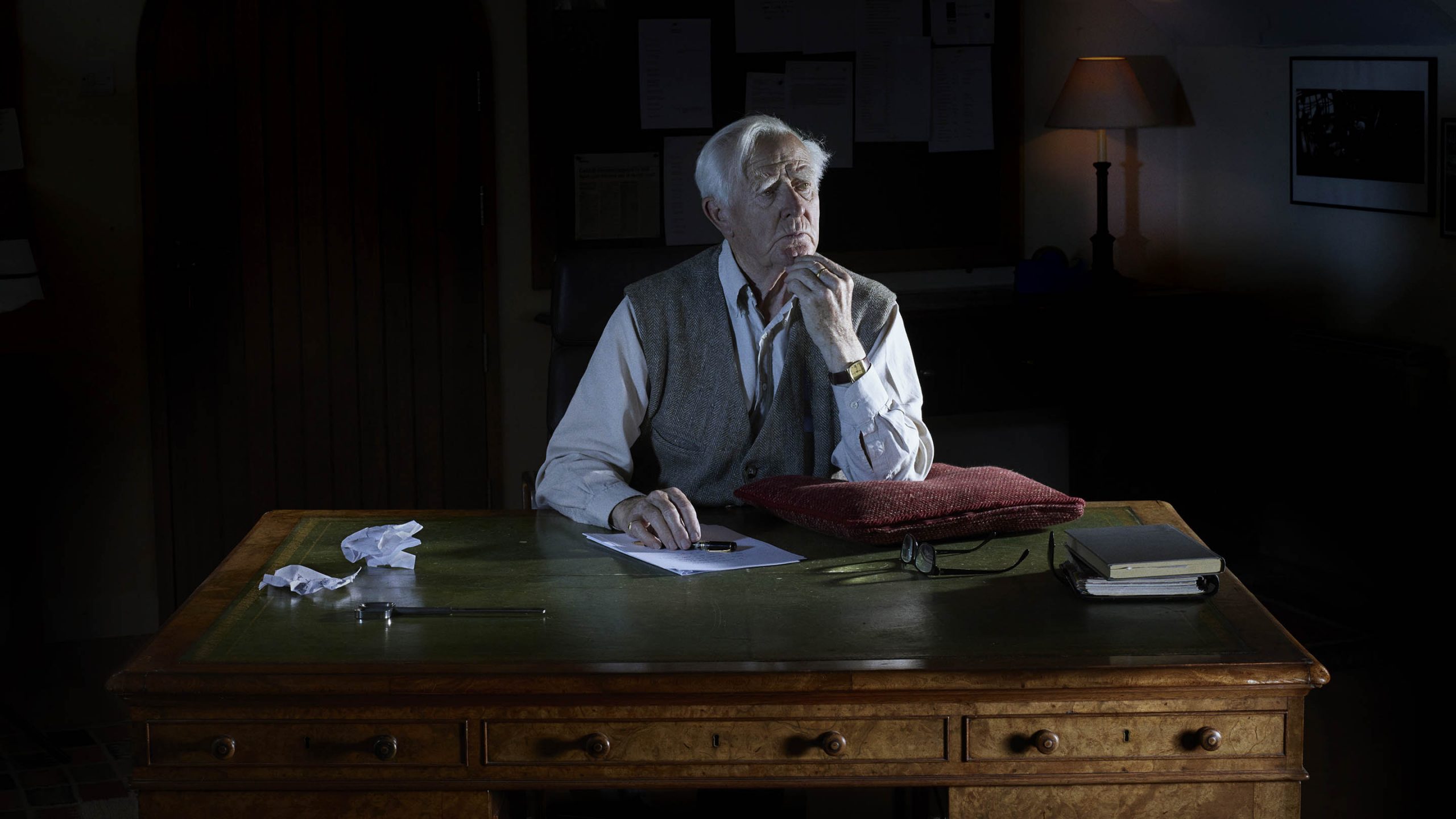
John le Carré’s collected letters offer a riveting insight into one of the great authors of the postwar era – and reveal, tantalisingly, that there are more tales of George Smiley to come
“To be a spy, you need first to know what you think about the world, whom you would like to help, whom to frustrate. This, I am afraid, takes time. Also, you have to decide how much you are prepared to do by dishonest means.”
These words of advice were written in January 1988 by David Cornwell, AKA John le Carré, to ten-year-old Nicholas Hargreaves who had sent him a letter seeking espionage tips. The author guessed that “you want excitement and a great cause”, but urged his young correspondent to serve such a purpose in daylight, away from the moral compromises of the shadows: “You will be more than a spy then. You will be a good, happy man.”
What sort of man was le Carré? His own episodic memoir The Pigeon Tunnel: Stories from My Life (2016) and Adam Sisman’s comprehensive biography (2015) tell us a great deal. But the publication of A Private Spy: The Letters of John le Carré (Viking), edited by his late son Tim Cornwell, is a colossal addition to our knowledge of the writer whom Ian McEwan has said “will be remembered as perhaps the most significant novelist of the second half of the twentieth century in Britain.”
Weighing in at more than 700 pages, the collection begins with a letter written on 24 June 1945, to his prospective housemaster at Sherborne from his Berkshire prep school, and ends on 25 November 2020 (less than three weeks before his death from pneumonia), as he writes to his American journalist friend, David Greenway, denouncing Donald Trump and Boris Johnson, “part of the destroyer’s movement, a Trumpist through & through.”
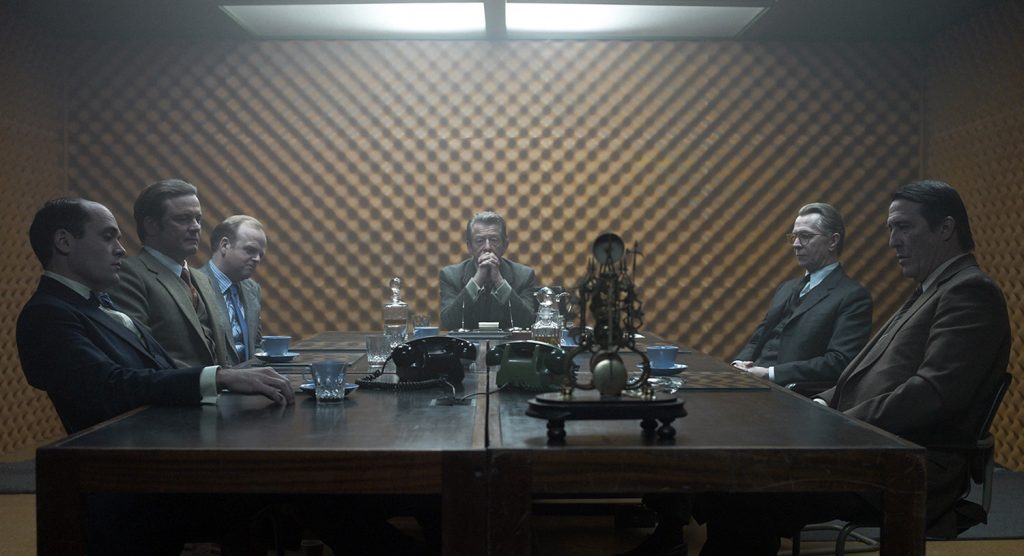
In between, le Carré discloses much about himself – but also owns up to a lifelong, reflexive habit of concealment. In common with Bill Haydon, the “mole” embedded by the Soviet spymaster, Karla, at the top of Circus (le Carré’s name for MI6) and unmasked by George Smiley in Tinker Tailor Soldier Spy (1974), he perhaps resembled “one of those wooden Russian dolls that open up, revealing one person inside the other, and another inside him” – reserving “the last little doll”, one imagines, only for a handful of people (and perhaps none at all).
He was, by his own admission, a flawed husband – twice married, first to Ann Sharp, the daughter of an air vice-marshal, and then, for half a century, to Jane Eustace, a publicist and foreign rights manager at Hodder & Stoughton – and a serial adulterer. Letters to two of his lovers – Susan Kennaway and Susan D. Anderson – are included, but Tim Cornwell explains in his introduction that his father destroyed a considerable cache of private correspondence. In life, le Carré was carefully curating what posterity would get to see, and which of the files in the private embassy of his heart would be burned before his death.
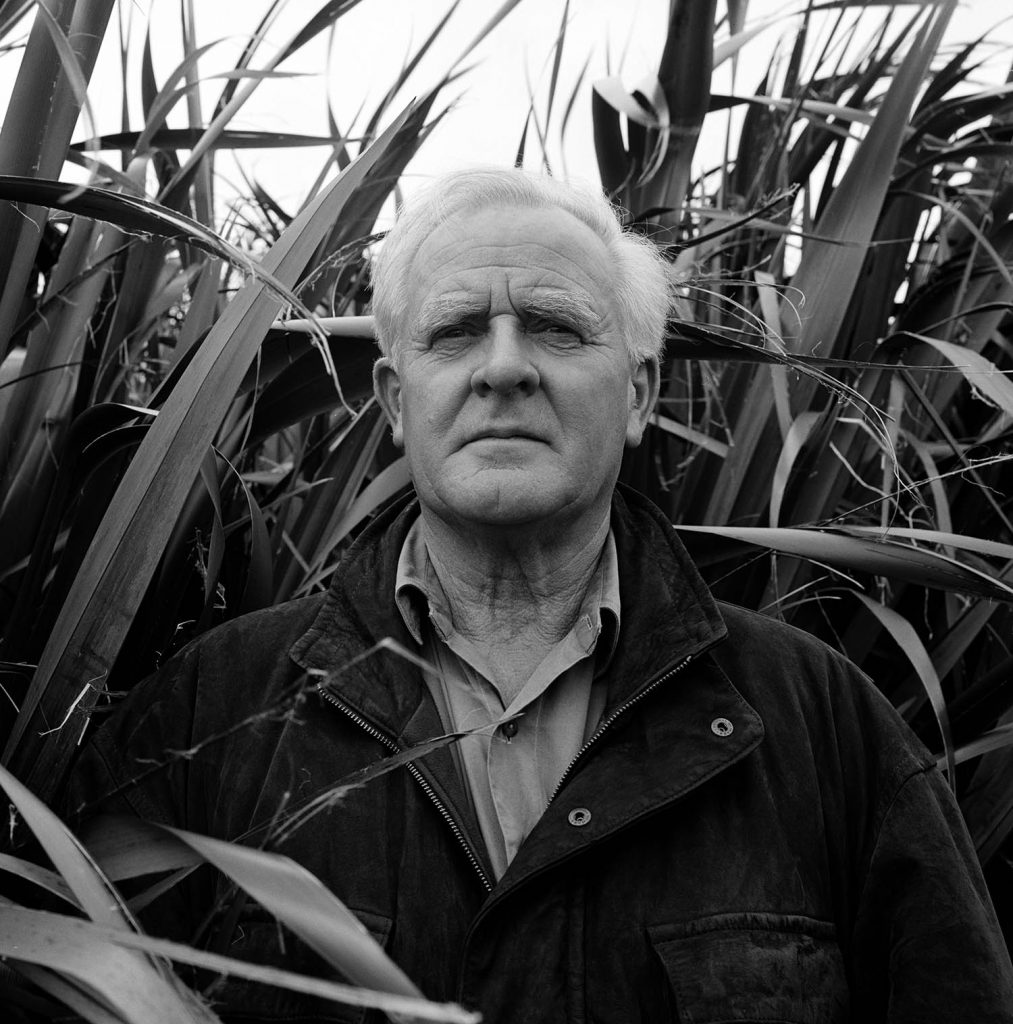
Yet this caution was trumped by a writer’s impulse towards disclosure, which makes the collection a richly rewarding experience for the reader. His shyness was evidently deep-rooted and complicated his relationship with what he calls “the vapour of celebrity.” He corresponded with Graham Greene, Tom Stoppard, Philip Roth, Alec Guinness, Gary Oldman, Sydney Pollack, John Cheever and many other luminaries of his time. But, as he admitted to his friend and former publisher, Roland Philipps, in a letter of 16 February 2017, he passed up opportunities to meet Noël Coward, P.G. Wodehouse (his greatest literary hero, of whose books he kept two sets at his house in Cornwall), Arthur Koestler, and Ryszard Kapuściński: “possibly… I was so suspicious of fame that I took it out on other people.”
His own fame, albeit pseudonymous, was sealed by The Spy Who Came In From the Cold (1963), the book that he confidently predicted to his stepmother, Jean Cornwell, would be his “last thriller”. In practice, it ended the intelligence career that had embraced spying upon communist students at Oxford, the Intelligence Corps, agent-running at MI5 and undercover work for MI6 as a diplomat in Germany.
Yet, for all his public protestations to the contrary, he never really left the secret world. In May 2019, more than 55 years since resigning from SIS, he wrote to the author, diplomat and intelligence expert Alan Judd that “I miss the Office, always have done.”
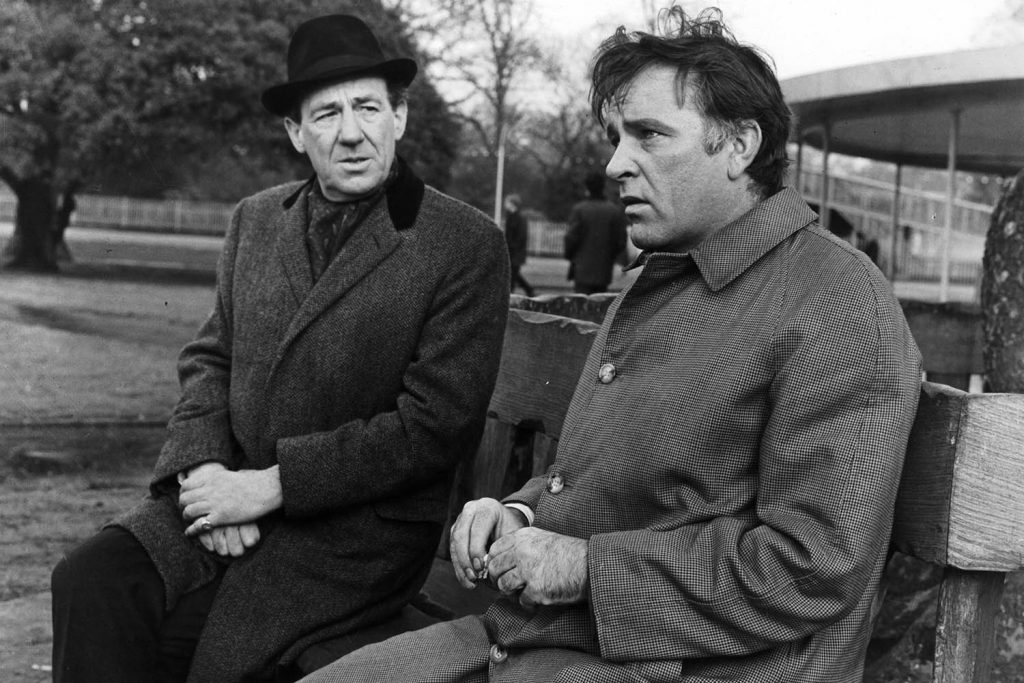
The psychology that underpinned this was complex. Some of the most moving letters included in the collection are those to his older brother, Tony, who clearly dealt as stoically as he could with being the overshadowed sibling of a world-famous author. In May 2007, he tried to explain that his work for MI5 and MI6 had not, as Tony imagined, reflected a conventional desire for Establishment power: “It’s a much mistaken fantasy of yours that I ‘conformed’… The bodies I worked for were so way out in so many ways that they were a kind of nirvana of anti-orthodoxy put to orthodox ends. We were rebels in suits, and much of it – though probably useless – was positively anarchic in its creative thinking.”
To Robert McCrum in July 2016, he put it differently, comparing the world of the Circus to the fictional milieu portrayed by Wodehouse: “The Spy stuff that I invented was also a paradise, if a pitch black one, and I find myself in age returning to it, or sticking with it, in blithe despair, as it all returns to me.”
No doubt archly, he described his Cornish home, Tregiffian, as a “safe house” for friends to use as a bolthole from the cares of the world – and, as the letters make clear, he and Jane were clearly very generous with their hospitality. But the references to tradecraft were not only meant to be witty, I think.
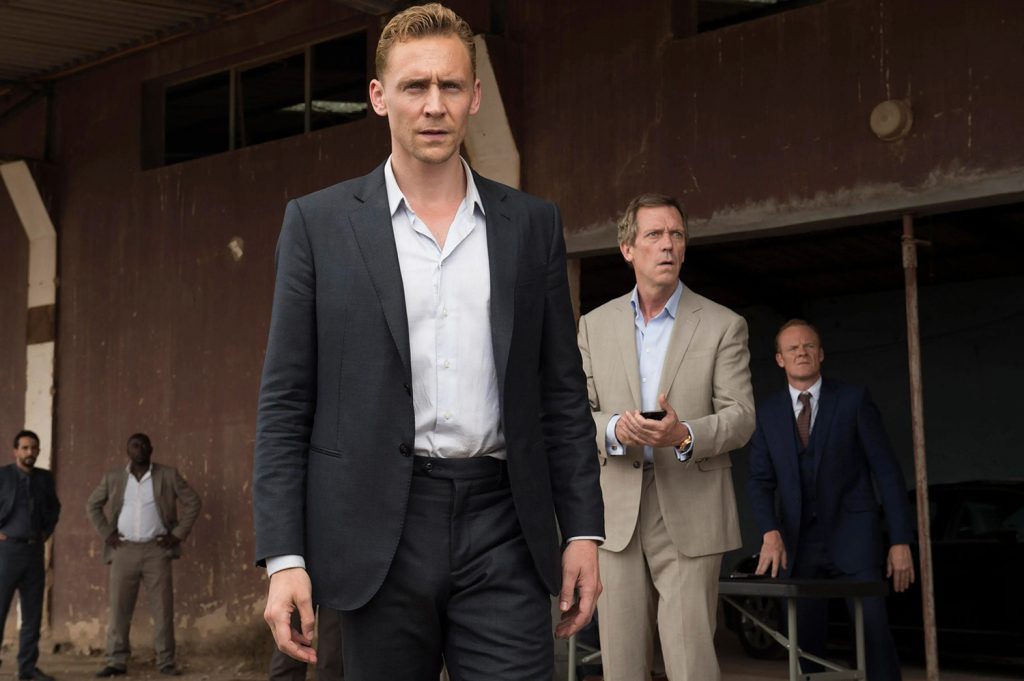
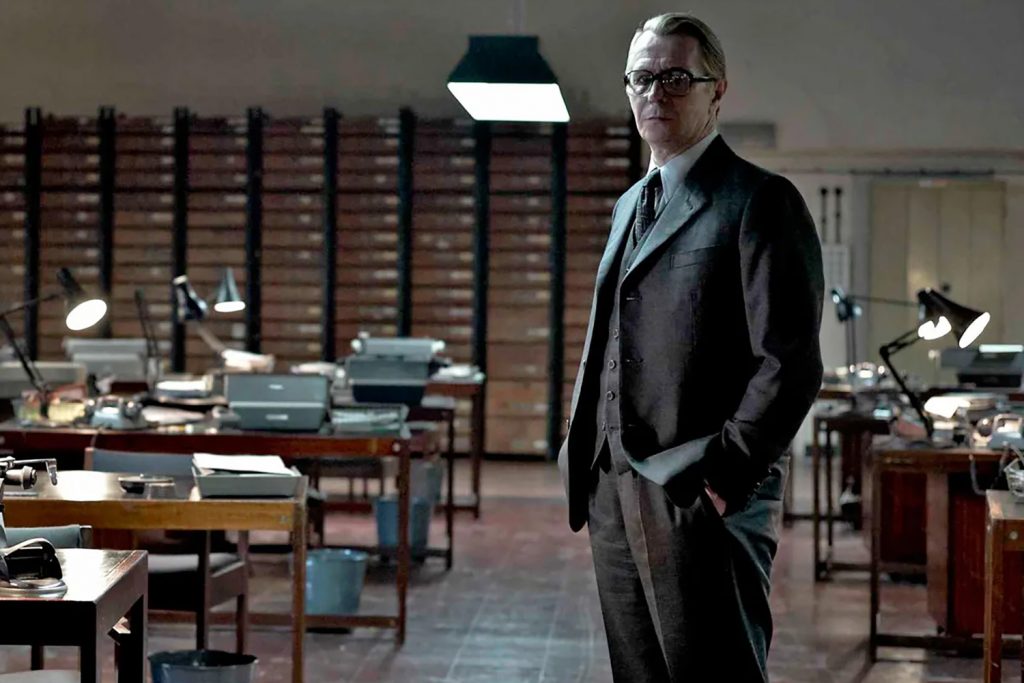
His books became his agents, his interventions in the world, and the meticulousness with which he oversaw every detail of the publishing process recalled the precision and gimlet eye of Smiley. The interest he took in the screen adaptations of his novels – especially the BBC and movie versions of Tinker Tailor, the film of A Most Wanted Man (2014), starring Philip Seymour Hoffman, and the triumphant dramatisation of The Night Manager (2016) – was no less intense. (We learn that, privately, as much as he revered Guinness, he “secretly thought Gary Oldman was the better Smiley.”)
What, one wonders, would Freud make of the attention that le Carré paid to the “cover” of every novel? When he wrote to the former KGB London station chief, Mikhail Lyubimov about “your new disguise as a novelist”, he was, one suspects, only half-joking. At times, his desk at Tregiffian came to resemble the global headquarters of a one-man intelligence service – “intelligence” in both senses of the word, of course.
In The Pigeon Tunnel, le Carré writes that espionage “did not introduce me to secrecy. Evasion and deception were the necessary weapons of my childhood. In adolescence we are all spies of a sort, but I was a veteran. When the secret world came to claim me, it felt like coming home.”
Deserted by his mother when he was five and raised, if that is the word, by a father (Reggie Cornwell) who was a convicted fraudster, serial bankrupt and conman – who told him not to bother with books – he often cited the maxim attributed to Graham Greene that childhood is the bank balance of the writer (“and by those standards I was a millionaire”).
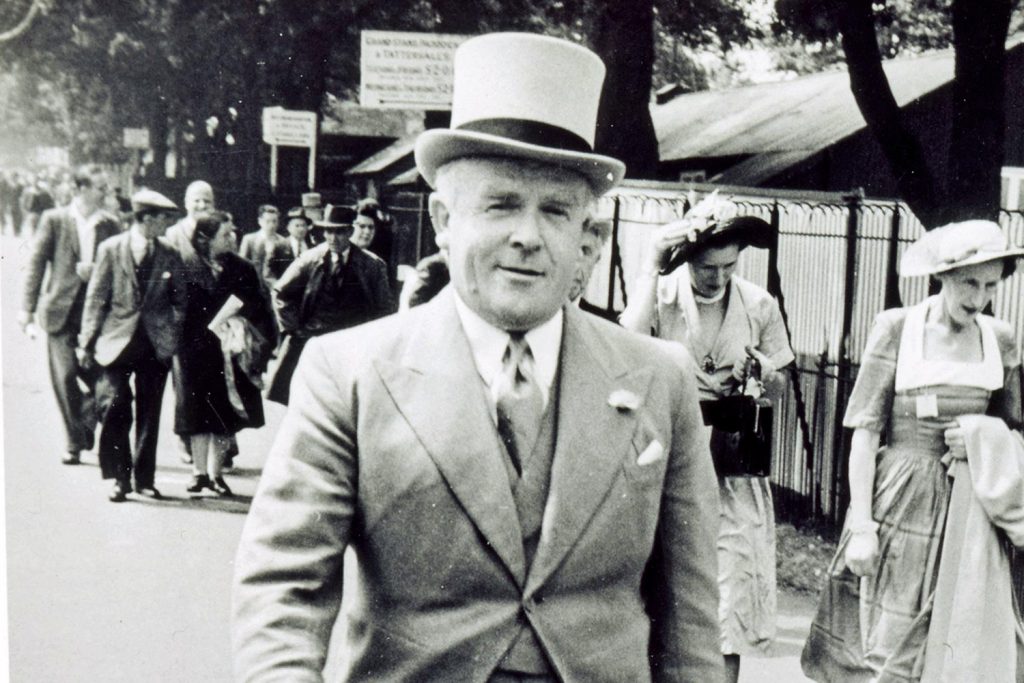
In Vivian Green, chaplain at Sherborne and Fellow and Rector at Lincoln College, Oxford, he found, if not a surrogate father, then at least a figure of constancy, integrity and compassion upon whom he could always depend. “Nobody ever did so much to set me on my feet as you did,” he wrote in February 1980, “and probably nobody gave me the feeling of seeing me so clearly.” He also revealed to Green that he had inspired certain key aspects of Smiley, his greatest character: “his humanity, at least, his perception of human frailty, & his difficulty about buying clothes!”
This should knock on the head the mistaken notion that Smiley was le Carré’s fictional alter ego. True enough, much of the spymaster’s world-view and his “bitter compassion” were the author’s own. To Alec Guinness in March 1978, he wrote: “Smiley is an Abbey made up of different periods, fashions and even different religions, not all of them necessarily harmonious. His authority springs from experience, ages of it, compassion and at root an inconsolable pessimism which gives a certain fatalism to much that he does”.
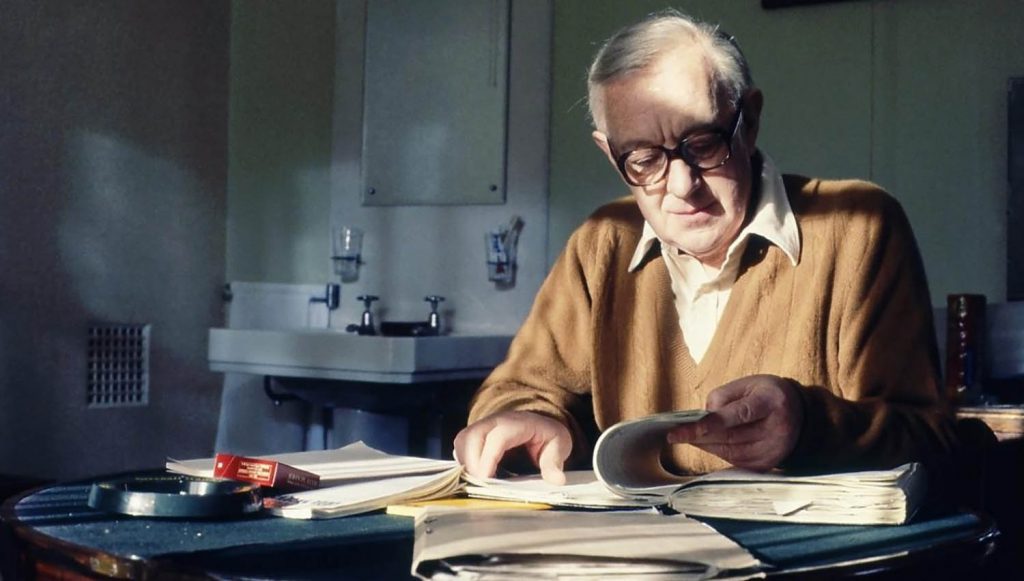
All of which chimes with le Carré’s own inclinations, temperament and philosophy. Yet, the more one reads, the clearer it becomes that Smiley’s true role in the Cornwell inner cosmos was much closer to that of an imagined father, a man dealing with the pressures and frustrations of life in precisely the opposite way to Reggie.
In this sense, if le Carré has a representative in his own fiction it is Peter Guillam, Smiley’s dashing sidekick and most loyal ally, described in The Secret Pilgrim (1990) as “Watson to George’s Sherlock Holmes”, and the narrator (now retired from the Circus) of A Legacy of Spies (2017), which returns, after many decades, to the events of The Spy Who Came in from the Cold.
For fans of le Carré, the most exciting disclosure in the letters is that the author was working in his final months on a book of “Smiley reminiscences”, narrated once more by Guillam. To Sir Tom Stoppard, he wrote in July 2020: “[T]he scene that presently absorbs me – & you wd write better than I – is set in 1989, with the Wall just down, when Smiley finally decides he is ready to meet his old nemesis Karla, settled under another name with his mentally sick daughter in a village not far from yours. What vision, if any, do they now have in common? Who will be the leading voice in the (theoretically) post-ideology world, what is doable, what is pie in the sky?”
This book, I understand, will indeed see the light of day, though in what precise form has yet to be determined. In the meantime, these letters are full of trails to follow, and stories to chase.
Even in lockdown, his health failing, le Carré oscillated between a default pessimism and a residual optimism that he could not quite shake. “Jesus what an unholy mess,” he wrote to Nicholas Shakespeare in April 2020. “We could get a decent, egalitarian society out of it, or a mad Brexit crashout and a king sized Tory fanatics’ fuck up.”
Then, the following month, to Alan Judd: “Fascinating to discover, by one disastrous appearance after the next, that Boris Johnson cannot muster empathy. It will be his downfall. But then who?” The great magus of the Cornish cliffs was, at least, spared the grim answer to that one.


