
What just happened
- The mayor of Slovyansk in eastern Ukraine urged civilians to flee Russia’s latest artillery barrage.
- Experts said bison numbers in Yellowstone National Park, where three humans have been attacked in five weeks, were at an all-time high.
- British Airways said it would cancel 1,500 more flights this summer because of labour shortages.
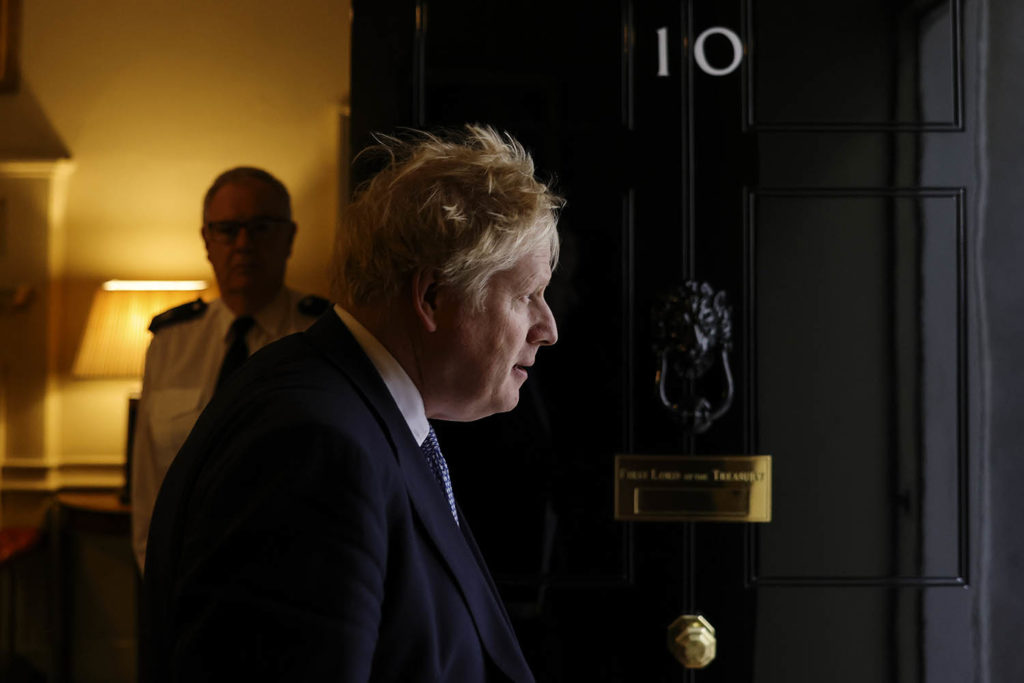
The view from low earth orbit is oddly intimate: a DIY satellite knocked together in the garage of amateur Conservative politics, recklessly firing retro thrusters, losing orbital velocity and falling slowly to earth.
Boris Johnson had one job. Having enabled the Leave campaign to win in 2016 by lending his support, he assigned himself the task in Number 10 of getting Brexit done by any means necessary. Job done, he has been flailing for a unifying mission and reaping what he’s sown.
Last straw. Rishi Sunak and Sajid Javid, chancellor and health secretary respectively, resigned within ten minutes of each other last night when Johnson admitted he should never have promoted the alleged serial groper Chris Pincher MP, knowing what everyone now knows he knew – thanks to a devastating letter from Simon McDonald, the former foreign office civil servant.
Eight other senior resignations last night included those of Alex Chalk, solicitor general, and Bim Afolami, vice-chair of the Conservative Party. The chairman, Oliver Dowden, quit last month. Children’s minister Will Quince, who previously defended Pincher to the media on Johnson’s behalf, resigned this morning.
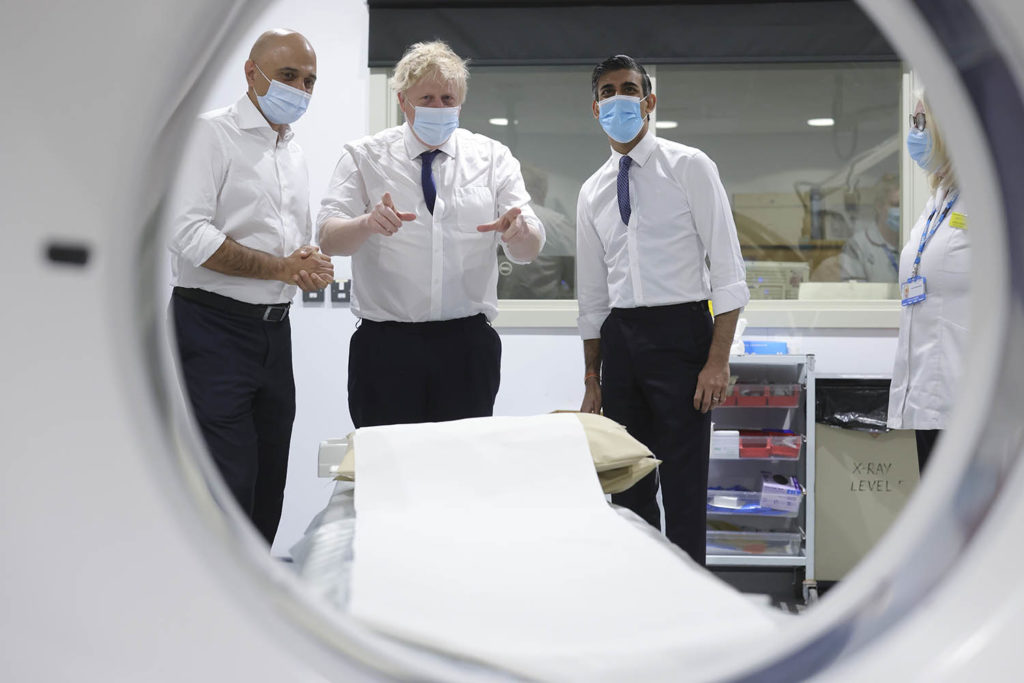
Next steps. Asked if he would go himself, Johnson said “fuck that”.
Instead he
- met 80 Tory MPs in the Commons tea room and joked that with Sunak gone as chancellor there would be more chance of tax cuts under his successor;
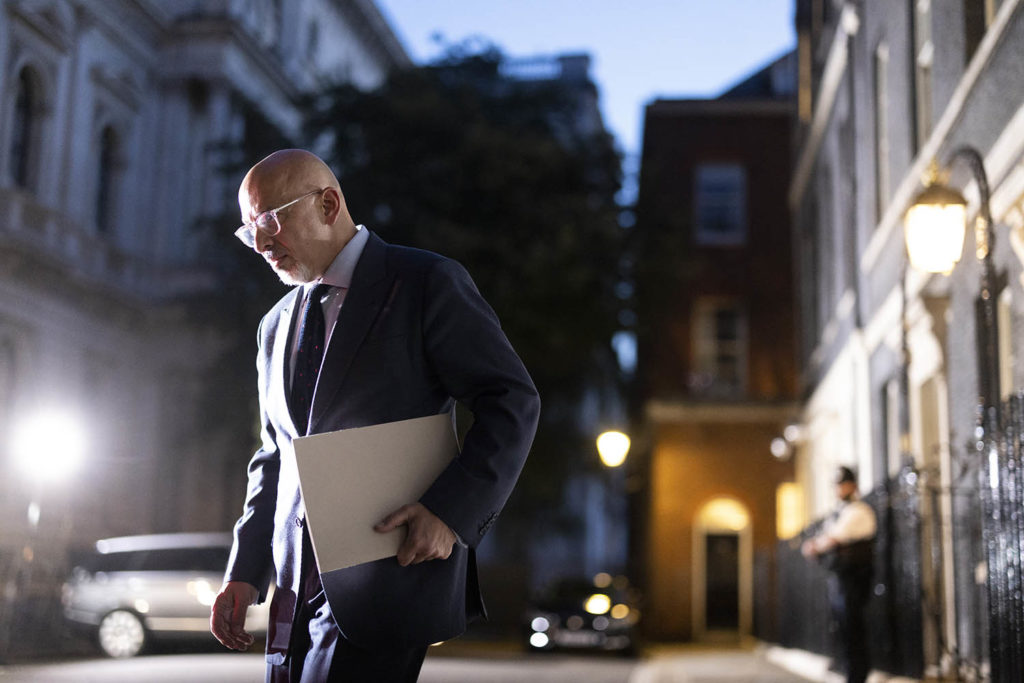
- appointed Nadhim Zahawi (ex vaccination czar) as his new chancellor and Steve Barclay (his former chief of staff) as Javid’s replacement at Health;
- braced for elections next week to the Conservatives’ 1922 Committee, which if dominated by rebels could rewrite its rules and allow a fresh no confidence vote weeks rather than a full year after the last one.
In that scenario, Johnson could be gone by parliament’s summer recess. In the meantime Zahawi endured this morning’s media round, denying Johnson’s habitual lying should have been grounds for even more resignations and trying to make the case for a VAT cut that Sunak couldn’t stomach. And Nadine Dorries, an ultra-loyalist, repeated the mantra that Johnson “gets all the big decisions right”.
Good calls. It’s true that Johnson has been able to take credit for a quick vaccine rollout last year and the rapid despatch of anti-tank weapons that helped stop the Russian army’s assault on Kyiv in March. It’s also true, if you believe in Brexit, that he got it done.
Bad calls.
- Hard Brexit. The Brexit that Johnson chose to keep the right-wing of his party in the party – that is, out of the EU customs union and single market – has had a calamitous effect on growth and trade as itemised here yesterday. It also provides an answer to the question why Johnson hasn’t surrounded himself with talent in Number 10 as he did as London’s mayor: because only abject loyalists can bring themselves to support a fundamentally flawed strategy.
- Lockdown parties. Allowing and lying about them ate away at trust in Johnson’s premiership at home.
- Northern Ireland. His plan to unilaterally tear up and rewrite the Northern Ireland Protocol so soon after signing it has destroyed what trust he still enjoyed abroad.
- Rwanda. His plan to deport asylum seekers to central Africa invited international ridicule and condemnation.
Bad luck. Whatever else they say, historians will have to acknowledge that the worst global pandemic in a century would have challenged any prime minister; and that war in Ukraine has exacerbated the cost of living crisis that has made Johnson’s leadership a psychodrama for the nation, not just the Westminster bubble. Inflation has in turn widened a gulf on policy that helped force Sunak’s hand.
In sum. There was, in the end, no such thing as Johnsonism. As the former Scottish Tory leader Ruth Davidson noted last night, that leaves nothing of substance for his ministers to defend. Instead Johnson stands for the pursuit of power at any cost, which in his case has been the poison of populism and the casual erosion of the rule of law.
Seven in ten voters say he should go. So does the Times. The Telegraph and Mail have all but had enough. No wonder there were glum faces all round the cabinet table yesterday. “He’s toast,” a senior Tory on the parliamentary liaison committee tells Politico. This satellite will burn up on re-entry.
Zimbabwe gold
Inflation is eliciting a range of responses. The Bank of England’s deputy governor said this morning the bank would do whatever it takes to make sure UK inflation passes through rather than sticks around. Levers available include more rate rises – half a point next month, perhaps? – and the more passive approach of hoping people will spend less. Neither comes close in terms of drama to the Reserve Bank of Zimbabwe’s plan to issue gold coins as an inflation hedge. Zimbabwean inflation is now running at about 160 per cent and it’s not at all clear how much gold the Reserve Bank has to sell – nor whether it’s smart policy to do so – but at least those who can afford the coins will be spared the indignity of buying groceries with bricks of notes.
Chinese police hack
Data from the biggest ever leak of Chinese police data has been offered for sale by a hacker for $200,000. Bloomberg, Reuters and others say tasters offered to interested parties look authentic, meaning this could be a valuable insight into the workings of the Chinese surveillance state – and perhaps a handy source of kompromat too. There’s presumably a CIA budget for this, but couldn’t Zuckerberg buy it for us all?
Hangover pills
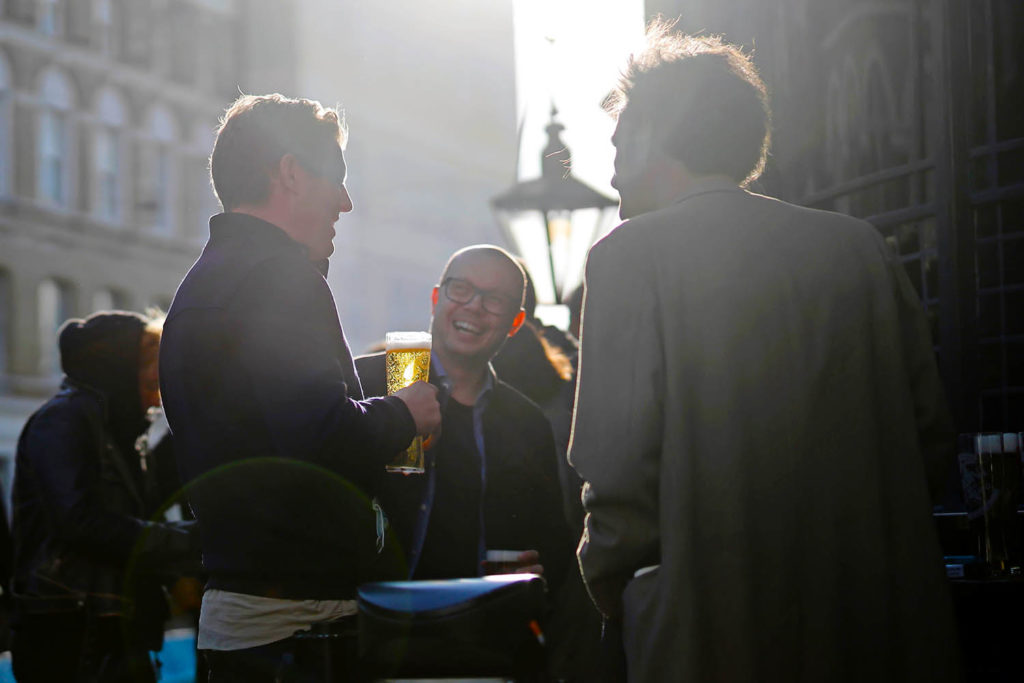
Could a new pill really prevent a hangover after a night of boozing? Swedish pharma company De Faire Medica claim that popping two of their Myrkl – presumably pronounced “miracle” – pills before you drink will help you feel fresher the morning after. How? Active bacteria (aka probiotics) along with vitamins B12 and L-Cysteine breaks down the alcohol in your blood and turns it into water and CO2. On closer inspection, the clinical study cited by the company leaves more questions than answers. Only 24 people were included in the double-blind study and although blood-alcohol levels did decrease significantly, it was after a light breakfast and a glass of vodka – not a night of drinking. More importantly, there is no mention of hangovers and the main conclusion is that regular supplementation meant better alcohol breakdown – not one-time usage. Miracle? Not quite. Sensemaker suggests sticking with the basics: more water, less alcohol.
African war?
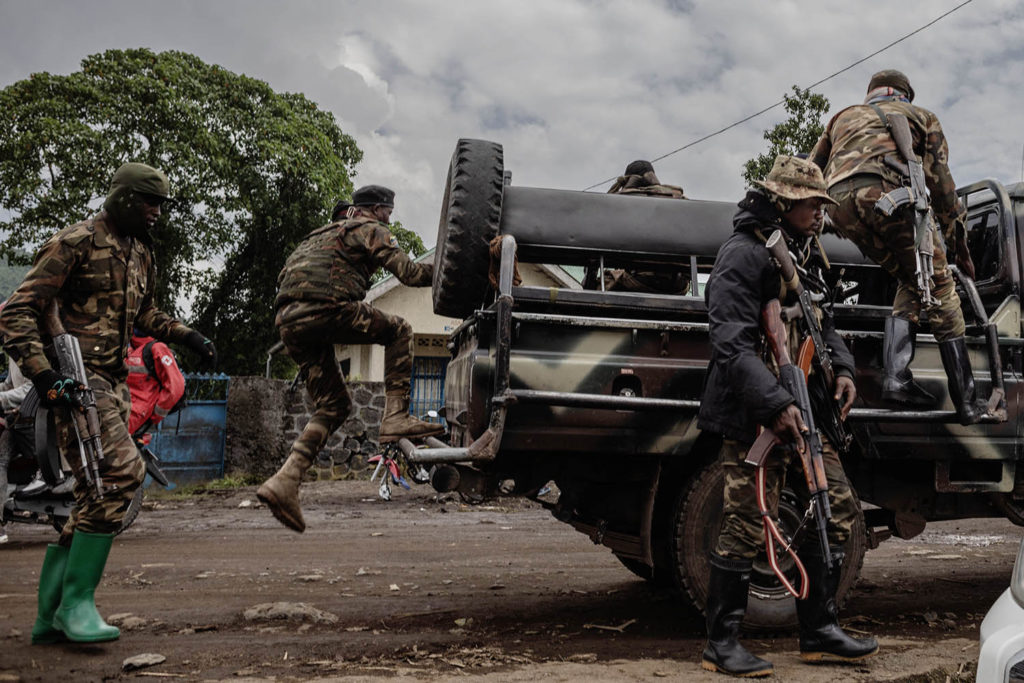
Barely ten days after the Commonwealth leaders held their summit in Kigali, the Congo’s president is warning war could break out with Rwanda. Fights between the estimated 130 armed militia groups in mineral-rich east of Congo are escalating. President Félix Tshisekedi told the FT “we will not sit and do nothing about it” – “it” being his belief the Rwandan government are backing the resurfaced M23 armed militia who are currently leading a strong-offensive. His Rwandan counter-part Paul Kagame has similarly accused Congolese troops of joining the Democratic Forces for the Liberation of Rwanda (FDLR) group in their own efforts. The two leaders are set to meet in Angola later today to discuss the conflict. To say tensions are high is an understatement.
Russians in Tbilisi
An estimated 43,000 Russians have arrived in Georgia since Russia’s invasion of Ukraine, and they have not always felt welcome. Some have found “Russia is occupier” signs outside buildings where they’ve rented flats. Others report seeing graffiti urging Russians to go home, according to the Moscow Times. Georgia used to be a favourite escape for Russia-based Soviet citizens who could afford the (subsidised) airfares – a place of wine, warmth and relatively good food. It’s still a wonderful escape, but the invasion’s collateral damage for Russians’ image abroad won’t be repaired for decades.
Thanks for reading. Please share this around and tell us what we’ve missed. News tips and story ideas are welcome. Email them to sensemaker@tortoisemedia.com.
Giles Whittell
@GWhittell
With additional reporting by Phoebe Davis.
Photographs Simon Dawson / No 10 Downing Street, Getty Images


