Sensemaker Daily
What just happened
- The extra Jubilee Bank Holiday on Thursday could knock 0.4 per cent off the UK’s GDP in the second quarter.
- Left-wing former guerrilla Gustavo Petro won 40 per cent of the vote in the first round of Colombia’s presidential election.
- Ukrainian rap-folk band Kalush Orchestra raised £712,000 to buy drones for Ukraine’s military by auctioning their Eurovision trophy on Facebook.
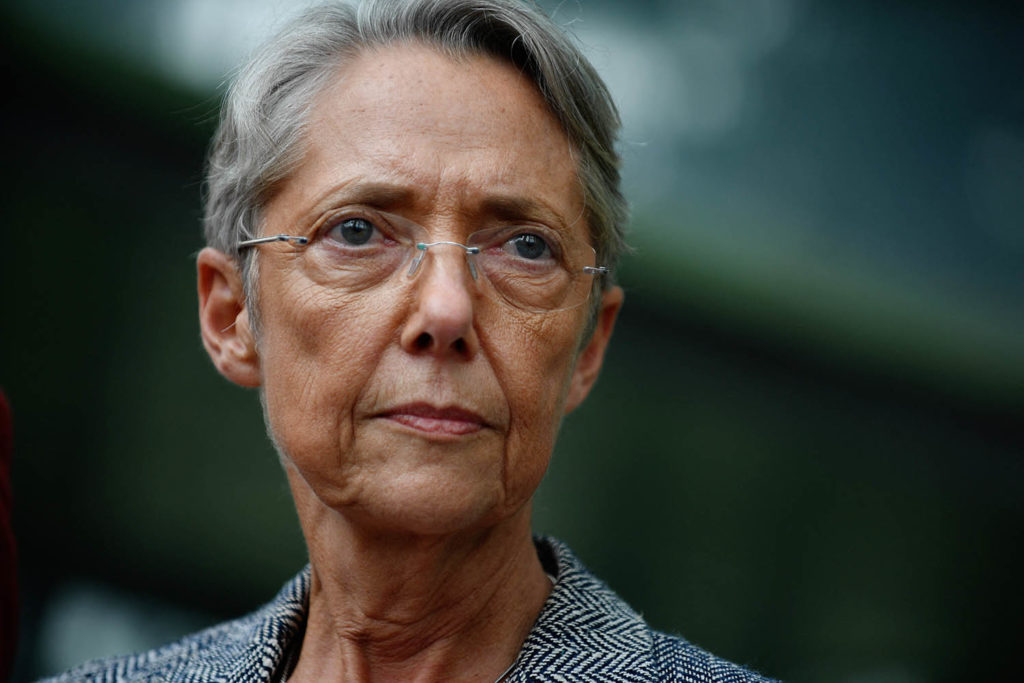
French riot police appear to be out of control (more below) and the French people are facing a cost of living crisis almost as severe as the UK’s. The person President Emmanuel Macron has chosen to tackle these and other Covid aftershocks as parliamentary elections loom is Elisabeth Borne, a meticulous technocrat now running for elected office for the first time in her life.
Borne has had a tough start to life as France’s second female Prime Minister, but she can cope with “tough”. Her father, a Holocaust survivor and Resistance hero, died by suicide when she was 11 years old. She has climbed to the second rung in a French political system which is hostile to women. Still, her appointment prompts two questions:
- Is she a good choice?
- What made President Macron choose her?
Team player. Borne was both Macron’s first choice and a last-minute decision. She fitted some parts of the CV laid down by the President: female, from the centre-left; loyal; a hard-worker; a good negotiator; unlikely to outshine him. But she flunked on several others: she has never campaigned for office; she has no regional base; she has no obvious signs of charisma.
Not right. After three weeks of indecision, Macron almost picked another woman, Catherine Vautrin, president of the greater Rheims area. He returned to Borne at the last moment when some of his closest advisors objected to a third right-wing Prime Minister in a row.
L’affaire Abad. The reason her first weeks in office have been tough is that old allegations of rape against a member of her government, welfare minister Damien Abad, have re-surfaced. She and Macron say they knew nothing of the allegations before they appointed him. In any case, they say, the allegations are old (one goes back to 2001) and have already been investigated and found unconvincing.
“Not so quick,” say opposition politicians and parts of the media. There is some evidence that Macron and Borne did know about the allegations – or at least should have done.
Is this damaging? Too early to say. But the Abad row has dominated the first 10 days of Borne’s premiership and has deepened the impression that she and Macron are drifting without a clear campaign strategy into next month’s elections, in which blocs to both left and right claim to be the true voice of the hard-pressed.
The chaos before Saturday’s Champions League final in Paris did not telegraph competence or tolerance either.
Who will win? Macron’s centrist alliance, renamed Ensemble! Probably. Polls suggest his federation of centrist groups is running neck and neck with the newly united Left and Greens in the popular vote but should claim more than half of the 577 seats in the National Assembly.
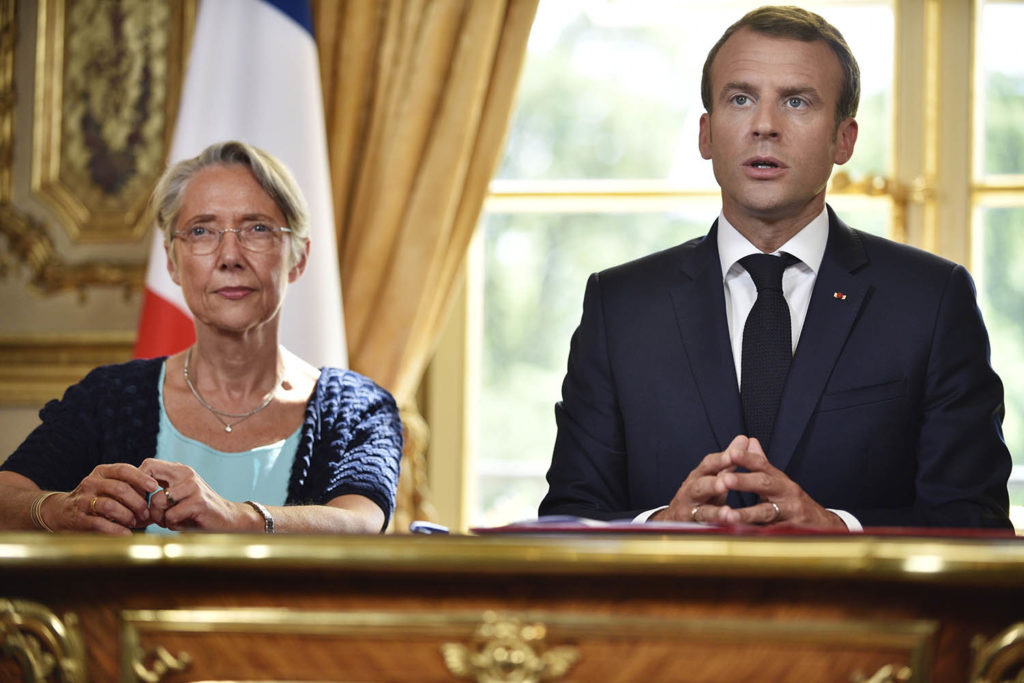
What about Borne? After spending almost her whole life in government as a super-civil-servant – as a senior aide to Socialist politicians, as head of the Paris Metro, as three kinds of minister in Macron’s first term – Borne is running for election in the rural south-west of Calvados in Normandy, not far from where her mother came from.
Does she have to? No. Here is a curiosity of French politics. She doesn’t need to be an MP to be PM. But if she loses this local race, Macron will dump her. The same rule – established by Macron, not French law – applies to 15 other ministers who are running for seats next month. Bizarrely, if she wins, she will immediately have to resign her seat and let her running mate become the local deputy.
Will she win? Yes. It’s a safeish seat for the Macron alliance. Many local people are delighted to have a prime minister amongst them, however briefly.
Borne’s mother, Marguerite Lescène, was Norman. Her father, Joseph Bornstein, later Borne, was a Belgian-born Jew who survived being sent to Auschwitz and Buchenwald. His father and one of his brothers did not. Joseph suffered for the rest of his life from survivor’s syndrome and died by suicide by throwing himself from a window when Elisabeth was 11.
Already a brilliant student, she plunged into her books. She was one of very few women to be admitted to the prestigious engineering school Ecole Polytechnique in the 1980s. She went on to a successful career as a civil servant, with a reputation for extreme loyalty to her bosses and extreme impatience with her staff.
As transport minister for Macron, she reformed the state railway giant, SNCF, opening it to competition but dumping its accumulated debt on the state.
As employment minister, she reformed the French dole system, reducing unemployment pay (especially very high payments to white-collar workers) but increasing the length of the period of protection. She is therefore attacked as a “mini-Thatcher” by the French Left but insists that her own political orientation has always been social-democratic or centre-left.
Will she be a good Prime Minister? Borne has succeeded in every job she has done until now. She has added the mantra “rapidité, efficacité, résultats” to the more familiar liberté, égalité, fraternité. It would be foolish to write her off.
John Lichfield has been reporting from France since the 1990s.


