Sensemaker Daily
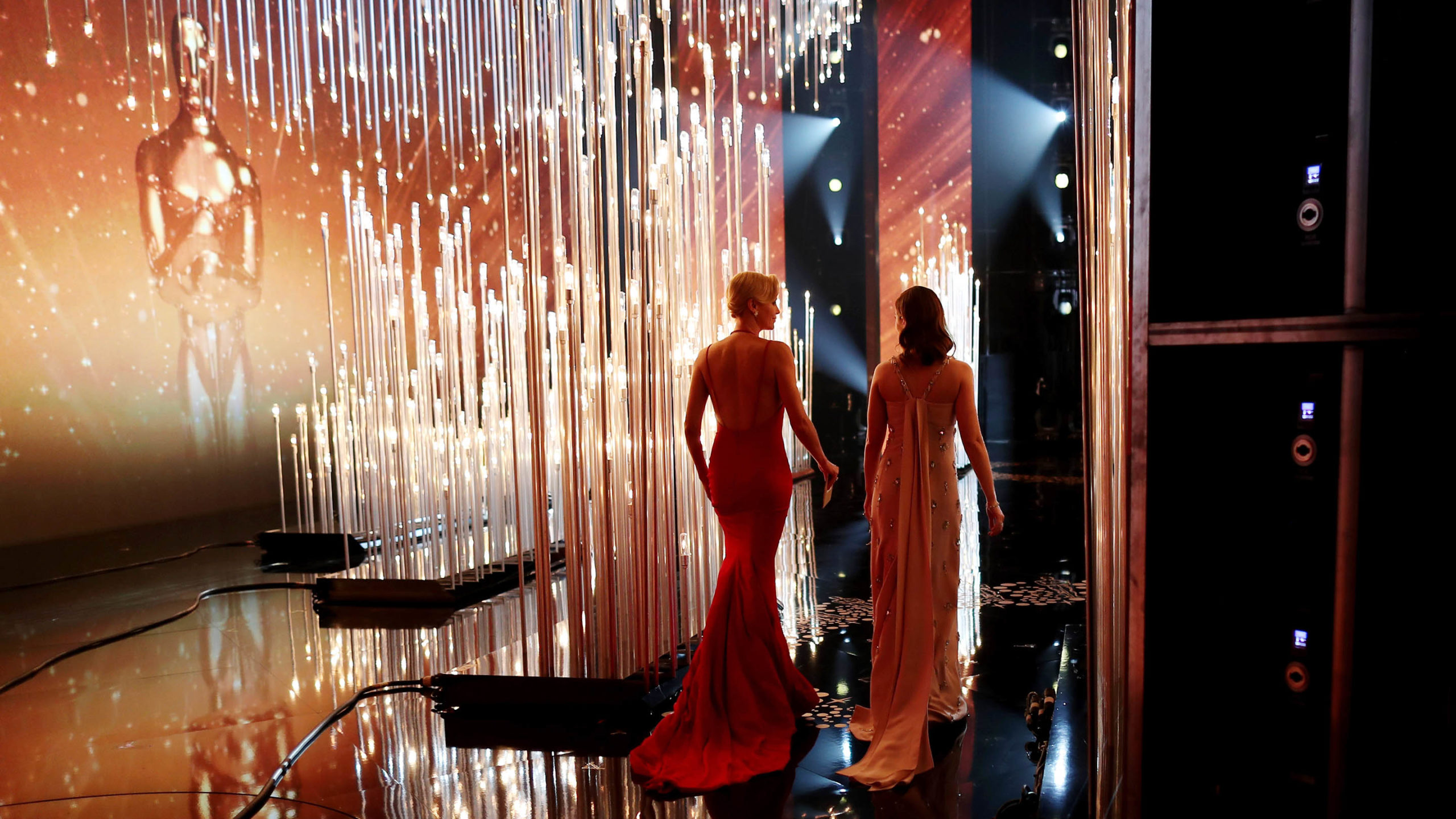
For all their flaws, the Oscars remain a riveting spectacle. Can any movie stop The Power of the Dog this weekend?
“You don’t make pictures for Oscars,” said Martin Scorsese – and that is certainly true of the great auteur himself, who, in one of the most distinguished careers in the history of cinema, has only picked up a single golden statuette (Best Director, The Departed, 2007).
It is undeniable, too, that television audiences are losing interest in the awards ceremony itself: only 9.85 million Americans tuned in to last year’s show, a 59 per cent fall since 2020. This collapse must in part be attributable to the pandemic: the dull presenterless format and general lack of glitz forced upon the ceremony by Covid. But the trend cannot be entirely explained away by epidemiology.

Still: all 60 commercial slots for this year’s broadcast have been sold. And studios continue to sink tens of millions of dollars into their campaigns for Oscar glory: Netflix may be Hollywood’s great digital disruptor, but its craving for the highest traditional accolade available in tinseltown is strictly old-school. The streaming giant has had a team of strategists working round the clock to ensure that Jane Campion’s The Power of the Dog (see Creative Sensemaker, 25 November) – nominated for 12 awards this year – sweeps the board.
As fashionable as it is to declare the Oscars a zombie of the analogue age, the yearning for this particular cultural laurel is undimmed. Whatever cineastes claim to the contrary, the prestige of the awards is still palpable: let’s not pretend that the words “Oscar-winning” or “Oscar-nominated” have been drained of all power. And, as Brian Cox points out in his terrific memoirs, reflecting on his own portrayal of Hannibal Lecter (or Lecktor) and the subsequent transference of the role to Anthony Hopkins: “One thing that did bother me was the money, because of course Tony went on to win the best actor Oscar for it and when you win an Oscar your salary goes whoosh.”

On Sunday, Regina Hall, Amy Schumer and Wanda Sykes will present the 94th Academy Awards at the Dolby Theatre in Los Angeles (broadcast live in the UK from 1am on Monday on Sky Cinema, Sky Showcase, and Now). This follows a week of dinners, receptions and parties of varying importance – events, which as Zadie Smith wrote in a memorable essay, often resemble “a golden wedding anniversary party at which no one can identify the happy couple…The atmosphere is civilized to the point of suffocation.”
Suffocation which, of course, is usually matched by controversy before or during the ceremony. The awards have not yet fully recovered from the #OscarsSoWhite furore of 2015, when all 20 of the nominees for acting categories were white – in common with 93 per cent of academy members, 76 per cent of whom were men. Since then, the number of female and ethnic minority members has doubled; but the academy knows it is still on probation after a dismal period in its history.
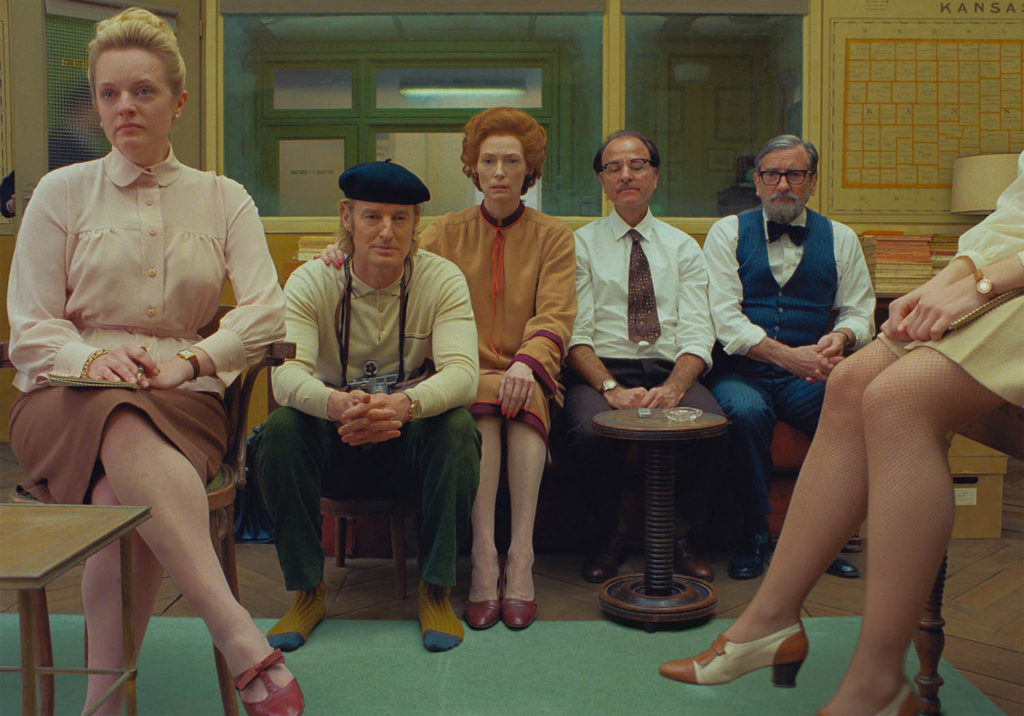
This year’s Oscars have already generated their fair share of contention. The failure to award a single nomination to Wes Anderson’s The French Dispatch – one of the finest films of recent years (see Creative Sensemaker, 21 October) – simply made the academy look silly.
Campion, for her part, nearly blew it for The Power of the Dog as she accepted her gong for Best Director at the Critics Choice Awards on March 13, saying to the Williams sisters (who were in the audience to support King Richard): “Venus and Serena, you’re such marvels. However, you don’t play against the guys, like I have to.”
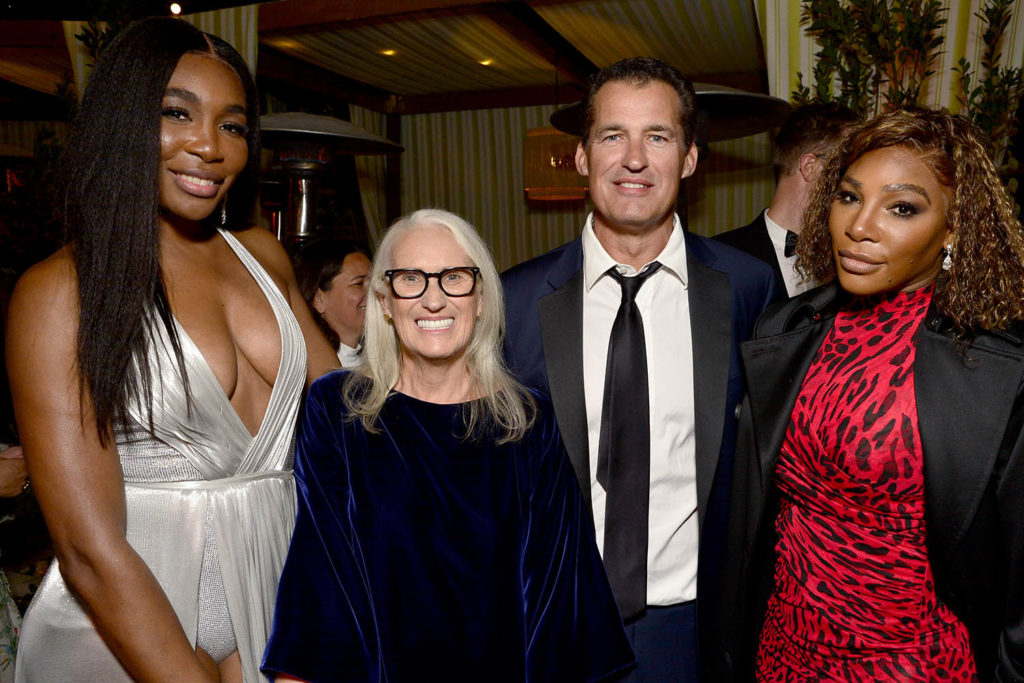
The New Zealand-born film-maker apologised profusely for this crass misstep – sincerely, no doubt, but conscious, too, one supposes, that there were still nine days for academy members to make up their minds (voting for the Oscars ended officially at 5pm Pacific time on Tuesday).
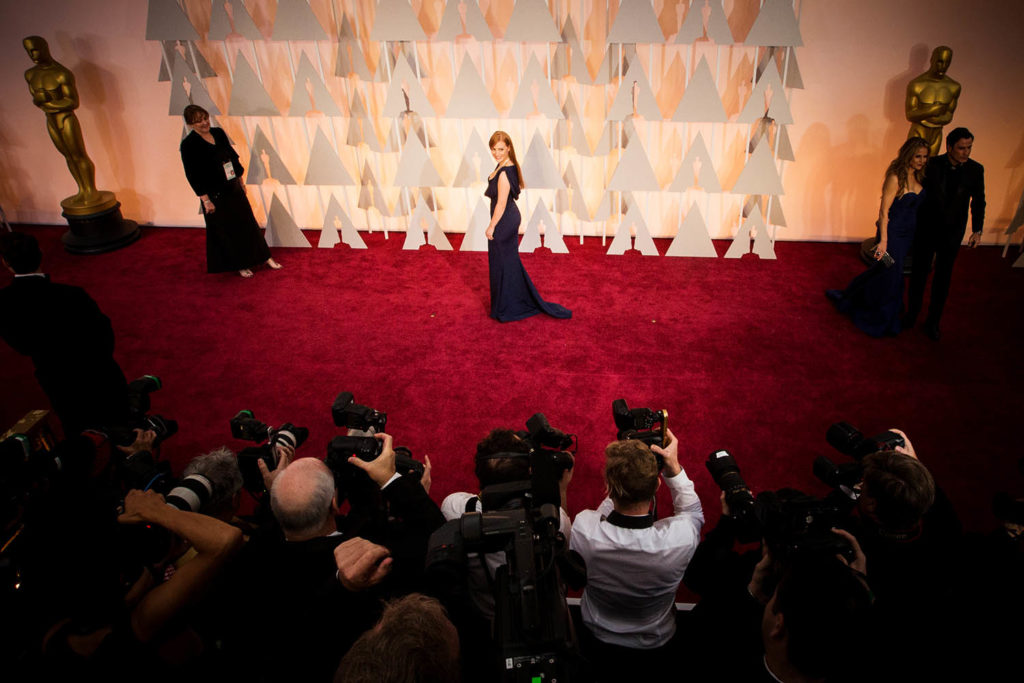
And one more storm in a champagne glass: Jessica Chastain, star of The Eyes of Tammy Faye (Disney+), has threatened to boycott the red carpet this year in protest at the decision to cut the so-called “artisan” and “below-the-line” awards – makeup, production design and so on – from the live broadcast. (For a wonderfully gossipy and well-informed account of the Oscars through the decades, try the recently published Best Pick: A Journey Through Film History and the Academy Awards by John Dorney, Jessica Regan and Tom Salinsky.)
What matters most, however, is that this has been a tremendous year for film – both in the quality of movies released and the more fundamental fact of movie houses’ survival. That the future of film is a hybrid of home streaming and cinema-going is beyond doubt. But the worst portents of the pandemic years – that the age of the cinema as an entertainment venue was over – have, for now at least, been proven wrong.
You can peruse all the nominations here. Who and what will (or should) win on Sunday?


