What just happened
- A group of British MPs with an average age of 34 plotted to remove the UK’s prime minister for hosting parties during lockdown and then lying about them.
- Unilever’s stock price tumbled after its offer of $50 billion for GSK’s consumer products division was declined.
- Emma Raducanu and Rafael Nadal made it through the first round of the Australian Open.
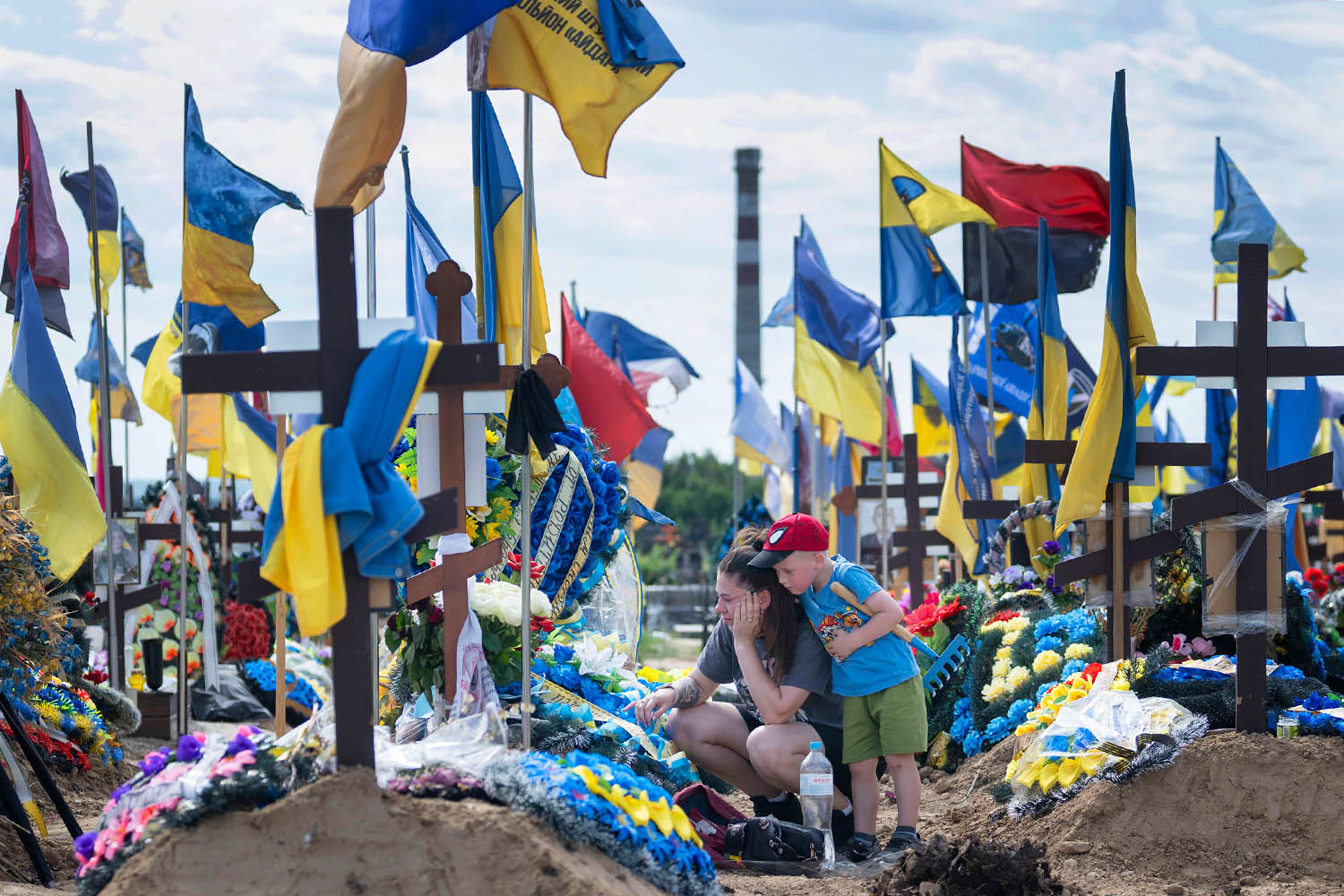
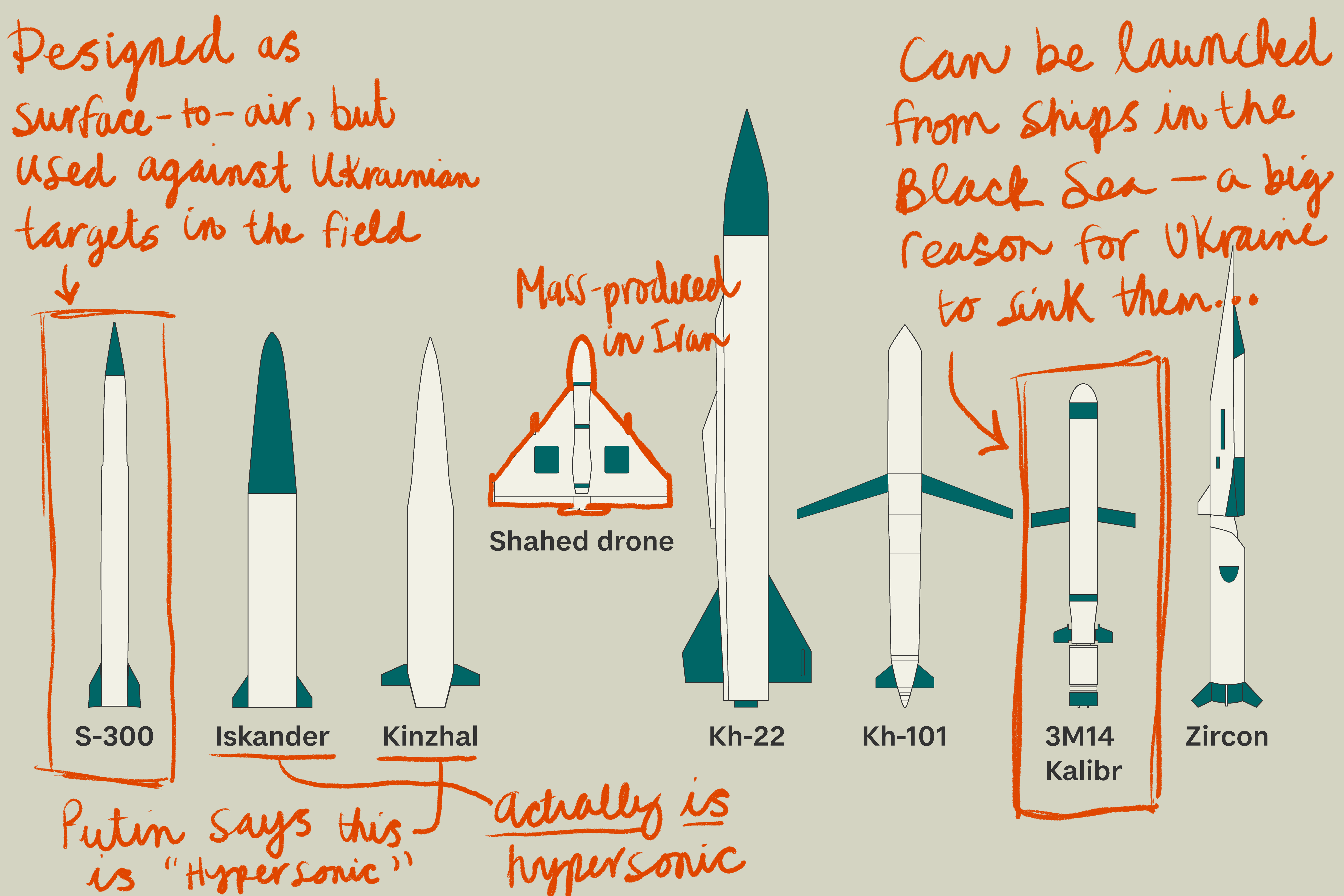
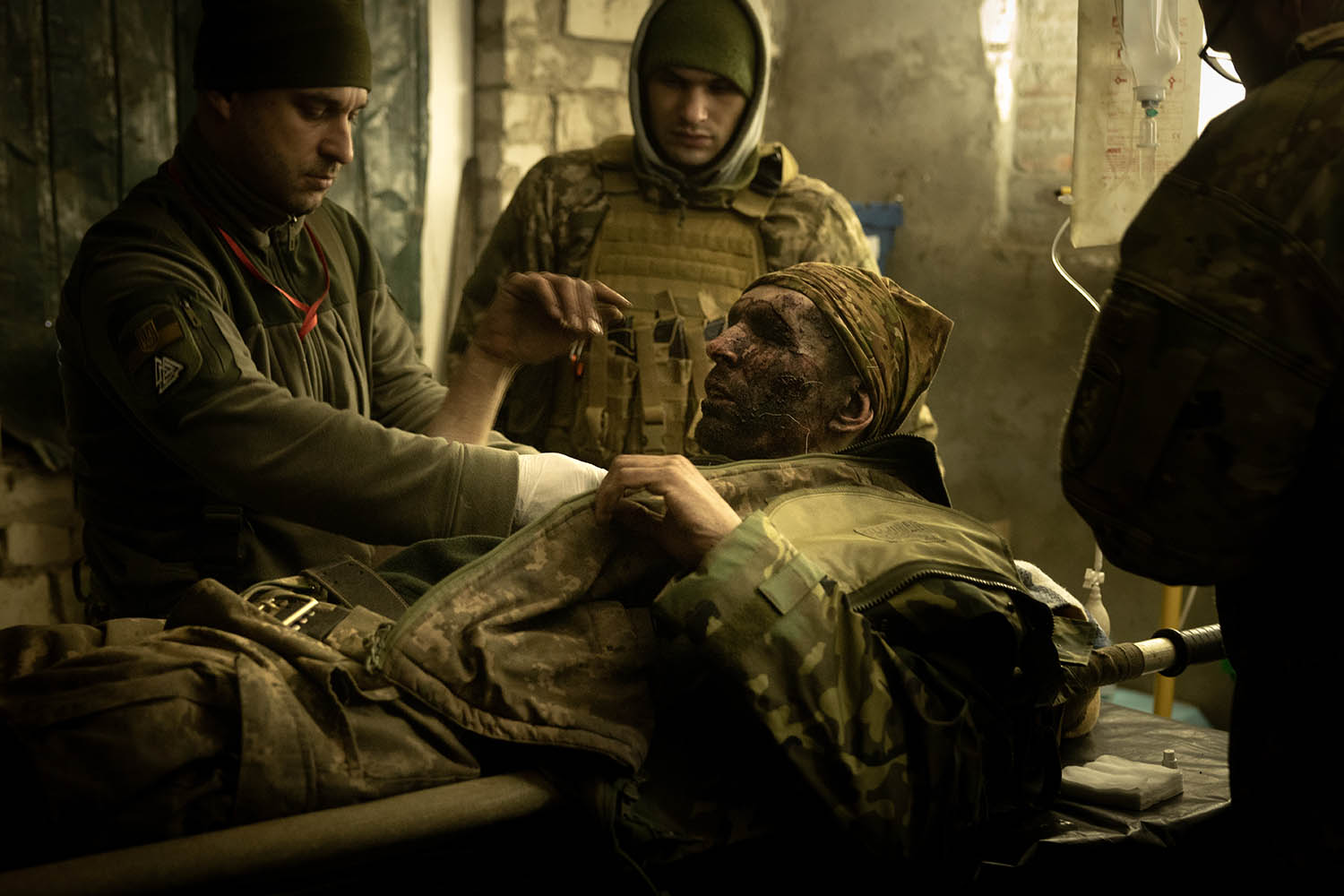
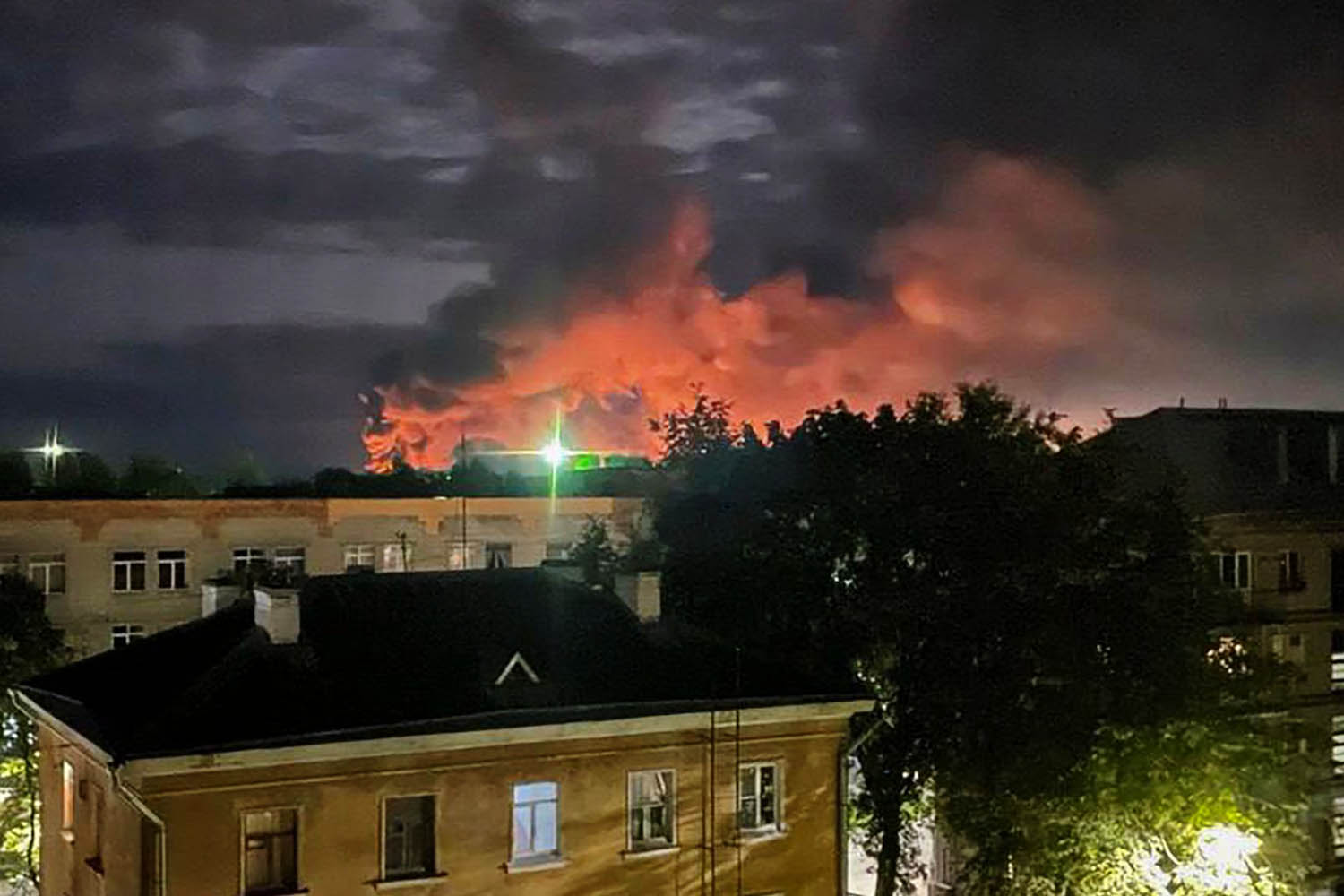
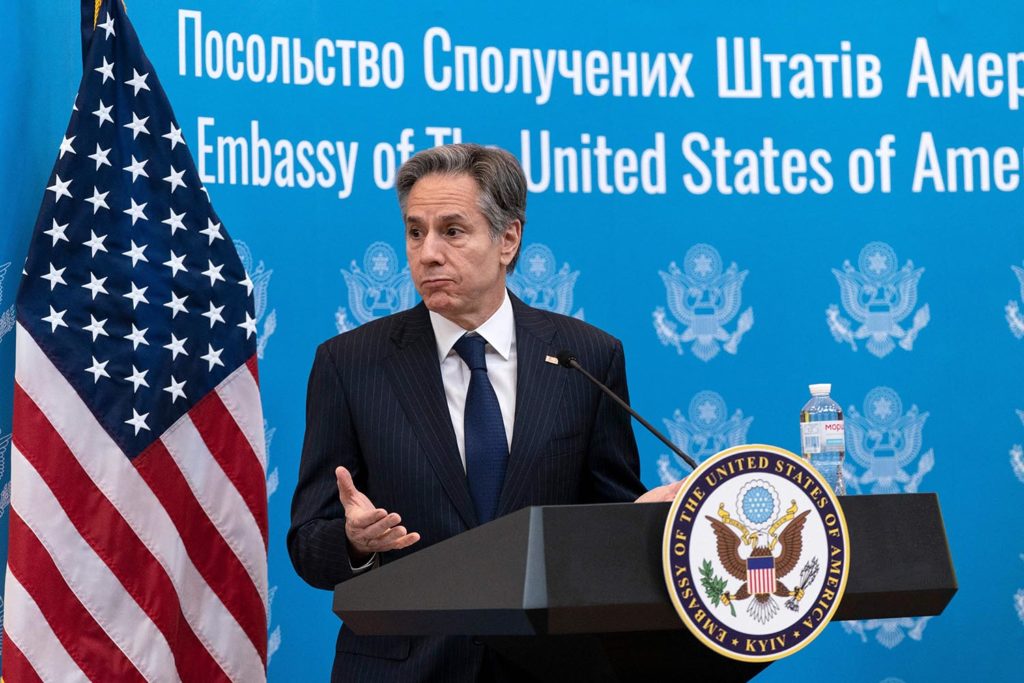
America’s top diplomat arrived in Berlin this morning to coax Moscow into a face-saving exit from the stand-off it has engineered in Ukraine. It’s doable. Russia insists it has no plans to invade. The difficulty is the frequent divergence between what Putin says and what he does, and his stubborn, ahistorical conviction that Ukraine is part of Russia.
Last week talks at a lower level in Brussels and Geneva deadlocked, as expected. Russia refused to withdraw its troops from the Ukrainian border or its demand that Nato rule out Ukrainian membership. Nato refused to give Russia a veto over who joins the alliance.
Since then
- Ukraine has blamed a concerted cyberattack on its government computer systems on Russia.
- Russian troops and armour have arrived in Belarus, ostensibly for exercises along the Belarusian-Ukrainian border but bringing with them – analysts fear – the risk of a new European deployment of Russian nuclear weapons.
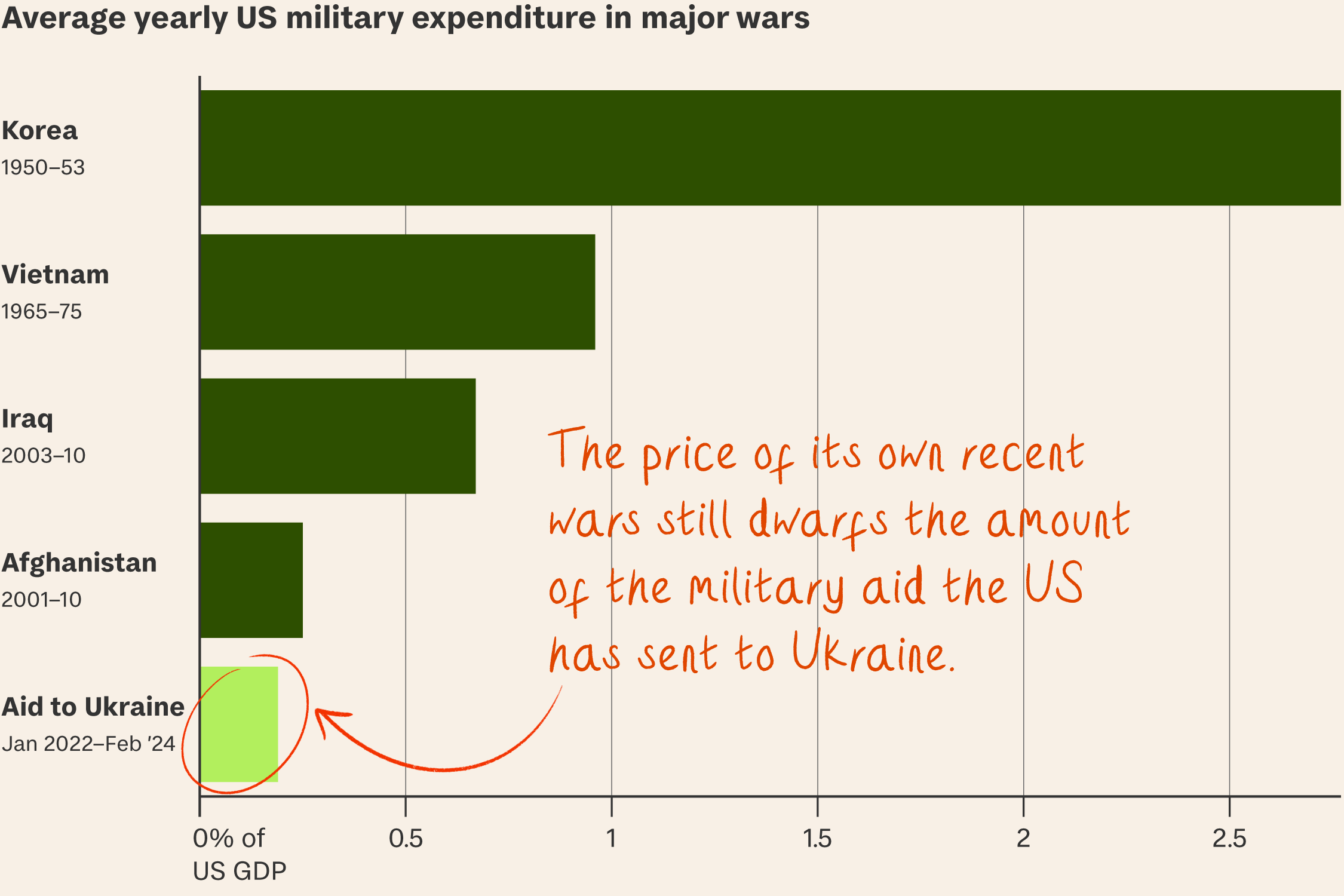
- The UK has sent short-range anti-tank weapons to Ukraine, and a small number of experts to show Ukrainian defence forces how to use them.
To coincide with the British military airlift the UK’s defence minister, Ben Wallace, wrote a notably frustrated article dismantling Putin’s claim that Nato poses a threat to Russia. Wallace also drew attention to a 7,000-word essay published by Putin last summer that sets out the Russian leader’s view of Ukraine’s history and his reasons for believing that “the true sovereignty of Ukraine is possible only in partnership with Russia”.
The Putin essay is titled “On the Historical Unity of Russians and Ukrainians”. One veteran Kremlin-watcher calls it “so unpersuasive that it’s hard to believe that it’s anything other than a sincere expression of [Putin’s] belief”.
In this analysis the answer to the question of what Putin wants is, simply, Ukraine. But a more urgent question is what he wants right now. Answers to that include
- a rebalancing of the armed showdown in eastern Ukraine’s Donbas region, which after six years is starting to tilt in favour of Nato-backed Ukrainian troops and against Russian-backed rebels; and
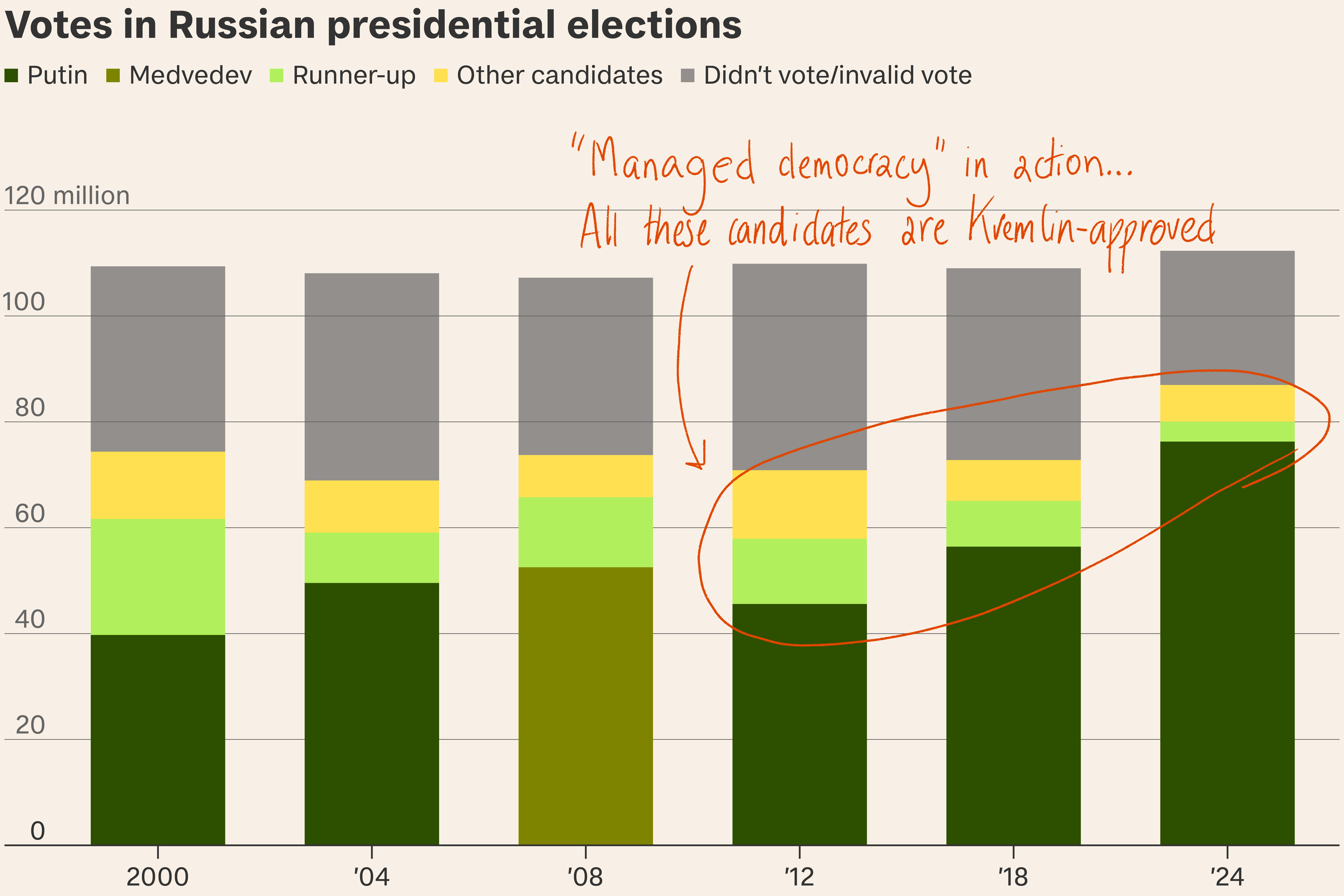
- a distraction from Putin’s sliding popularity. Hurt by Covid and a misfiring economy, his approval ratings are close to their lowest since he took power 22 years ago.
The US fears cross-border military action “at any point”. Ukraine’s foreign minister urged western powers last night to act now against Russia rather than waiting for it to send in tanks. The only serious deterrence proposed so far – suspending Russian use of the Swift interbank transfer system – may already have been shelved as self-defeating, especially for Germany.
That leaves targeted sanctions against big Russian banks. We’ve been here before, and it hasn’t worked. In a best-case scenario expect public bluster and tacit concessions by the end of the week. The worst-case scenario doesn’t bear thinking about.
UK inflation
If British politics had not been hijacked by the history of lockdown, they would be dominated by inflation. Prices rose more than expected between November and December, by 5.4 per cent, which means in the month before Christmas inflation was higher than at any time in 30 years. An FT analysis shows spiking transport costs drove much of the increase, with housing and energy prices the second-most important factor. The Bank of England is supposed to target an inflation rate of 2 per cent and so will feel pressure to raise interest rates. It’s also supposed to be independent, but will nonetheless feel a countervailing pressure from government not to raise rates too far for fear of slowing an already sluggish post-Covid recovery. At least the chancellor has something other than his next job to think about.
Malta’s president
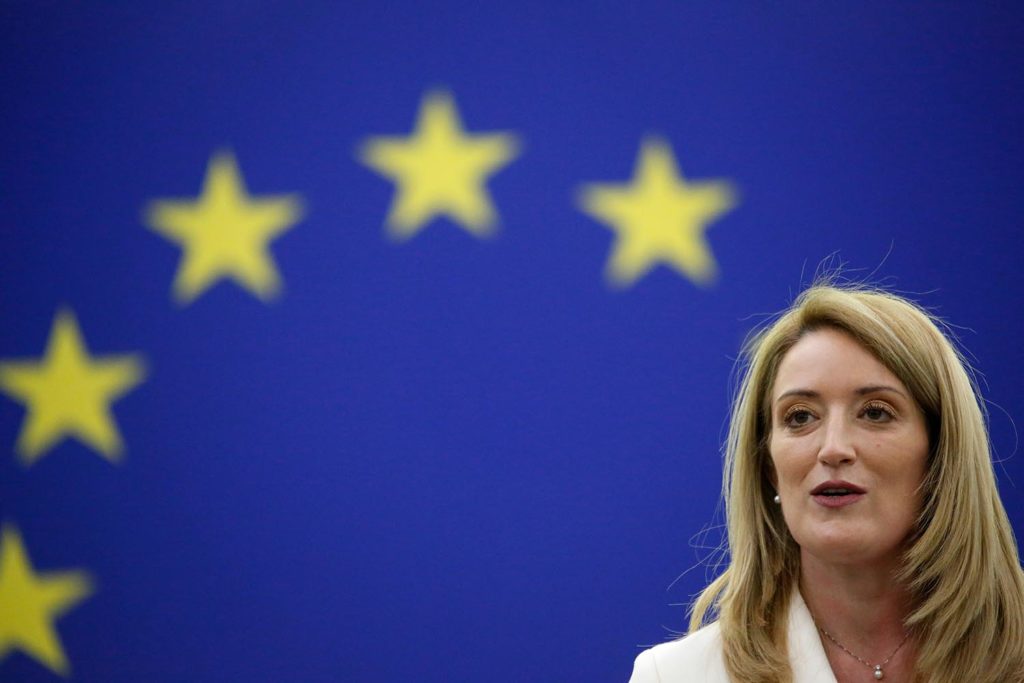
The new president of the European Parliament is the youngest ever and a leading member of Malta’s centre-right Nationalist party. Roberta Metsola, 43, was elected to the post after the death last week of David Sassoli. She was immediately asked for her views on abortion, which her party opposes. She said she’ll follow that of the parliament, which doesn’t. To note: Malta’s Nationalists aren’t nationalist. Rather, they led efforts to win independence from the UK. And Metsola is emphatically for the rule of law. She once famously refused to shake the hand of Joseph Muscat, the disgraced former Maltese prime minister.
E by golf
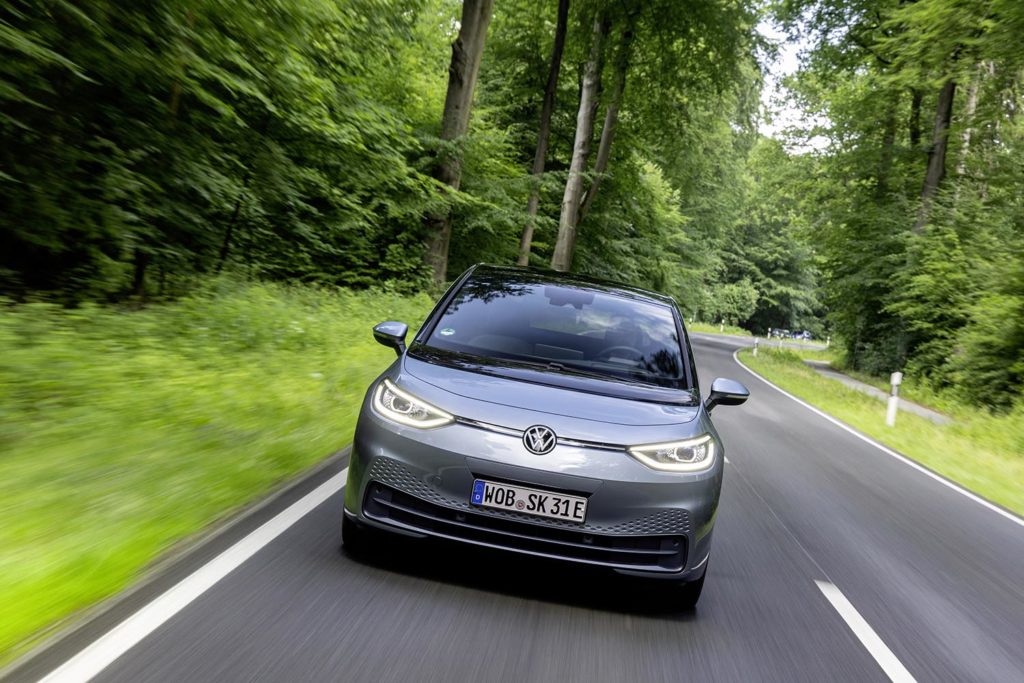
Hmm. What follows is disappointing. As part of a bid to demonstrate the general prowess of electric cars, Felix Egolf, a Swiss enthusiast, recently drove one over the Alps. The idea was to show regenerative braking in action; to prove that unlike petrol cars, electric ones can claw back power used going up hills by converting kinetic energy back into electric energy going down them. In principle it’s simple. Pulled downhill by gravity, the car’s motors work as generators. It should also be efficient. But Egolf only got back 30 per cent of the charge expended. What happened to the other 70 per cent? If it was lost as heat in brake pads something was very wrong with Egolf’s tech – and yes, he was driving a VW. Not a Golf, but still. The WSJ has the story. Most of it’s about “hypermilers” who live to eke out range from petrol tanks as well as batteries (they have to learn to live with road rage piling up behind them).
Zhao and Zhao
Flowers, fruit and force of circumstances have done the trick for Zhao Fei. He went on a blind date with Zhao Xiaoqing in China’s Shaanxi province in mid-December, took her into his house when lockdown prevented her from going home, and now they are engaged. Over the course of a month’s forced cohabitation, Xiaoqing said she found Fei charming, considerate and more handsome than in his online pictures. “I very much treasure the love between us,” she tells the South China Morning Post. “I am thankful for this special karma.” They’re not the only couple forced together by blind dates interrupted by lockdowns but they may be the first to decide to get married. It seems to have helped that Fei lives with his parents, who approved of Xiaoqing; and that she valued their approval. For context, China’s National Bureau of Statistics reports a gender imbalance of 108 males for every 100 females in rural areas, and 103 for every 100 in urban ones.