Sensemaker Daily
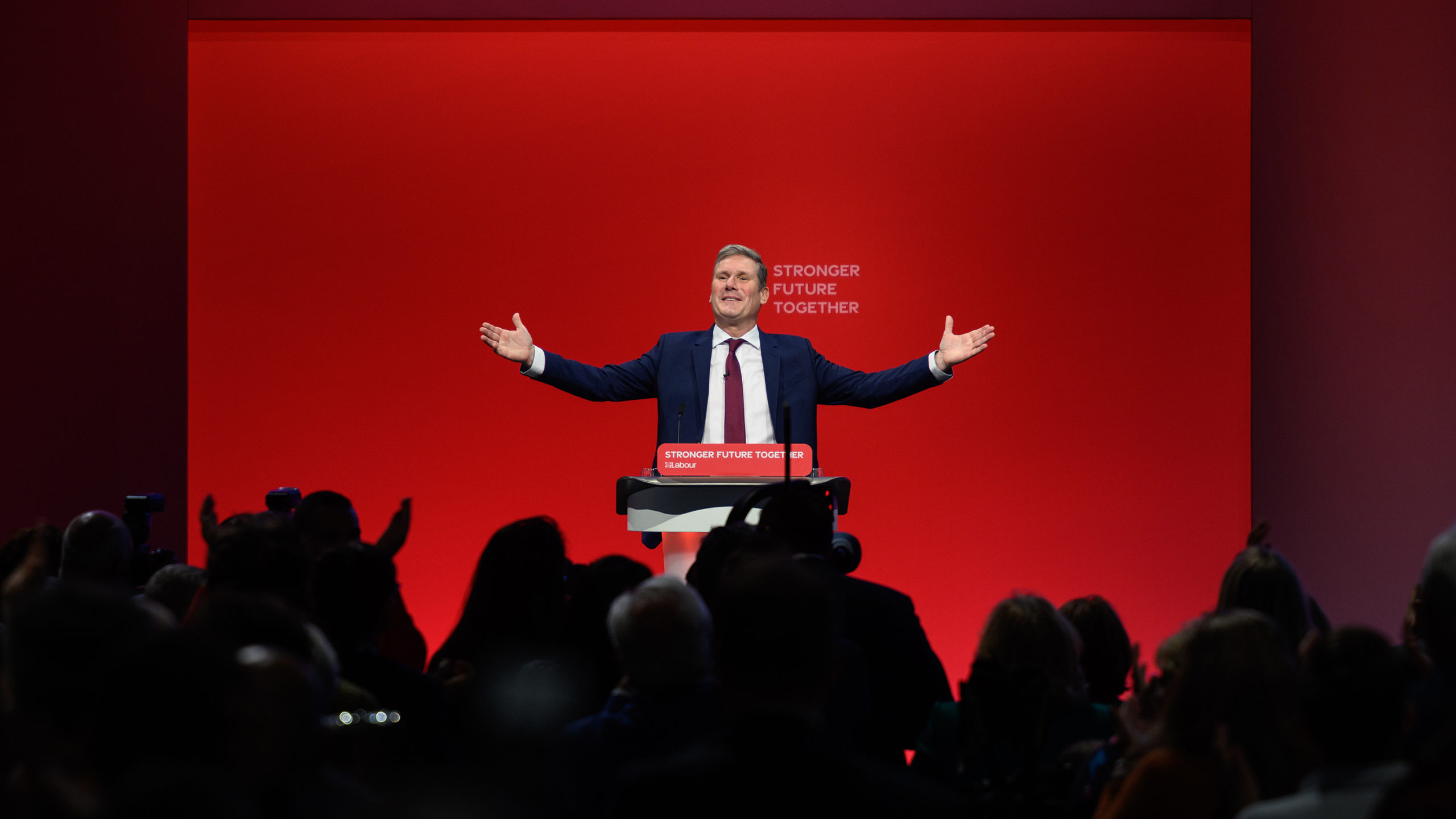
The Labour leader delivered his conference speech yesterday. It wasn’t perfect, but we did learn something about the man and his politics...
Sir Keir Starmer’s first speech as leader to a proper, in-person Labour conference needed, some had been saying, to be the speech of his life. That, it was not – though he spent what seemed like a lot of his life on it. An hour and a half is a long time for even an enthusiast to listen with attention to a political speech; just as 14,000-odd words was too long a pamphlet to expect even a political nerd to read with attention.
That’s true even if you’re a virtuosic orator. Sir Keir is not. His delivery is, for the most part, awkward. He doesn’t have the gift of making what he says sound as if it’s being felt and extemporised rather than learned and read; and when he lurchingly turned up the volume for emphasis you didn’t hear a man fired with passion so much as imagine one dutifully responding to a run of all-caps on his autocue. “THAT IS WHY UNDER ME THE FIGHT AGAINST CRIME WILL ALWAYS BE A LABOUR ISSUE! A LABOUR ISSUE! [Pause for applause.]”
The heckling from Continuity Corbynistas was helpful to him. When you put down a heckler – even if you’ve prepared a line, as Sir Keir doubtless will have – your flow is broken. You’re clearly not reading from a script. When he observed wryly that Wednesday lunchtime was when he usually finds himself being heckled by the Tories at PMQs – “it doesn’t bother me then and it won’t bother me now” – he sounded relaxed and spontaneous.
A second bout of heckling seemed, momentarily, to throw him, but he came back with the rhetorical question: “Shouting slogans, or changing lives, conference?” and reaped enough applause to drown the heckle.
This was an effective piece of political theatre. It will have given the impression to the wider voting public (in fact, arguably, the section of the audience that matters most) that not only does the hard left dislike him, but that in opposing them he has his party squarely behind him.
That was reinforced when probably the most sustained and spontaneous applause in the speech greeted the passage in which, without uttering the dread word “Blair”, he enumerated the achievements of the last Labour government. A similar dynamic was in play when, rather gutsily, he referred directly to the humiliation of the 2019 result without being bottled off stage: “the more we expose the inadequacy of this government the more it presses the question back on us. If they are so bad, what does it say about us? Because after all in 2019 we lost to them, and we lost badly.”
He sounded authentically passionate in what followed, which was at once a covert rebuke to the ideological purity brigade in his own ranks and a feeling expression of his electoral hopes:


