Culture Society, Identity and Belonging

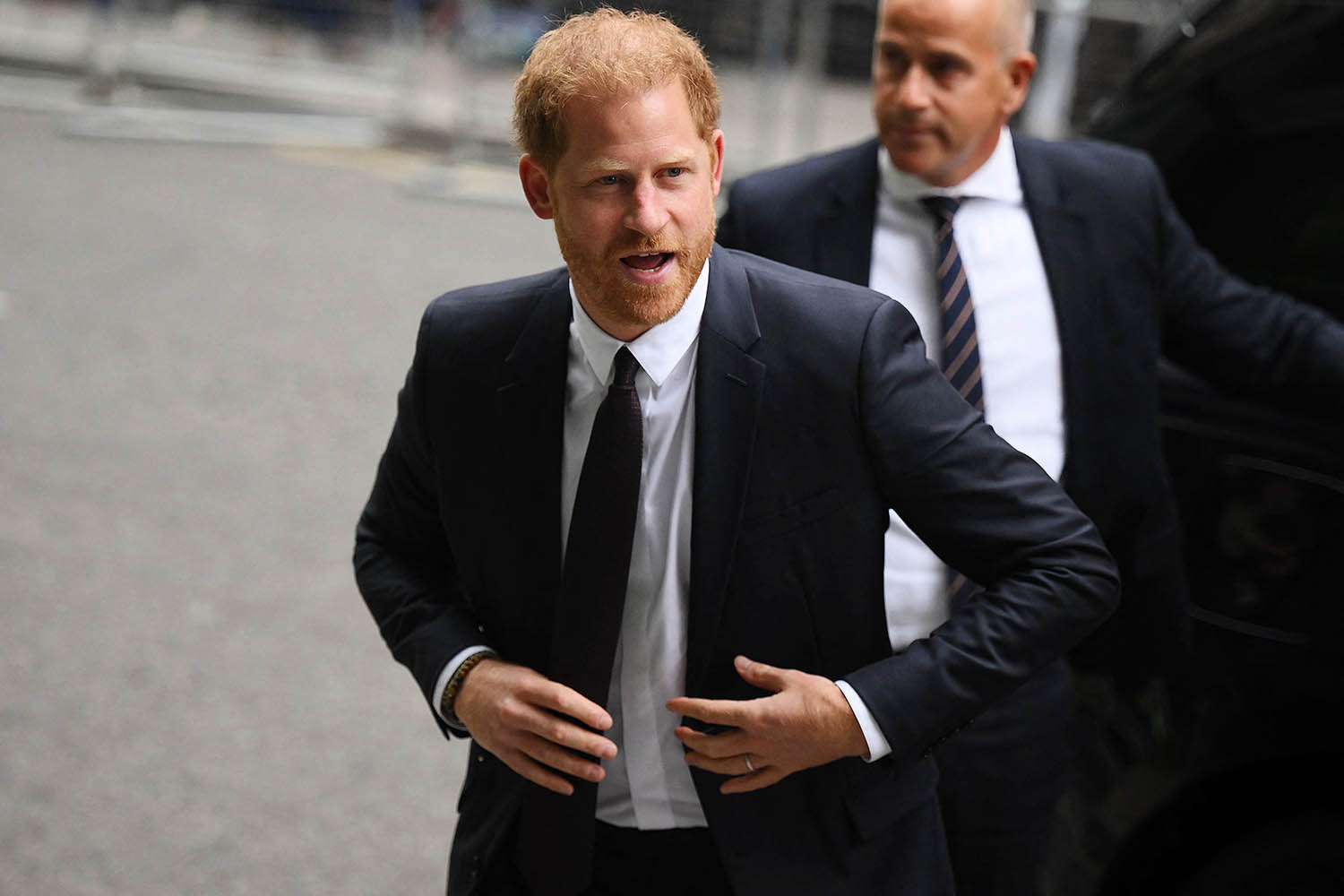
Prince Harry has described his legal action against the press as a “mission”. His father agreed but added a qualifier: a suicide mission, he’s reported to have said. Which will it be?
With two claimants – Prince Harry and Tom Watson – pitted against Rupert Murdoch’s News Group Newspapers (NGN), it could still be both or neither.
It could even be a suicide mission for NGN. The risk to NGN is that the trial, which begins today in the High Court, could unravel a legal strategy that it has followed consistently over years of phone-hacking litigation.
Broadly speaking the company seems to have had two overriding aims: to protect the Sun, while apologising for past sins at the long-closed News of the World, and to stop NGN’s senior executives (especially its CEO Rebekah Brooks) from being dragged into the frame.
Both legs of that strategy are likely to come under severe pressure over the next few weeks in court.
It’s a trial of two halves. The first ten days in court will hear so-called generic evidence. Through a series of witnesses as well as invoices and email trails, the claimants’ legal team will try to paint the backdrop they say existed at NGN 15 or 20 years ago: voicemail interception, blagging of information, surveillance by private investigators, and cover-up by senior executives. NGN have made clear they will deny all of this.
In the second half of the trial – eleven days – first Tom Watson then Prince Harry will take the stage in front of the backdrop that’s been painted. Tom Watson will claim that his voicemails were hacked and that he was subject to surveillance while a member of the Culture, Media and Sport Committee, which was investigating NGN’s forerunner: News International. It’s a claim of politically- and commercially-motivated information gathering, not a trawl for celebrity gossip.
Tom Watson will also bring evidence of an alleged cover-up through the deletion of millions of emails. He will say that this was authorised by senior NGN executives, most notably William Lewis – who’s now the publisher of the Washington Post. NGN says this allegation is “wrong, unsustainable and strongly denied”. NGN says it will be calling “a number of witnesses including technologists, lawyers and senior staff to defeat the claim”.
Prince Harry’s case focuses on information he says was blagged in order for NGN to write 30 articles about him, mainly in the early 2000s but up to as late as 2011. He’d wanted to make allegations of phone hacking as well but the judge ruled that he’d run out of time to bring them to trial. A big plank of NGN’s defence will be that all of this comes too late; that both claimants’ cases should be timed out.
Pre-trial, there’s been a steady focus on the financial risk Prince Harry is running in going to trial rather than settling his claim beforehand as every other phone hacking claimant (except, now, Tom Watson) has done. If Harry’s plan misfires, he could end up £10 million out of pocket.
The risks to NGN have been less well-aired. Having paid out an estimated £1.2 billion to see off about 1,300 claimants before they got to court, the company now faces the prospect of having to defend itself in a courtroom for the first time. If NGN loses – and especially if the Sun and the likes of Rebekah Brooks and Will Lewis are implicated in the wrongdoing that they’ve consistently denied – then that enormous sum will look poor value for money. And the fairly subdued calls for this civil case to be followed by a criminal investigation will grow much louder.


