Our Planet Climate and Geopolitics

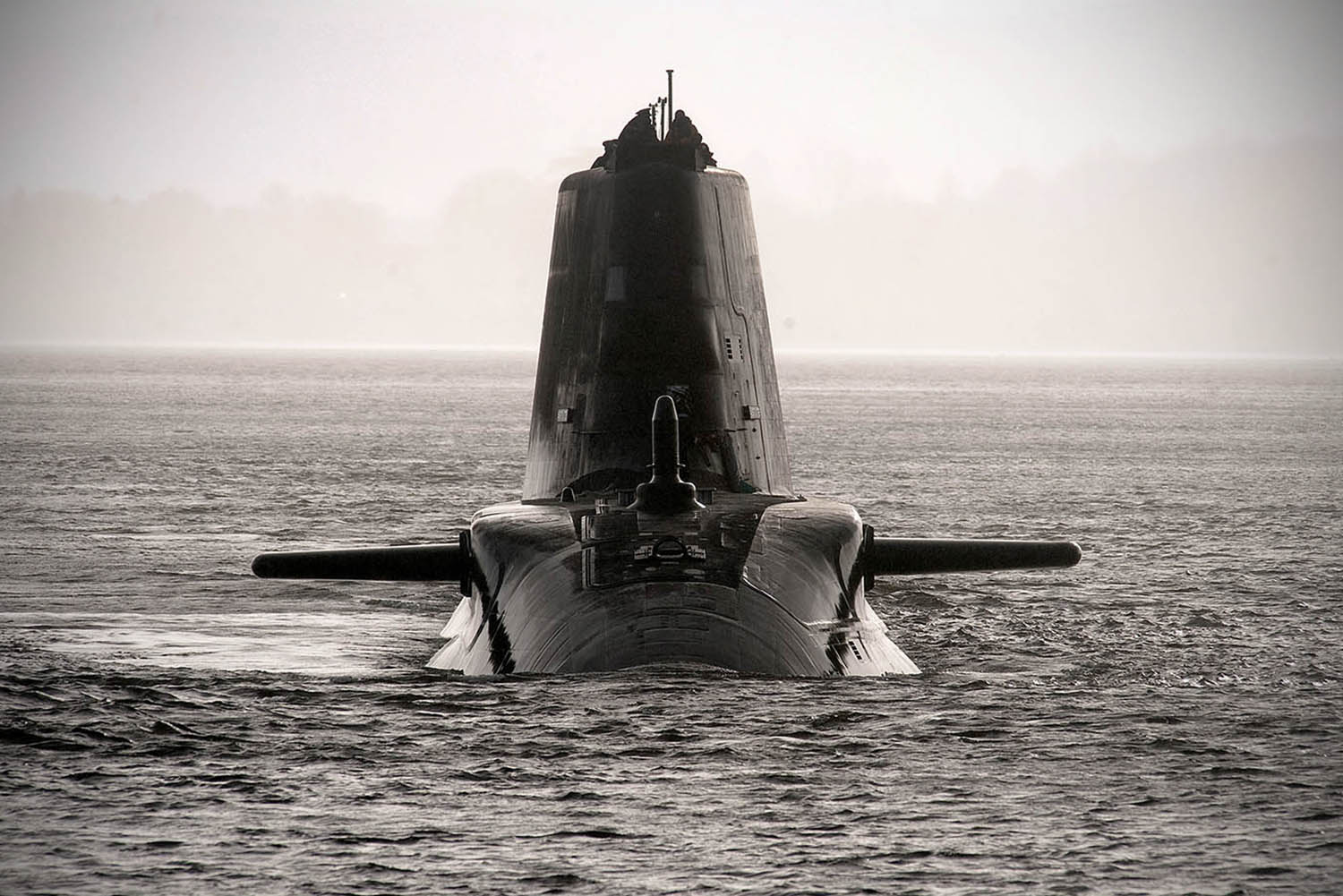
None of the Royal Navy’s attack submarines is at sea, and three of five Astute-class boats have been out of action for more than 16 months, according to an online account that tracks the status of navy and Royal Fleet Auxiliary vessels.
The navy hasn’t denied the claim, which will strengthen arguments being voiced by defence analysts and former senior officers that years of cuts have left the UK’s armed forces critically weakened and incapable of fulfilling even their most basic duty of defending the country.
The ‘Britsky’ update on the navy’s readiness, reported in the Daily Mail, follows a warning from John Healey, the defence minister, that further cuts and cancellations of military projects may be inevitable because the government needs to “get a grip of the public finances”.
Luke Pollard, the armed forces minister, has refused to rule out cutting the £12 billion Global Combat Air Programme (GCAP), also known as Tempest – a joint UK-Italian-Japanese sixth generation fighter programme intended to replace American F-35s.
The Government’s strategic defence review, due to be published in 2025, will compare the merits of GCAP with other major programmes including a joint US-Australian-British project to build a new nuclear-powered attack submarine.
Maintaining funding for such projects won’t be possible without a significant increase in overall defence spending, which at £56 billion a year is currently roughly half what the UK spent in real terms in the later years of the Cold War.
More numbers:
£16.9 billion – current shortfall in UK defence spending
£66 billion – projected cost of replacement ballistic missile submarines and missiles for UK’s continuous at-sea deterrent
2.21 – percentage share of GDP currently devoted to defence
Money is time. The sooner the UK reaches its goal of spending 2.5 per cent of GDP on defence, “the more secure the free world will be in the transatlantic theatre and also in the Indo-Pacific,” Trump’s former national security adviser Robert O’Brien has said, with the clear implication that in a second Trump presidency European security would not be a priority for the US if/when China attacked Taiwan.
Keir Starmer has so far refused to set a deadline for such a spending increase, even though:
- His own new army chief, General Sir Roland Walker, says Britain needs to be ready to fight a war in three years;
- Ben Wallace, the former defence secretary, says it’s only matter of time before Putin turns his “war machine” on Britain; and
- if Ukraine is defeated and the US is unwilling to defend Europe properly, Russia could invade a Nato country within the next three to five years, Justin Bronk of Royal United Services Institute thinks.
Money is a problem. Labour has promised to redirect money to areas such as the NHS and social care, but not to defence. Which is unfortunate since an active war in Europe and an unpredictable America demand substantially bigger budgets, says Olivia O’Sullivan of Chatham House.
… and not just money.
- The UK army is understaffed. “We need to think differently about how we recruit and retain people in the military,” O’Sullivan says.
- The UK may be waiting to see how the Ukraine war progresses and whether Trump is re-elected before deciding on the defence spending increases. But the longer Ukraine has to wait for weapons, the harder it will be to win the war.
A Ministry of Defence spokeswoman said the government would “set out the path to investing 2.5 per cent as soon as possible”. But when?