Technology AI, Science and New Things

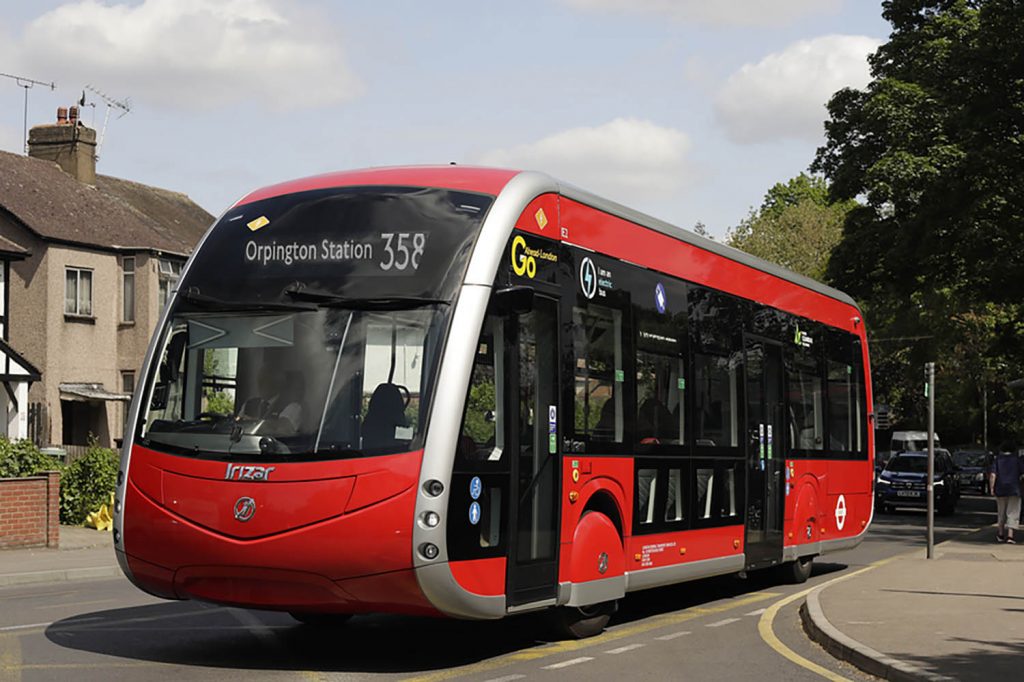
London has a new bus, and it looks like a tram. In the coming weeks, 20 brand new electric “ieTram” buses will start running on the 358 route, from Orpington to Crystal Palace, after a year-long delay. The new bus looks strikingly different from the classic double-decker. Its wheels are mostly covered, to be safer for pedestrians and cyclists, with windows stretching from floor to ceiling. It charges using wireless pantograph technology: at the end of the route, futuristic charging pillars tower over the bus stand, where a charging plate lowers onto a wireless rooftop charger to give a battery boost in ten minutes flat – especially useful for longer routes on which conventional electric buses don’t last. Buses are London’s most popular form of public transport – 1.8 billion journeys were made between March 2022 and March 2023 (half of all bus journeys made in England). To reach climate targets, Transport for London will need to expand its electric bus infrastructure significantly. It currently operates a fleet of 8,700 buses, of which 16 per cent are fully electric.