Capital Economy, Business and Finance
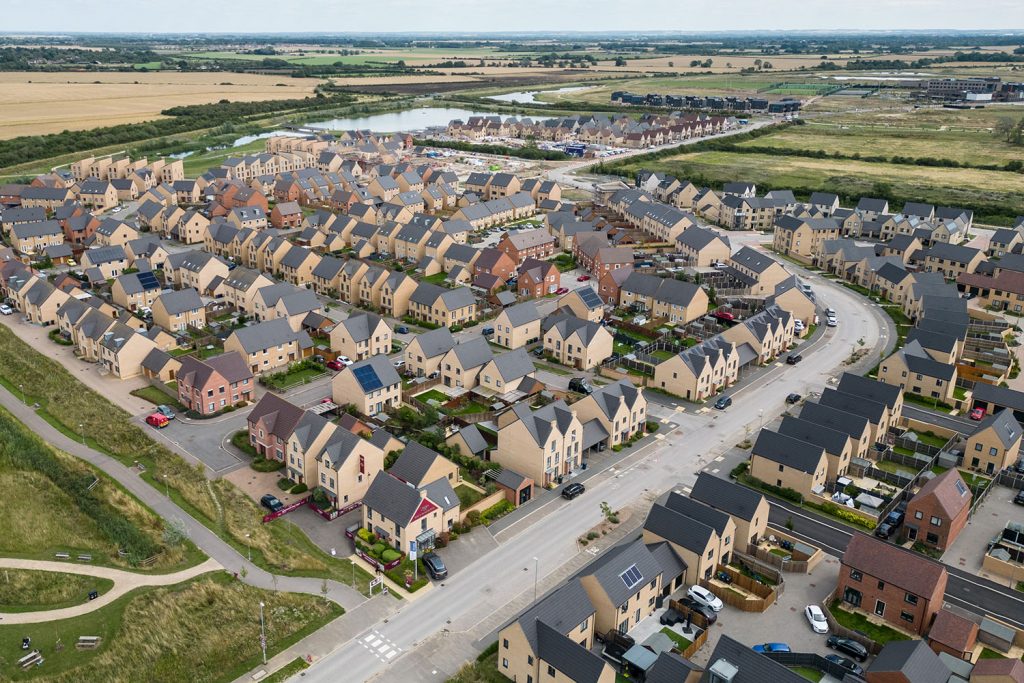
Labour will build 1.5 million homes over the next five years, the new chancellor has vowed, as part of a series of measures designed to boost the UK’s productivity. Giving her first speech in the role, Rachel Reeves said she would overhaul planning restrictions and end the effective ban on onshore wind farms in England in order to speed up national infrastructure projects. A former Bank of England economist, Reeves also reiterated her attempts to attract inward investment, saying: “After 14 years, Britain has a stable government – a government that respects business, wants to partner with business and is open for business.” Central to Reeves’ plan for growth is a series of changes to the country’s planning laws, in an effort to cut through red tape, speed up house-building and improve infrastructure.
That includes:
- Making decisions on key infrastructure projects on a national, rather than local, level.
- Reviewing green belt boundaries to prioritise brownfield sites and identify ugly “grey belt” land, which has until now been protected.
- Giving secretaries of state the right to call in decisions on projects that have been rejected or fallen by the wayside. Angela Rayner, the housing secretary, is already reviewing a handful of bids.
- Recruiting additional planning officers to speed up the planning process.
- Conducting a “spending inheritance” review before a full Budget is held this autumn.
Planning reform is not without controversy, and there will be plenty of people who contest the changes Reeves is looking to make – something she acknowledged in her speech as she said she would not “shrink” from difficult choices. But it is something which unites those on the left (seeking a solution to the UK’s broken housing market) and those on the right (boosting growth through regulatory reform).
It’s something the Conservatives repeatedly failed to do, missing its target of 300,000 homes a year. That level has not been hit since the 1970s.
So it’s one thing to set a new target. The proof will be in the numbers of high quality social housing, whether much-needed services like schools, hospitals and GP surgeries will support them – and how local blockers can be circumvented.
Reeves might not have produced the fireworks her predecessor Gordon Brown set off by making the Bank of England independent in 1997. But her nuts-and-bolts reforms have hit one of the most critical issues to the UK.