Technology AI, Science and New Things

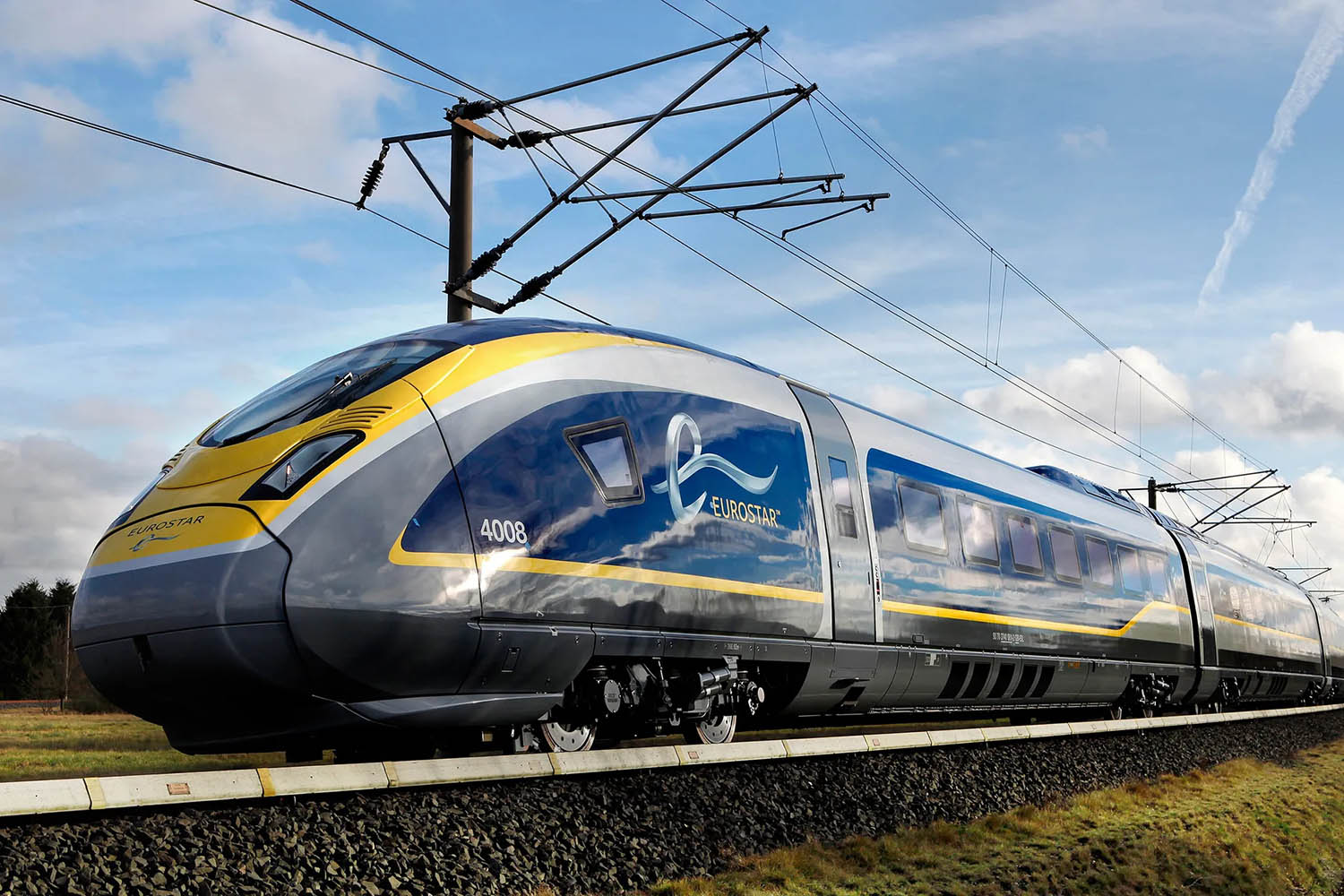
The cross-channel rail operator Eurostar predicts bumper passenger numbers this summer, aiming to carry nearly two million people to Paris for the Olympic Games. The Eurostar Group’s passenger figures have bounced back from Covid, in no small part thanks to last year’s finalised merger with mainland operator Thalys. The group now aims to carry 30 million people in 2030 – more than 11 million more than Eurostar carried in 2023. But the pandemic, lagging railway infrastructure provision and extra Brexit administration means that the UK Eurostar experience is worse than ever, even as passenger numbers rise.
Anyone wishing to get a single train from the UK to the continent can only do so from one railway station: St Pancras International in London. During the journey, they will pass through Ashford International and Ebbsfleet International stations in Kent, whose services were halted in 2020 and never revived, and the misleadingly named Stratford International, which opened before the London Olympics but has never served an international train.
Hoping for a single train to Disneyland Paris? Bad luck. The Disney Express became a lot less “express” when services from St Pancras halted in 2023. Now Disney-goers have to change at Lille. There are only five locations travellers from the UK can reach without having to change: Lille, Paris, Brussels, Rotterdam and Amsterdam.
Capacity too has dwindled. Extra border control checks – compulsory following the UK’s departure from the EU – are hampering operations, thought to take 30 per cent longer than they did pre-Brexit. Some trains leave St Pancras partially empty, even if demand persists. In a 2022 open letter to the chair of the UK’s transport select committee, the former Eurostar CEO Jacques Demas said that Eurostar’s reduced operations are the only reason there are no “daily queues in the centre of London similar to those experienced at the channel ports.”
Things are not about to get better. St Pancras’ international terminal is deemed “severely inadequate” to cope with the introduction of much-delayed entry/exit system (EES) checks to be introduced at the end of this year. These checks require kiosks costing £25,000 each. To cope at peak times, St Pancras might need 50. There are currently 24 – any more would need to be paid for and maintained by Eurostar at an overall annual cost of £2 million. Eurostar’s current CEO Gwendoline Cazenave hopes authorities will allow passengers to log much of the required data ahead of time and out of the eyeline of Border Control agents; the EU is not so sure.
Competitors to Eurostar have appeared as the EU liberalises its railway network. Evolyn has announced it intends to buy 12 high-speed trains to link the UK to the EU. A Virgin Trains revival may also be on the cards. Eurostar’s latest data boasts a 38 per cent increase in passengers on its London-Amsterdam service but work at Amsterdam’s Centraal station will halt thousands of direct journeys for at least six months later this year.