Our Planet Climate and Geopolitics
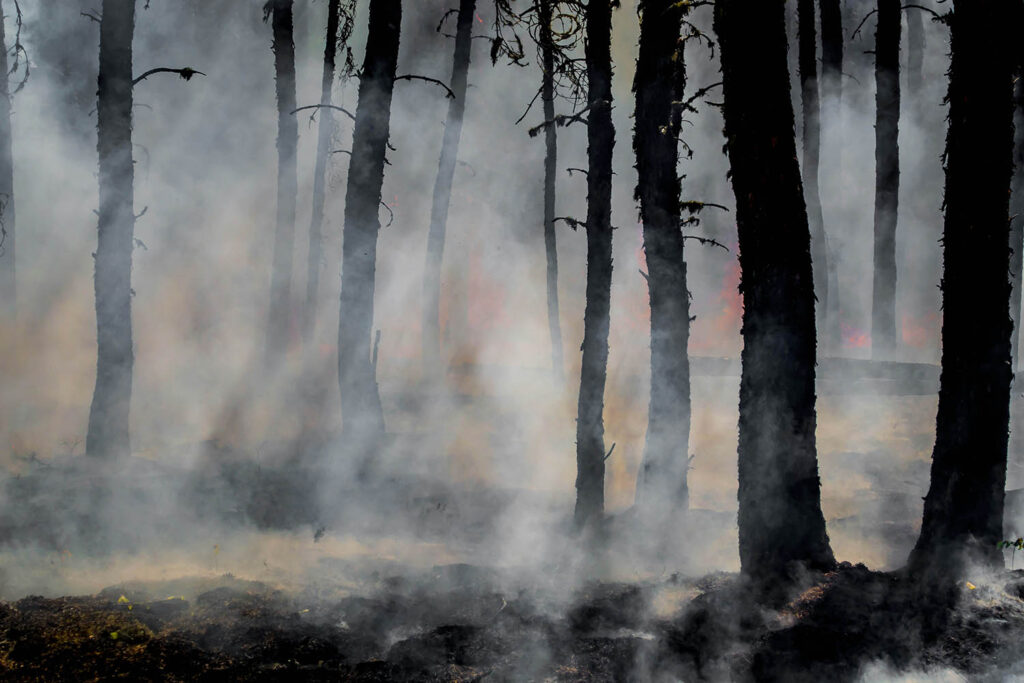
Geologists have thought long and hard and decided humankind’s role in the warming of the planet since the middle of last century doesn’t constitute the start of a new geological era. If it did, Earth would now officially be in the Anthropocene. As it is, it’s still in the Holocene, which began 11,700 years ago with the melting of the big ice sheets that kept the sea level low enough for people to walk across the Bering Strait. A committee of scholars convened by the International Union of Geological Sciences voted on the question last month, and opted for Holocene. Their chair, Jan Zalasiewicz of the University of Leicester, and vice-chair, Martin Head of Brock University in Ontario, weren’t happy and tried to get the vote annulled. Now the union itself has said it will stand. Whether the headlong retreat of glaciers, the shrinkage of polar ice caps and the desiccation and burning of forests and grasslands as a result of anthropogenic global warming count as geological phenomena worthy of a notch on the official planetary timeline is not a small question. The union admits “Anthropocene” will remain in common usage whether it likes it or not.