Our Planet Climate and Geopolitics
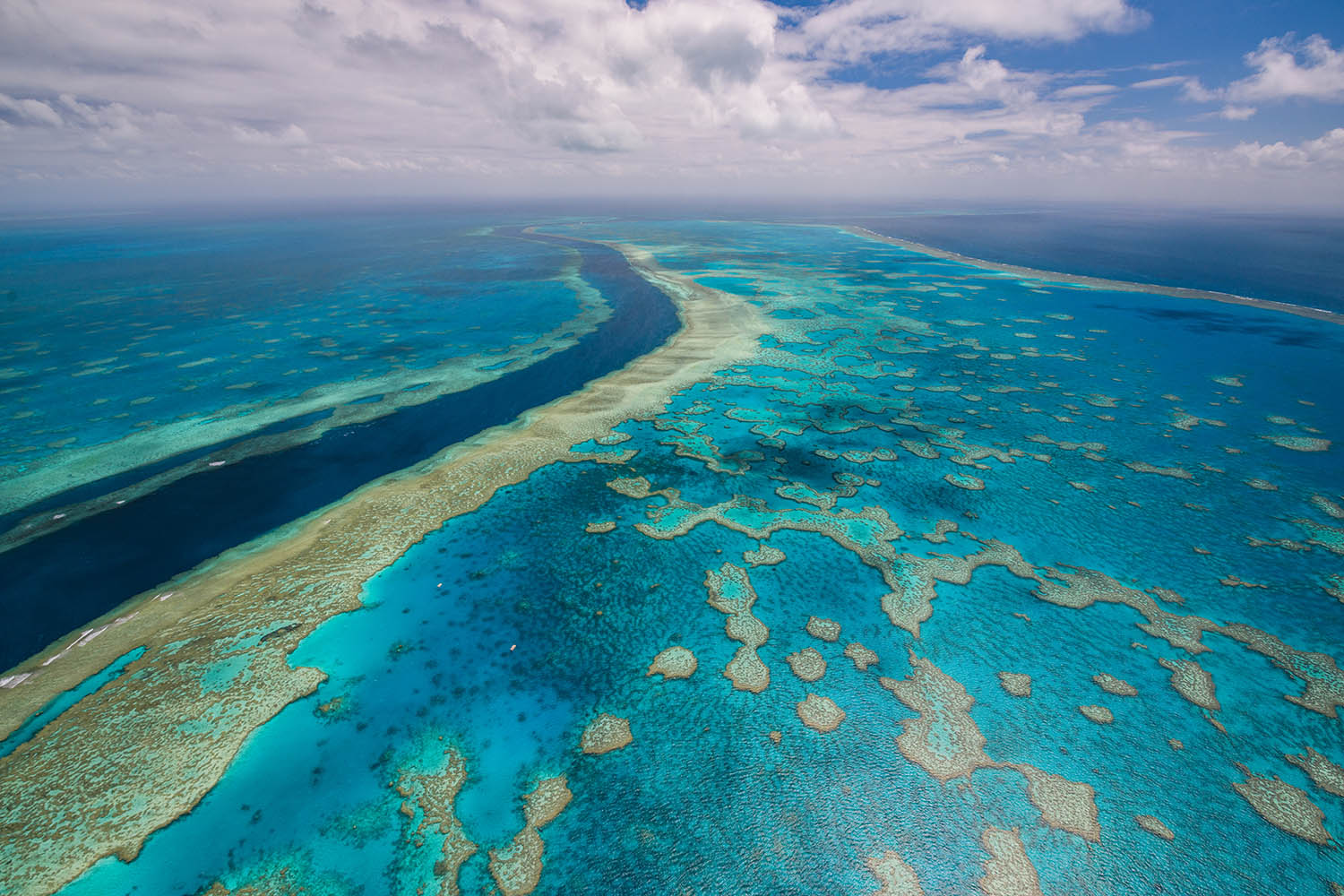
Heat stress on the Great Barrier Reef will likely peak in the next few weeks “at a level above all previous mass bleaching since 1998,” according to coral scientist Terry Hughes. The reef experienced its first “mass bleaching” in 1998 – that’s when coral, because it’s under stress, expels the algae that it relies on for food and turns pale. It doesn’t mean that it is dead, but it’s slowly starving. Since 1998, Australia’s reef has experienced a succession of mass bleachings – no surprise as climate change is warming the ocean and making it less hospitable – and the marine park authority has now declared the latest, the reef’s fifth in eight years. It matters not just because the reef is a tourist attraction, but because reefs feed and provide a nursery for a vast number of other marine species. It’s not confined to the planet’s biggest reef either; US government scientists forecast global coral bleaching this year.