Our Planet Climate and Geopolitics
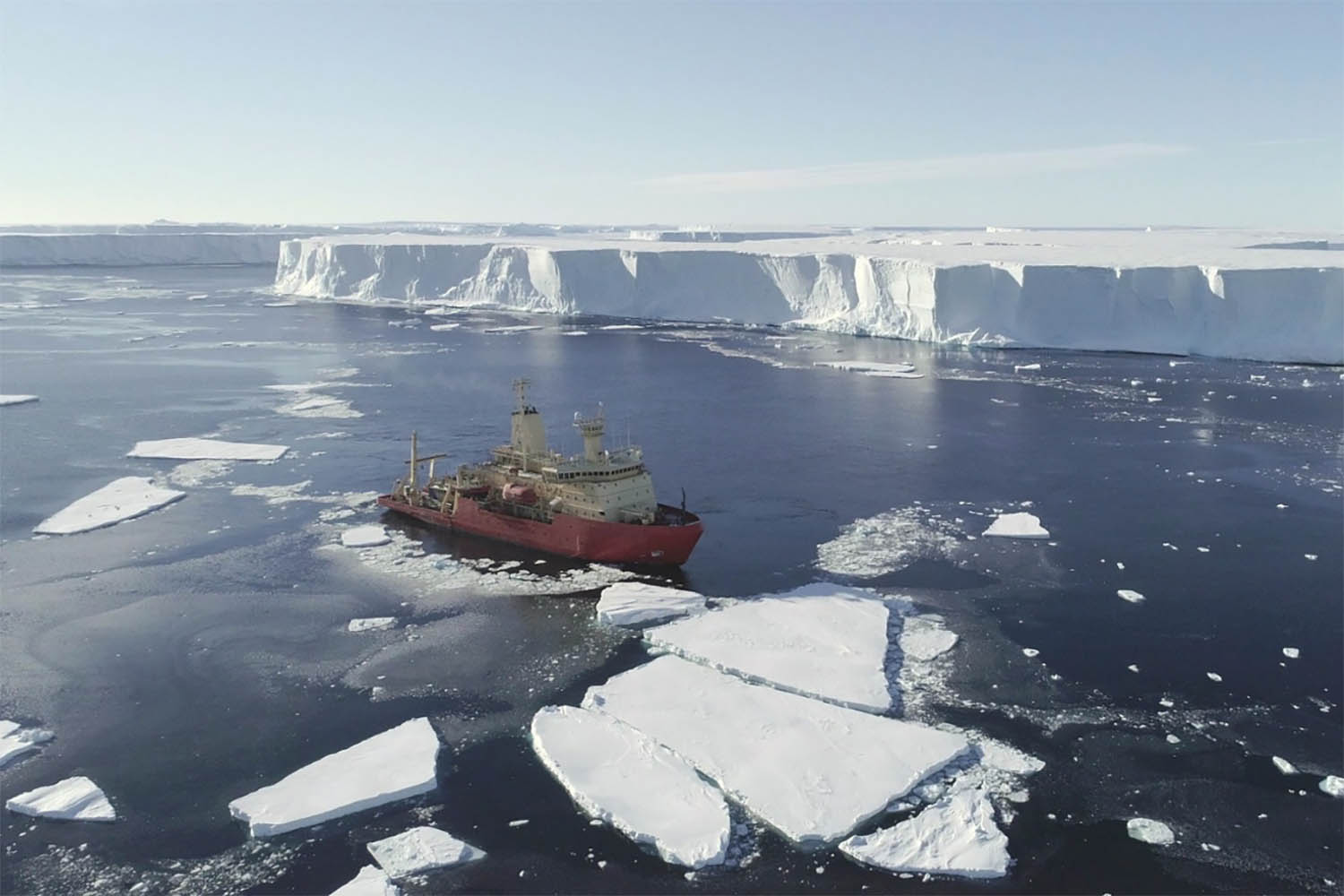
Scientists have shown the rapidly melting Thwaites Glacier – aka the Doomsday Glacier – began its significant retreat in the 1940s. Researchers used seabed sediment cores to write a 12,000-year history of the glacier’s activity. They found that while Thwaites has experienced periodic ebbs and flows, the 1940s marked a decline that tipped the glacier out of balance. We already knew the glacier had been melting since the 1970s, but 80 years of decline paints a markedly different picture. Marine geologist James Smith told CNN that glacial retreats are difficult to stop and can continue for decades despite conditions remaining the same. While the Doomsday Glacier contains enough ice to raise sea levels by 70 centimetres, it acts as a buffer between warming oceans and the West Antarctic Ice Sheet. The collapse of this sheet could lead to a three-metre rise in the sea level.