Culture Society, Identity and Belonging

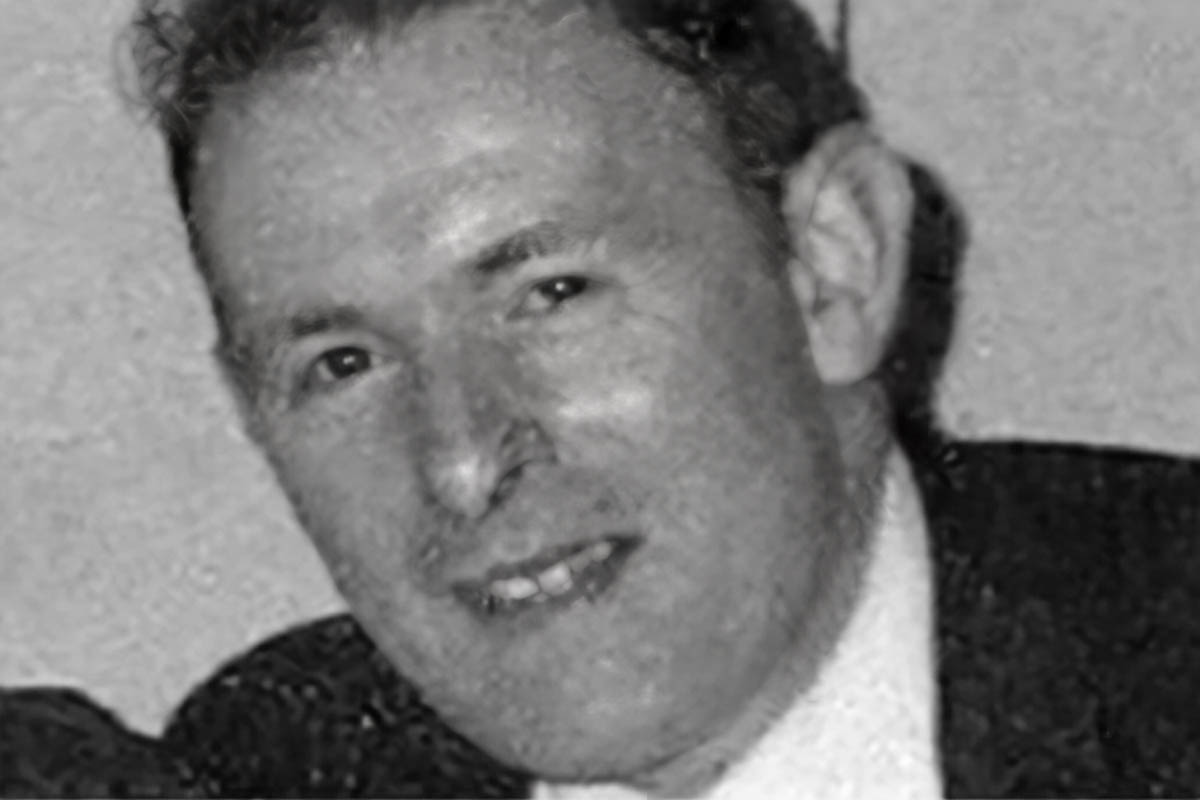
A former British soldier will be charged with murder after the shooting of a 44-year-old man during the Troubles in Northern Ireland over 50 years ago. Patrick McVeigh, a father-of-six, was killed after he was shot at from a car on a west Belfast street in May 1972.
The veteran, known only as Soldier F, will also be prosecuted for the attempted murder of four other people in the same incident. Soldier F is not the same person involved in any previous or ongoing prosecutions related to events in Northern Ireland.
Along with three other former soldiers, he is also being prosecuted for the attempted murder of two people the day before McVeigh’s death. As the decision to prosecute has already been taken, it will not be affected by the controversial Legacy Act which comes into force later in 2024, which grants conditional immunity from prosecution in Troubles cases.
The four veterans were part of the Military Reaction Force (MRF), a shadowy undercover unit that consisted of about 40 soldiers based in west Belfast over a period of around 18 months.
After a BBC Panorama programme in 2013 broadcast claims by purported former MRF members who spoke about their alleged conduct at the time, the Public Prosecution Service (PPS) referred the case to the Police Service of Northern Ireland (PSNI). The PSNI’s legacy investigation branch investigated the MRF, and sent two files to the PPS in 2020.
Alongside the prosecution of the four former soldiers, the PPS also announced this week that there was not enough evidence to charge two former soldiers over the killing of 18-year-old Daniel Rooney in September 1972.
McVeigh’s daughter, Pat, told BBC Radio that the family has been “in limbo” for 50 years and said the case should have been taken to court in the 1970s.
It’s been over 50 years since McVeigh’s death – and it’s also over 50 years since Ireland took a case against the UK government to the European Court of Human Rights.
Leo Varadkar, the Irish taoiseach, said Ireland was suing the UK “with a sense of regret”, but said the nation was sticking by its commitment to support victims’ families and survivors of Troubles-era violence.
Ireland argues the act is out of step with the European Convention on Human Rights and the Good Friday Agreement. But the UK’s Northern Ireland Secretary, Chris Heaton-Harris, called Ireland’s move “misguided” and suggested the Irish government had failed “to pursue a criminal investigation and prosecution-based approach” to Troubles cases.
Northern Ireland’s main political parties, Sinn Fein and the Democratic Unionist Party (DUP) – as well as some victims’ groups – oppose the act. It has however generally been welcomed by veterans’ representatives.
The majority of Troubles-era cases remain unresolved. As of May 2022, the PSNI’s historical enquiries team had a legacy caseload of over 900 cases, involving nearly 1,200 deaths.