Capital Economy, Business and Finance
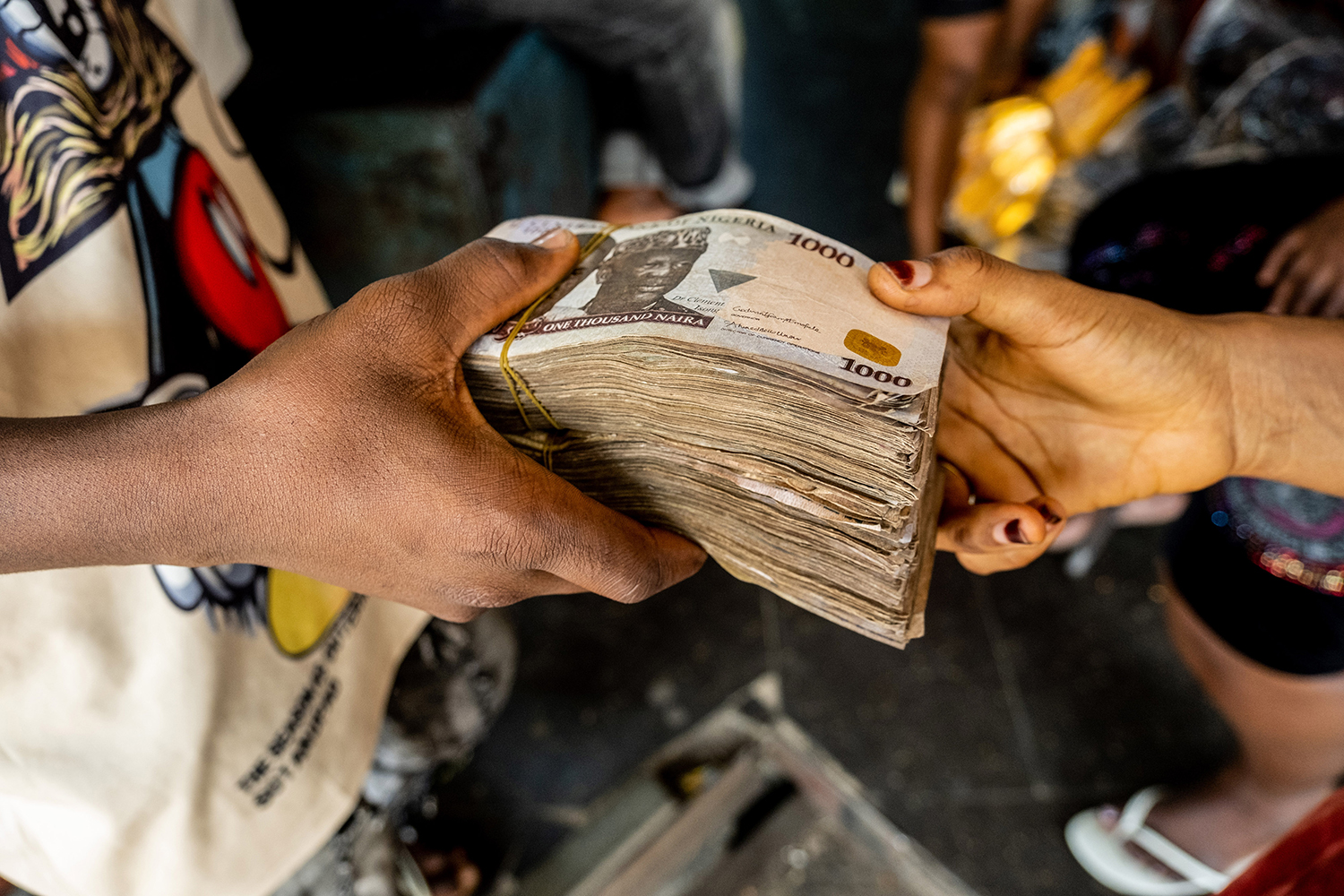
Nigeria’s currency plunged this week by 40 per cent in relation to the dollar, leading to a summons to the Senate for the country’s central bank governor. This monetary drama is nothing new to Nigerians. A month after taking office in May 2023, President Bola Tinubu had fired his central bank governor and scrapped the official currency peg of 461 Naira to the dollar. Two weeks later, the currency had devalued by nearly half. If this sounds familiar, Argentina’s President Javier Milei performed a similar manoeuvre in December. In the short to medium term these devaluations raise inflation and inflict severe pain on businesses that rely on imports, though some macroeconomists say devaluation can lead in the longer term to monetary stability and accelerated GDP growth through cheaper exports and greater foreign investment. While the Nigerian tech sector is thriving, the overall economy grew slower in 2023 than in 2022. Tinubu is seeking to please international capital by righting the ship, but the question remains how much water he, and other monetary reformists, can take on in the meantime.