Capital Economy, Business and Finance
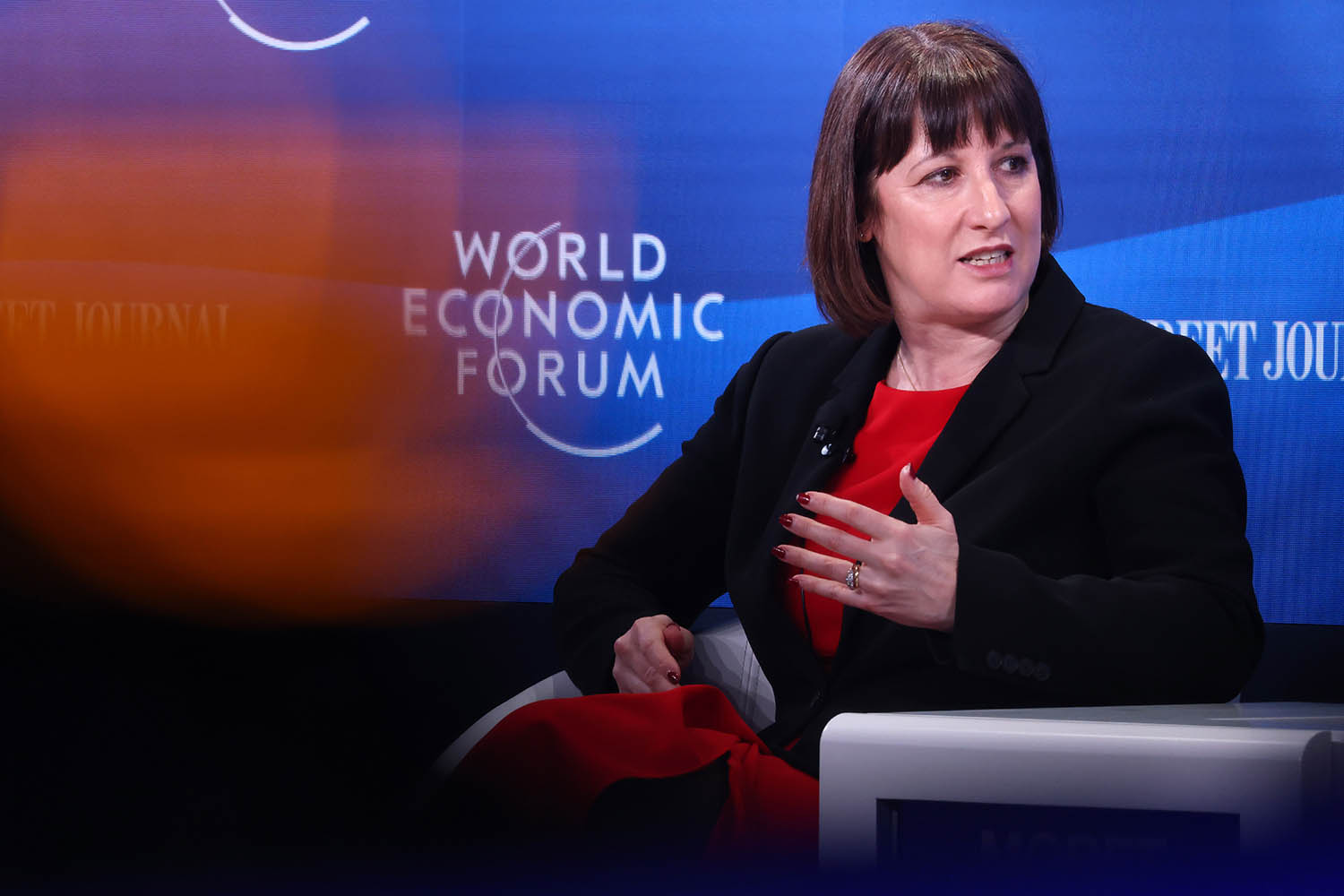
One reason the UK’s Labour Party is neuralgic about spending promises is that the Conservatives will use them against it on the campaign trail. Here’s another: there’s no money. The UK’s national debt has grown from 50 per cent to nearly 100 per cent of GDP since the 2008 crash and the sharp rise in interest rates in the past two years (from a base rate of 0.1 per cent in December 2021 to 5.25 last month; a roughly 50-fold increase) has added about £50 billion to the country’s annual debt service costs. That’s about the same as the defence budget. The numbers are from a new report by the Institute for Fiscal Studies on constraints and trade-offs for the next UK government. The context is a Labour pledge to invest £28 billion in green jobs and the energy transition; and Tory plans to cut taxes in the March budget. Neither will be possible without trade-offs, and the IFS’s Paul Johnson is begging leaders to be honest about them. Insofar as voters are thinking about policy, they seem to favour green investment over tax cuts: Labour’s poll lead as measured by YouGov widened last week to 27 points.