Sensemaker Daily

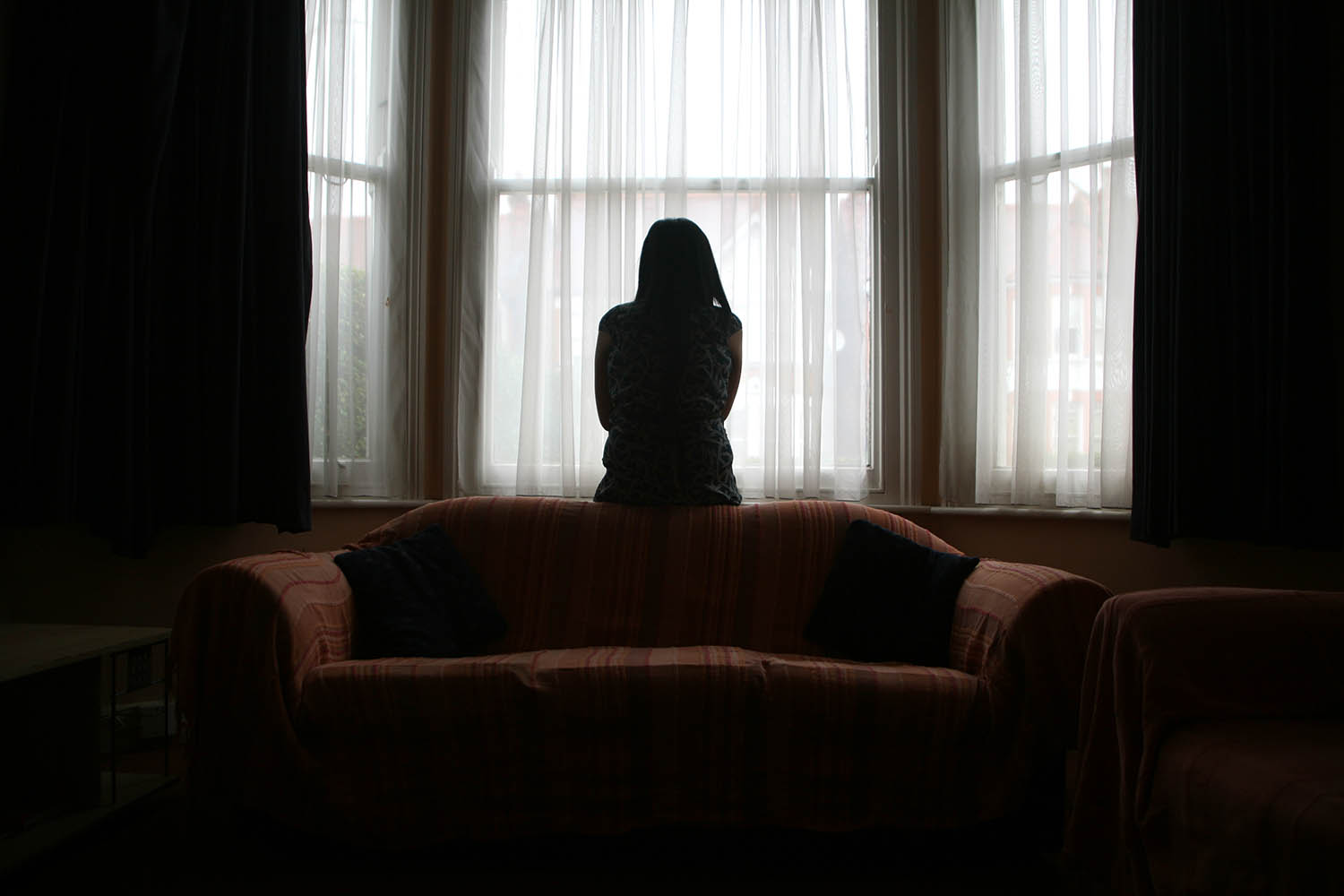
Two women suffered severe injuries after Wiltshire police failed to reveal their partners’ history of abusive behaviour. How was this allowed to happen?
Clare’s Law enables people in the UK to ask local police if their partner – or that of a family member or friend – has a history of domestic violence. If they have, the police can share it with the person at risk. It was rolled out in 2014 as the Domestic Violence Disclosure Scheme, and became law in 2021.
So what? In a disturbing number of cases, the police are not fulfilling their side of the bargain:
they do not respond to applications, or they return misleading information. In Wiltshire, a review has found that at least two women suffered severe injuries – one rape, one stabbing – after the local force failed to reveal that their partners had previous form in violence against women.
The context: women are twice as likely as men to be the victims of domestic abuse. In the year to March 2022, an estimated 1.7 million adult women in the UK – 7 per cent of all women – experienced domestic abuse.
- In the same year, 22,435 people invoked Clare’s Law – named after Clare Wood, who was murdered by her ex-boyfriend in 2009 – to ask about a partner’s record.
- Police provided information in 8,383 of those cases – an increase of 7 per cent on 2021 and 14 per cent on 2020.
- Catherine Roper, the new Wiltshire chief constable, has called what happened in Wiltshire a “catastrophic service failure”, and there are signs it was the result of institutional misogyny.
The Wiltshire case. Wiltshire is a rural and largely Conservative county, with clumps of deprivation amid paddocks of relative affluence. Last September, Wiltshire Police referred itself to the Independent Office for Police Conduct (IOPC) because of concerns over how its Clare’s
Law applications were handled. A review completed last week identified 25 “failures of service”: 25 people who were not given details of a partner’s violent history and could have – and in some cases did – suffer as a result.
What went down? One man was responsible for processing all of Wiltshire Police’s 3,582 Clare’s Law applications between April 2015 and August 2023. Questions about his work were first referred to the IOPC in 2020, when a woman was badly beaten by her partner, an extra on Peaky Blinders, after her Clare’s Law request gave him a clean bill of health; it later transpired that he’d been convicted of assaulting at least three women.
- The man responsible, who has not been named, was referred to the IOPC again in 2021. Again, no disciplinary action was taken. He was suspended in September 2023 pending yet another IOPC investigation, which is still ongoing. The previous three chief constables of Wiltshire were all at some point under investigation for official misconduct, either over their behaviour towards female colleagues, or relating to their actions when overseeing cases of violence towards women.
- There were five allegations of officers committing violence against women awaiting Roper’s attention when she arrived in post. She sacked two of the officers involved; the other three had already resigned.
- Clare’s Law was brought in without any accompanying increase in funding. Yet prevention usually brings savings: a Home Office report of 2018 estimated that a murder costs society over £3 million.
Known unknowns. The Wiltshire numbers have only come to light because of the review. Questions it prompts but doesn’t answer include:
- Was there a pattern to the sort of cases that received no response?
- Why was one man responsible for every case?
- Where was the oversight?
- Why didn’t the IOPC pick up on it?
- How will this affect confidence in the police?
- How many other forces across the country are playing similarly fast and loose with people’s lives?
Teachability. Just as the Casey Report revealed institutionalised racism, misogyny and homophobia at the Met, Wiltshire Police’s dismal failure to uphold Clare’s Law may have important lessons about police culture nationally and how it impacts the way forces police domestic violence and abuse.