Our Planet Climate and Geopolitics
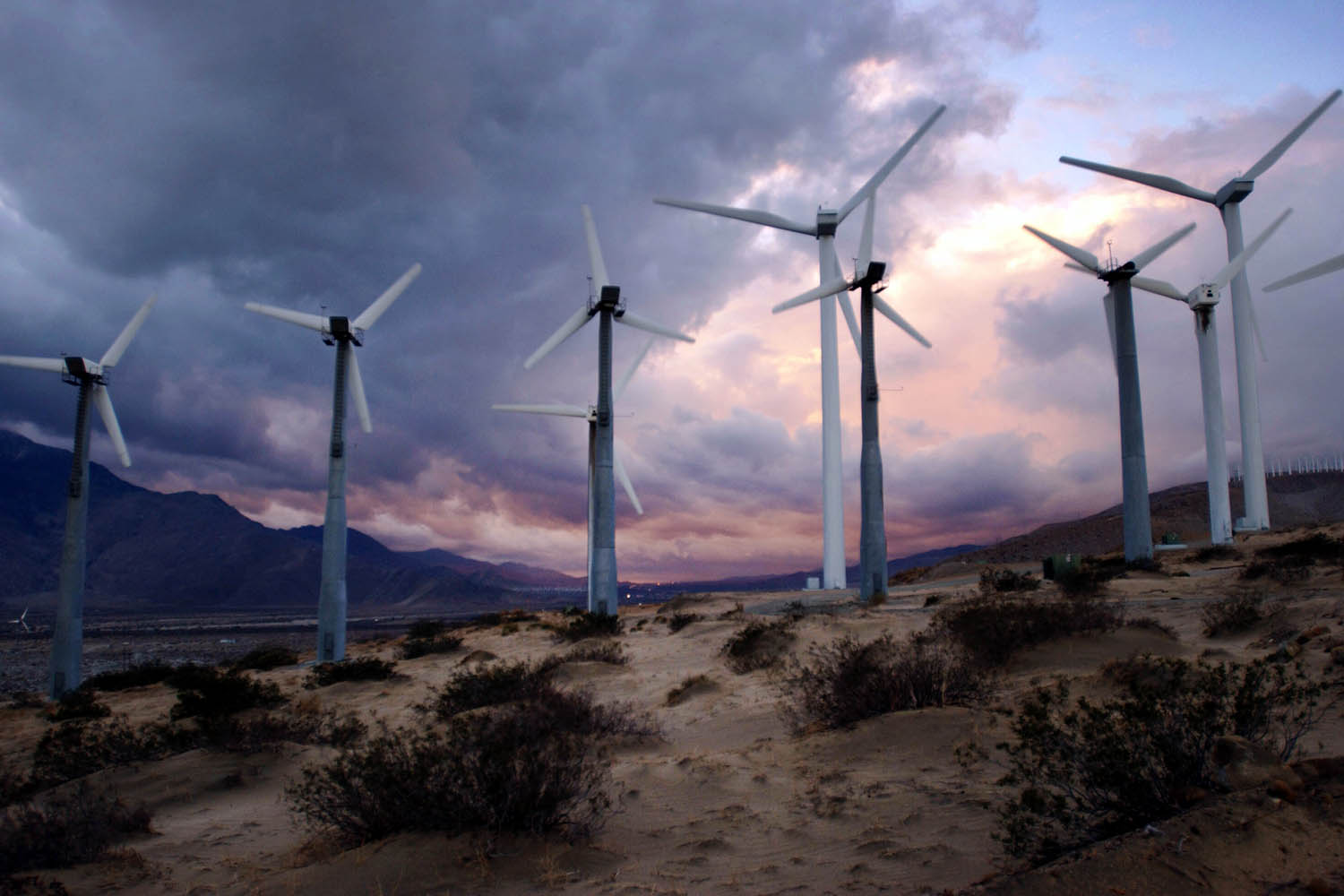
Climate misinformation on YouTube has shifted from outright denial to sowing doubt about climate science and solutions, according to analysis from the Centre for Countering Digital Hate, an NGO. Analysis of more than 4,000 hours of YouTube content since 2018 found that straightforward denial had dropped from 65 per cent to 30 per cent of climate-related claims. Instead, climate-sceptic language has turned to undermining confidence in solutions, such as claims that wind farms damage the environment. YouTube makes up to $13.4 million a year from ads on channels that have posted climate denial content, the CCDH report said. A YouTube spokesperson said its policy prohibited ads from running on content that contradicts “well-established scientific consensus”, but said debate on climate topics was allowed.