Sensemaker Daily

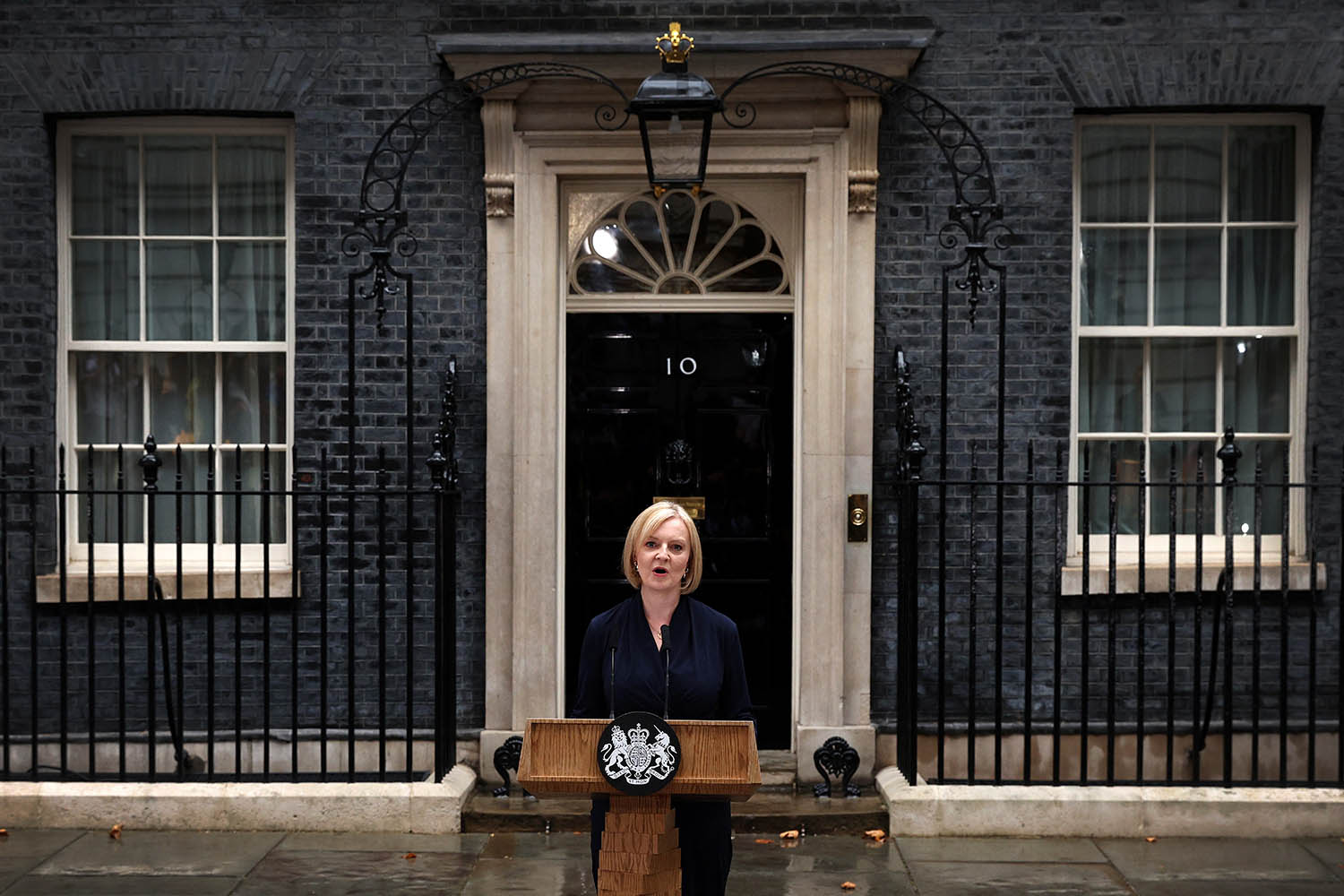
A High Court judge in the UK has denied Tortoise’s bid for judicial review of the Conservatives’ leadership election process – while acknowledging the public’s right to more information
The Conservative Party is a private members’ club that does not need to provide any information to the public about the membership that elects the party leader and prime minister or how the election is run, the High Court has ruled.
So what? Six of the last nine prime ministers – Major, Brown, May, Johnson, Truss, Sunak – were ushered into Downing Street by their parties, not the public. Three ran the country without ever winning a general election.
The High Court’s ruling highlights – and preserves – the secrecy surrounding elections like the one that saw Liz Truss succeed Boris Johnson last year.
Tortoise Media sought a Judicial Review of the Conservative Party’s conduct of that election on the grounds that, although the party is a private organisation, it serves a public function when running an election that chooses the prime minister.
Mr Justice Fordham rejected that argument today.
- He ruled that the Conservative Party was not subject to JR because the prime minister is appointed by the sovereign on the advice of the outgoing prime minister, and because the new PM can then be voted out by MPs.
- However, he recognised that in practice this means the public has no means of knowing who chooses the prime minister mid-term and whether the election is safe or fair.
- This, he recognised, is arguably a failure of information rights in the UK.
Judge Fordham concluded that Tortoise’s bid for JR “lacks viability because its public function premise is unsustainable”. In other words, he accepted the argument that how the Conservatives choose their leader is a private matter even if that person immediately becomes prime minister. But he accepted that if there was an injustice in the system, “it is really a function of the limits of the law on information rights”.
These are rights recognised in Europe but not tested or proved in the UK. The judge suggested that parliament might look to take responsibility for oversight of party elections leading to the appointment of a new prime minister mid-term, to ensure the public has a means of knowing who chooses the PM and how the process is run.
Background. Tortoise had asked the party for anonymised information about its membership, not for members’ names. The request followed concerns expressed by GCHQ, the government intelligence and security agency, about the integrity of the party’s leadership election process. Tortoise also tested the party’s vetting process by signing up two foreign nationals, a fictitious person and a pet tortoise – Archie – as voting members; no checks were made.
Open. The case for JR tested two issues of principle, according to Alan Payne KC, counsel for Tortoise:
- the idea that political parties can have a public function; and
- the idea that transparency and accountability are vital for public confidence in the electoral system.
Lord Sumption, the former Supreme Court justice, has called the Conservative Party’s current leadership election process “a constitutional travesty”. William Hague, the former party leader, says the process is discredited and carries wider lessons for democracy.
Shut. The party’s argument, which the judge upheld, was that as a private members’ association its leadership election process is also private and one in which the court has no right to intervene.
For the record: the last time a British sovereign exercised personal discretion in the appointment of a prime minister was in 1834.
Further reading:
- The judgment by Mr Justice Fordham.
- The arguments: Tortoise v the Conservative Party and the Conservative Party’s defence.
- “Our political parties are Rotary Clubs that occasionally choose the prime minister.” James Harding on the story behind today’s ruling.