Sensemaker Daily

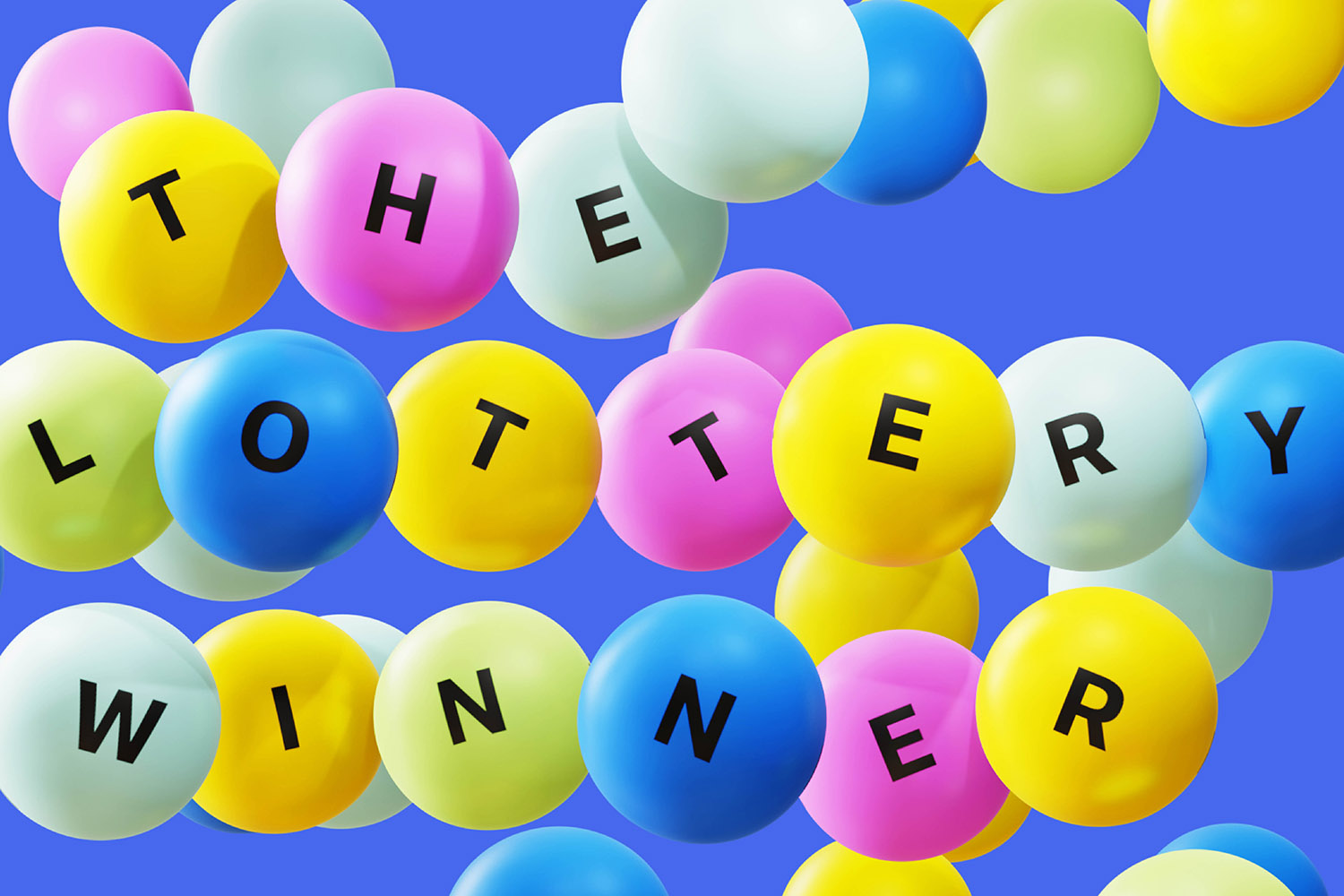
The Czech billionaire now in charge of Britain’s National Lottery is in a joint venture with Gazprom and owned an oil terminal in Russia for months after Vladimir Putin invaded Ukraine.
So what? The licence to run the National Lottery is one of Britain’s biggest public contracts, worth £6.5 billion to the operator – and intended to raise tens of millions of pounds for cultural projects and charities.
Karel Komárek’s company, Allwyn, won the fourth Lottery licence on 15 March 2022 – less than three weeks after the invasion of Ukraine. While Komárek and Allwyn publicly condemned Putin’s war as senseless, brutal and barbaric, he retained links to Russian interests, including
- a gas storage unit in the Czech Republic’s Moravia region that is half-owned by Gazprom, a Kremlin-owned energy company that has been sanctioned by the British government; and
- an oil terminal in Russia’s Samara region.
Company records and a statement from Komárek’s lawyers at Schillings state that he divested from the Russian oil terminal – on 19 September 2022. That is, half a year after winning the National Lottery licence and seven months after the invasion of Ukraine. The divestment was by means of selling the oil terminal to a recently-former employee of Komárek.
Komárek’s joint venture in Moravia is still half-owned by Gazprom. Komárek’s representatives told the Gambling Commission, which ran the National Lottery licence competition for the government, that he’d divest from the joint venture before or shortly after the competition by selling his half to the Czech government.
Lawyers for Komárek now say the plan is to dilute Gazprom’s shareholding from fifty to three per cent by issuing new shares for him to buy. But this hasn’t happened yet – and hasn’t even received regulatory approval.
The Gambling Commission says it ran a fair, open, and robust competition, adding that it conducted additional due diligence on bidders’ exposure to Russia. Freedom of Information requests revealed that this additional due diligence consisted of a letter the commission sent to bidders a day after the invasion, asking them whether they’re impacted, or will be, by Russia sanctions.
Senior executives from the commission told the parliamentary committee that oversaw the competition they expected Komárek to divest from the Gazprom joint venture within days.
- That was on 30 June 2022.
- They also told the MPs Komárek had already divested from the Samara oil terminal.
The commission did not explain how it appears to have missed Komárek’s ownership of the oil terminal until even after that committee hearing – a fact easily ascertained from Dutch, Czech, and Russian company records available online – or whether it asked for an update on the Gazprom joint-venture.
This raises the possibility that Komárek could start making a profit from selling lottery tickets in the UK while still linked to Gazprom.
Clive Efford MP, who sits on the parliamentary committee, says: “That would be astonishing because the select committee would have been misled, whether inadvertently or not. We would have to investigate, but I think that that really does raise questions that need to be answered.”
And… Komárek has been in the news before – two decades ago. A report on him by Hakluyt, a private intelligence firm set up by former MI6 staff, was sent, by freak accident, to Komárek himself. He sued Hakluyt’s client, a British energy company, for libel.
The allegations in the report – which the client didn’t seek to defend and the High Court presumed to be untrue – included one that Karel Komárek’s father had hired a Ukrainian hitman to murder a business partner, who was a former Slovak politician; and that the Komáreks had forced the man to sign over assets worth millions of pounds.
The Komareks say unequivocally that the allegations were “entirely false” and that they were never contacted by any police or any investigative authorities about them.
Elsewhere. More than 1,000 companies have curtailed operations in Russia since its invasion of Ukraine, according to a list maintained by the Yale School of Management. This includes 535 listed as having made a “clean break”. Allwyn is not included in any of the list’s five categories.