
Food prices in the UK fell month-on-month for the first time in two years, although fuel price increases kept overall inflation “sticky” at 6.7 per cent, according to the latest UK inflation figures. On Tuesday, separate figures did show wages had outpaced inflation for the first time in almost two years over the summer.
But the UK’s poverty crisis goes far deeper than one round of ONS figures can cover – a new report from University College London Policy Commission, produced in partnership with Tortoise Media, shows how short-term policy responses to the cost of living crisis and the pandemic have not been sufficient to address the scale and nature of the problem.
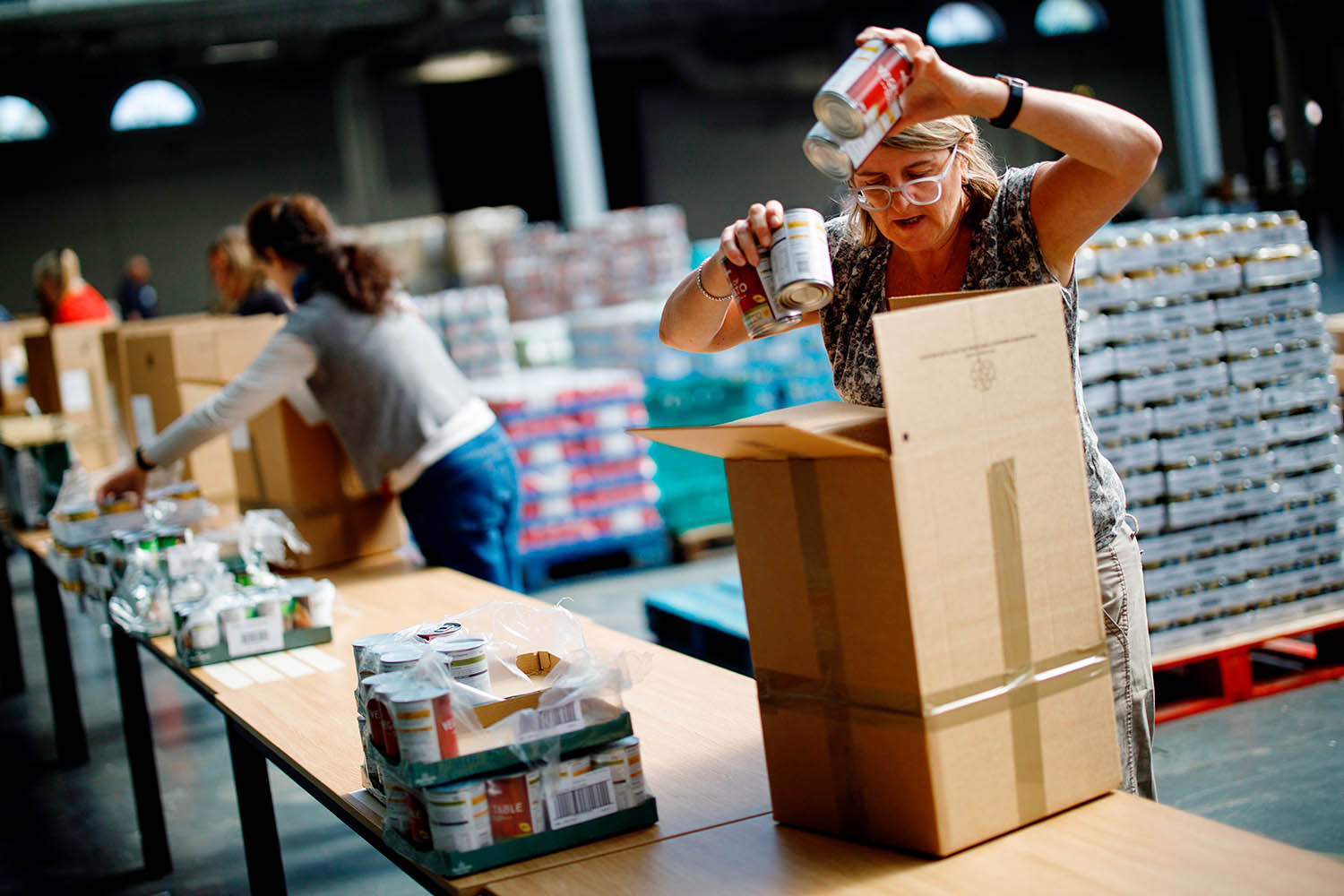
Britain’s biggest food bank network warned this week that it is expecting its worst-ever winter, with more than 600,000 people likely to need support.
The UCL report, The Cost of Living Crisis: All In It Together?, brings together testimony from central and local government, academics and the third sector to highlight a number of areas that need to be addressed by policymakers to more effectively support UK households.
Ann Phoenix, a professor of psychosocial studies at the UCL Institute of Education, said that raising living standards should be seen as a long-term investment in the UK “rather than being a short-term drain related to capital expenditure”.
The report also alerts policymakers that:
- the government does not have an effective way of gathering and sharing the necessary data to inform policy decisions;
- too many policies are formed to deal with the emergency rather than the long-term causes of poverty;
- problems such as the lack of affordable childcare and poor quality and expensive housing have different impacts on those living in poverty, but have not been addressed through economic policy responses; and
- “one size fits all” policies are ineffective. Instead, policies should be created based on how different people are experiencing poverty.
Katie Watts, head of campaigns and policy for Money Saving Expert, said the report “validates” what her team are witnessing every day from people slipping deeper into poverty.
The National Energy Action charity says that about six and a half million people will be living in fuel-poor households. “Not only this winter are people going to struggle so much worse than last winter because they won’t have [the same government] support… but the long-term nature of the energy market is broken”, said Watts.
Andy Haldane, the Bank of England’s former Chief Economist, said the cost of living crisis isn’t a one-off: “We have seen now over a sequence of years, shocks, [often] global shocks in their origin.” That the UK has been hit disproportionately by these shocks: “is not simply the result of bad luck, but about protracted bad management,” he added.