
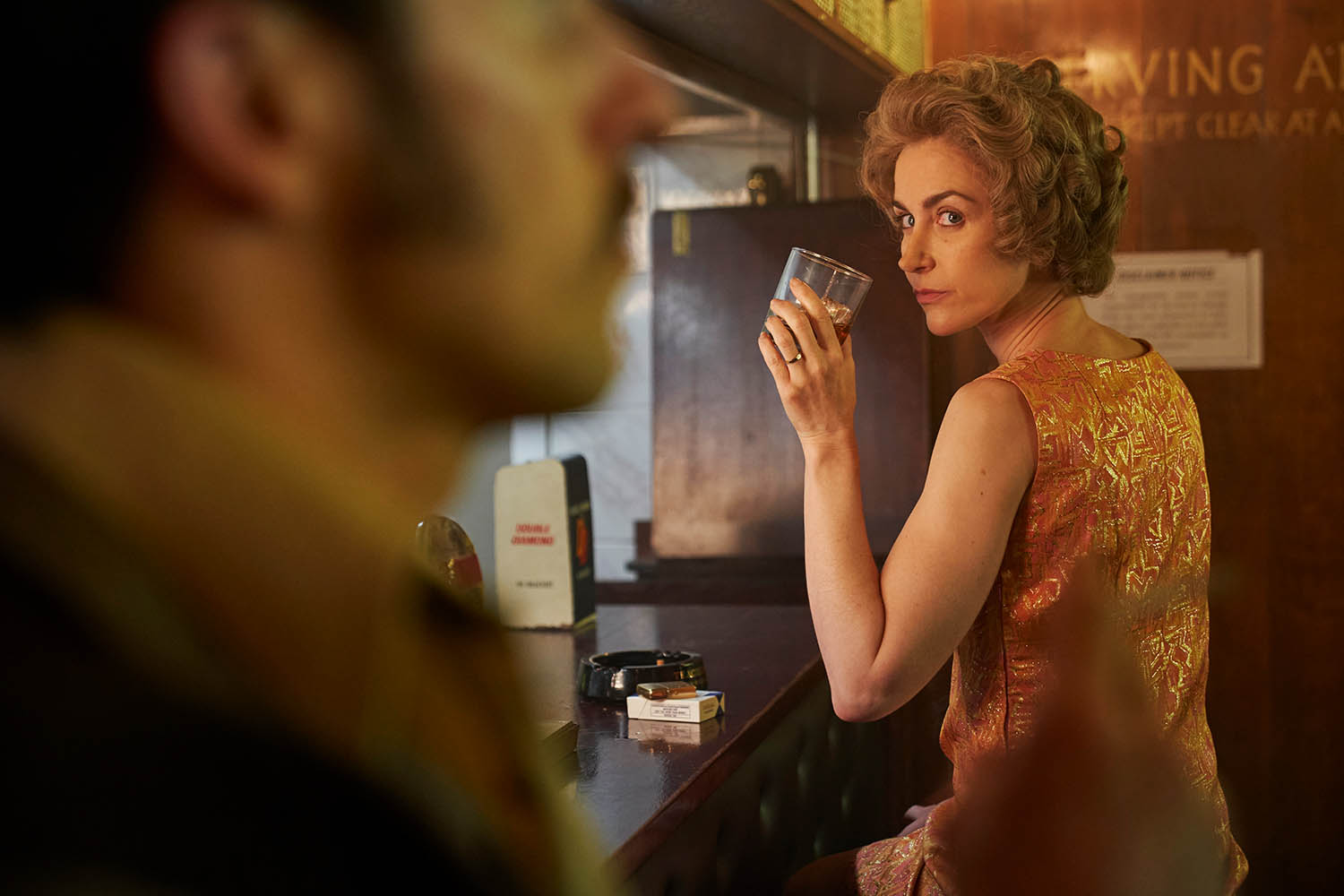
The Long Shadow is not only gripping television with a superb cast (David Morrissey, Daniel Mays, Toby Jones, Liz White etc) but a brilliant and illuminating view of its time (1970s/early eighties) – and our own.
For those that haven’t seen this drama or are too young to be familiar with the non-fiction version, this seven-part series tells the story of the Yorkshire Ripper: a dreadful saga that traumatised Britain for five years as Peter Sutcliffe murdered 13 women and seriously injured several more across the north of England while the police huffed and puffed uselessly in his wake. It was, as one of the characters says in the dramatised version, the crime of the century.
The Long Shadow handles all this with taste and skill. We don’t see any of the murders, only their terrible emotional consequences for survivors and relatives. We glimpse the poverty and desperation that led some of the victims to prostitution and thus to their doom. But what we see in absolute high definition is the gross, enraging, incompetence of the West Yorkshire police force, who allowed prejudice, misogyny and racism to inhibit their investigations to a scarcely credible degree (even making allowances for changing times and attitudes). And this is the enduring lesson of this drama: in the age of DNA-testing and the internet, another Ripper may be unlikely to flourish for long but allowing prejudice to trump logic and common sense will lead inevitably to disaster.
Younger viewers, particularly women, will be outraged by the conduct of the police but that fury was felt at the time. Stay safe, stay home, the chief constable told women at one press conference; when angry, frightened women in Leeds launched the Reclaim the Night movement they changed that advice to: men, stay home. Yet those of us old enough to remember the dark years of the Ripper will be uncomfortably reminded of a time when misogyny and racism was a barely questioned part of daily British life.
This is compelling television but often a wrenching watch. The image of a sobbing mother curled in a foetal position on her murdered daughter’s bed while Bridge Over Troubled Water plays on the gramophone is haunting. But the series speaks to our own time too. Plenty of the forces that drove this extended tragedy are still with us. A long shadow indeed.