Culture Society, Identity and Belonging
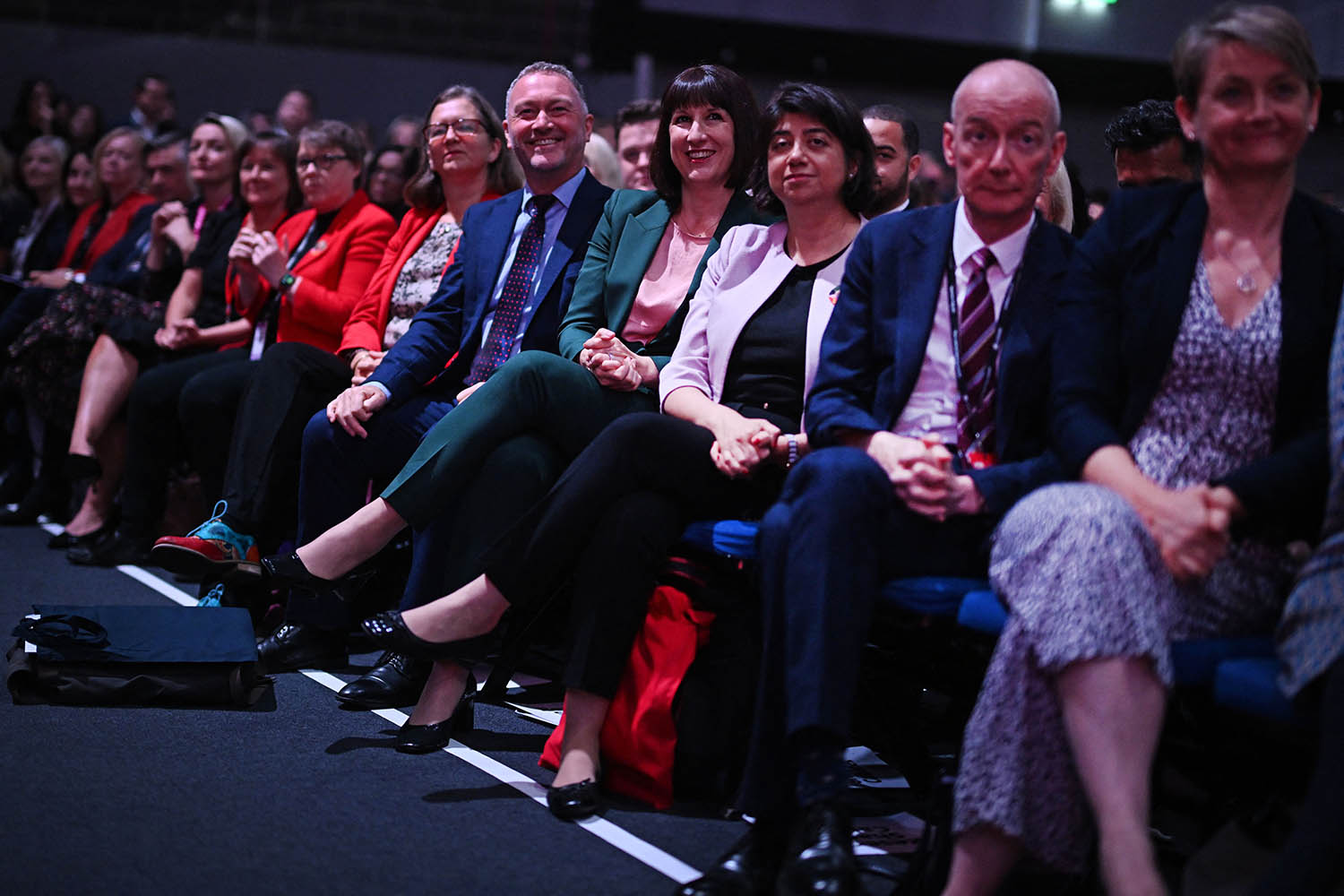
Liverpool’s hotels are sold out and the bars are full, lobbyists and right-wing periodicals are hosting standing-room-only receptions: for the first time in a generation, the country seems to think Labour is heading for power.
So what? Many of the people likely to be running the country are virtually unknown. Those who form the circle of trust around Sir Keir Starmer were forced to the outer edges of Labour in the Corbyn years. They are broadly Blairite, few have any experience of government and some were still in school when New Labour surged to victory.
So who is it that the British electorate are expected to back? And are they any different from the Conservatives? In short, yes.
- There are relatively few public or privately educated members of Starmer’s team;
- There are few Oxbridge graduates;
- They represent regions and nations across the UK;
- Many of them have spent their life in politics, not business;
- They are mostly Blairite in outlook, and few have come through the union route.
The Inner Circle:
Morgan McSweeney tends to keep out of the limelight, although a favourable profile in the Sunday Times this weekend suggests he may be poised to become more of a household name. As Starmer’s director of campaigns, McSweeney is the most influential member of Starmer’s inner circle, including shaping selections of future MPs.
The Three Matts. Starmer, like many politicians, is surrounded by a small cadre of men – several of whom in this case are called Matt. There is Matthew Doyle, director of communications, who worked for Blair; senior adviser Matthew Pound; and Matthew Faulding, who has been overseeing candidate selection and has just been promoted to secretary of the Parliamentary Labour Party.
Luke Sullivan is Starmer’s director of politics, which involves liaising with MPs – a similar role to his previous position as an adviser to the chief whip.
But it’s not all men. Alongside Morgan, polling expert Deborah Mattinson is playing the key role as Starmer’s director of strategy. She wrote the book on why Labour lost in the Red Wall and is now hoping to redraw the map there. Peter Hyman, an adviser for Tony Blair, is also critical, helping to shape the leader’s policy direction. Former academic Ravinder Athwal is charged with drawing up the party’s manifesto.
Labour backbenchers have high hopes for Sue Gray, whose move from the civil service caused an almighty row. As chief of staff, she will be overseeing the transition to power and is perhaps Labour’s most experienced Whitehall operator.
General secretary David Evans has been a major figure in the transformation of the party since the Corbyn era: key areas of focus have been anti-Semitism and putting the party on a sound financial footing.
Front and centre
Shadow chancellor Rachel Reeves has increasingly taken centre stage as the cost of living crisis continues to dominate. London-born and state school educated, she is one of the few in Starmer’s team to have studied PPE at Oxford. She also worked as an economist at the Bank of England and the British Embassy in Washington and has been MP for Leeds West since 2010. She was consigned to the backbenches under Jeremy Corbyn, although kept busy as chair of the Business, Energy and Industrial Strategy committee.
Deputy prime minister and shadow levelling up secretary Angela Rayner left school at 16, while pregnant and without qualifications. She later got an NVQ in social care and worked for Stockport council as a care worker, then became a Unison official. Rayner has been MP for Ashton-under-Lyne since 2015 and worked alongside Starmer in Corbyn’s shadow cabinet. Rayner and Starmer’s relationship appears to have improved since it soured during his failed attempt to sack her in 2021.
Born in Scotland of Irish parents, Pat McFadden studied at Roman Catholic secondary Holyrood before going onto study politics at the University of Edinburgh; in 1993 he worked as an adviser for John Smith, then Tony Blair, before being elected MP for Wolverhampton South East in 2005. He was sacked from Corbyn’s shadow cabinet for perceived disloyalty but has played a key role under Starmer as a campaign planner. The Guardian calls him the most powerful Labour politician most people have never heard of.
Given new forecasts of a 1997-style Labour landslide if current trends hold, that could change.