Sensemaker Daily

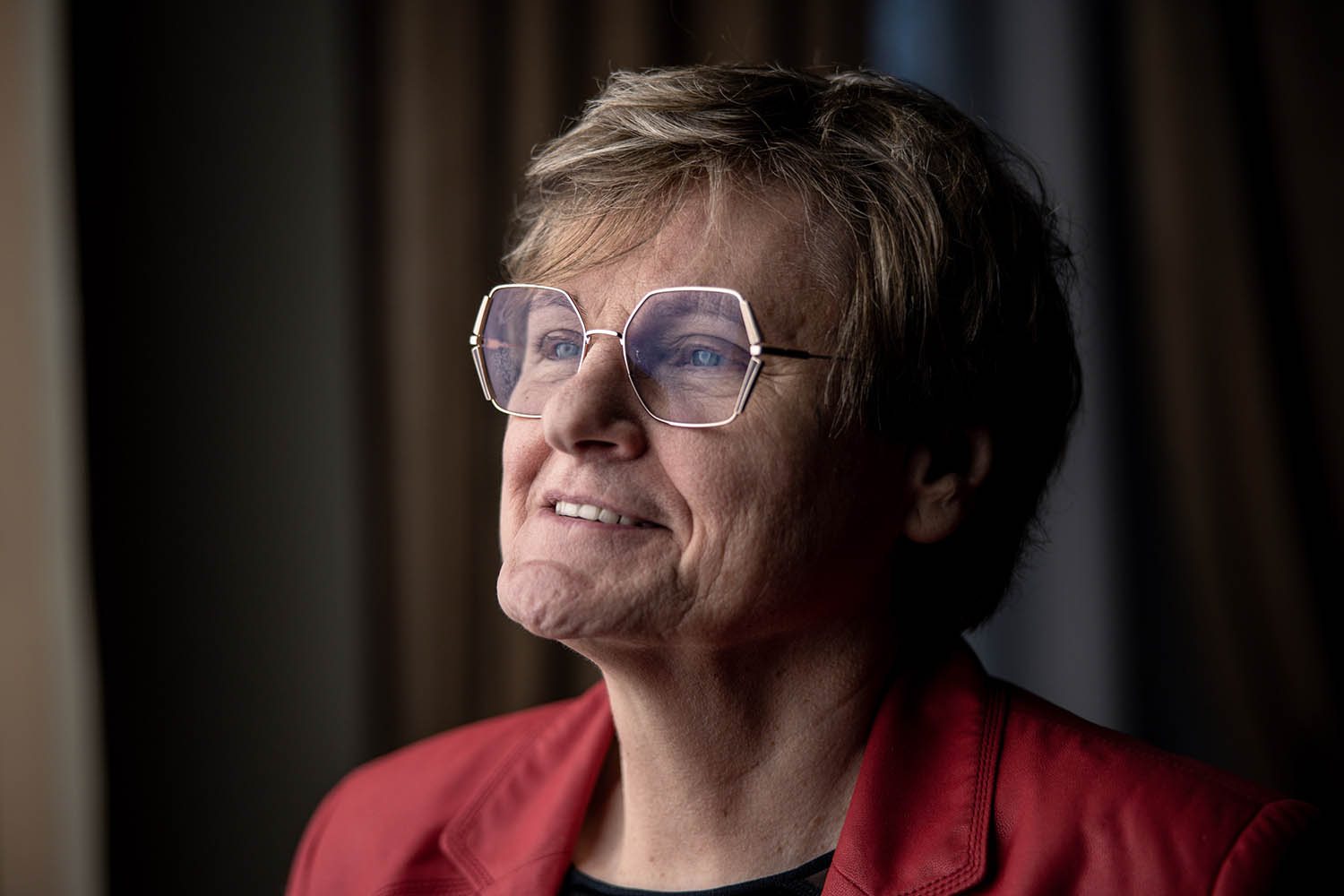
In 2013, the Hungarian biochemist Katalin Karikó walked out of her University of Pennsylvania lab for the last time. She said she was “forced out”. But as she left UPenn, she told her then-boss: “In the future, this lab will be a museum. Don’t touch it.” Yesterday, Karikó and her colleague Drew Weissman won this year’s Nobel Prize for Medicine for their pioneering work on messenger RNA, or mRNA – the technology that was, as the Nobel Foundation put it, “critical” to the success of the Covid-19 vaccinations. But Karikó’s success followed decades of setbacks. In 1985, after being told there was no room for her in European labs, she snuck out of communist Hungary with £900 sewn into her two year-old daughter’s teddy bear. In the US, she faced grant application failures, pay cuts, demotions and possible deportation. Although UPenn celebrated both scientists yesterday as “outstanding”, Karikó said her success was in spite of, not because of, the university. By contrast, the then relatively unknown German biotechnology company BioNTech had the foresight to hire Karikó in 2013 and promote her to senior vice president. BioNTech is now valued at £27.3 billion after the success of its mRNA vaccine, produced with Pfizer.