Sensemaker Daily
- The Home Office confirmed a steep rise in suicide-related domestic homicide reviews (more below).
- More than 60 people are feared dead after a boat carrying migrants capsized off the coast of Cape Verde.
- Two US tourists were found asleep up the Eiffel Tower after getting stuck inside the Paris landmark while drunk.
Italy is poised to pull out of China’s Belt and Road Initiative this autumn, less than five years after joining. Around the same time, other world leaders will be celebrating the BRI’s second decade with an international “Belt and Road Forum” in Beijing.
So what? The BRI is the ultimate expression of Beijing’s ambition to reshape the international system. Italy’s withdrawal highlights a growing divide between countries that accept China’s global ambitions and those that don’t.
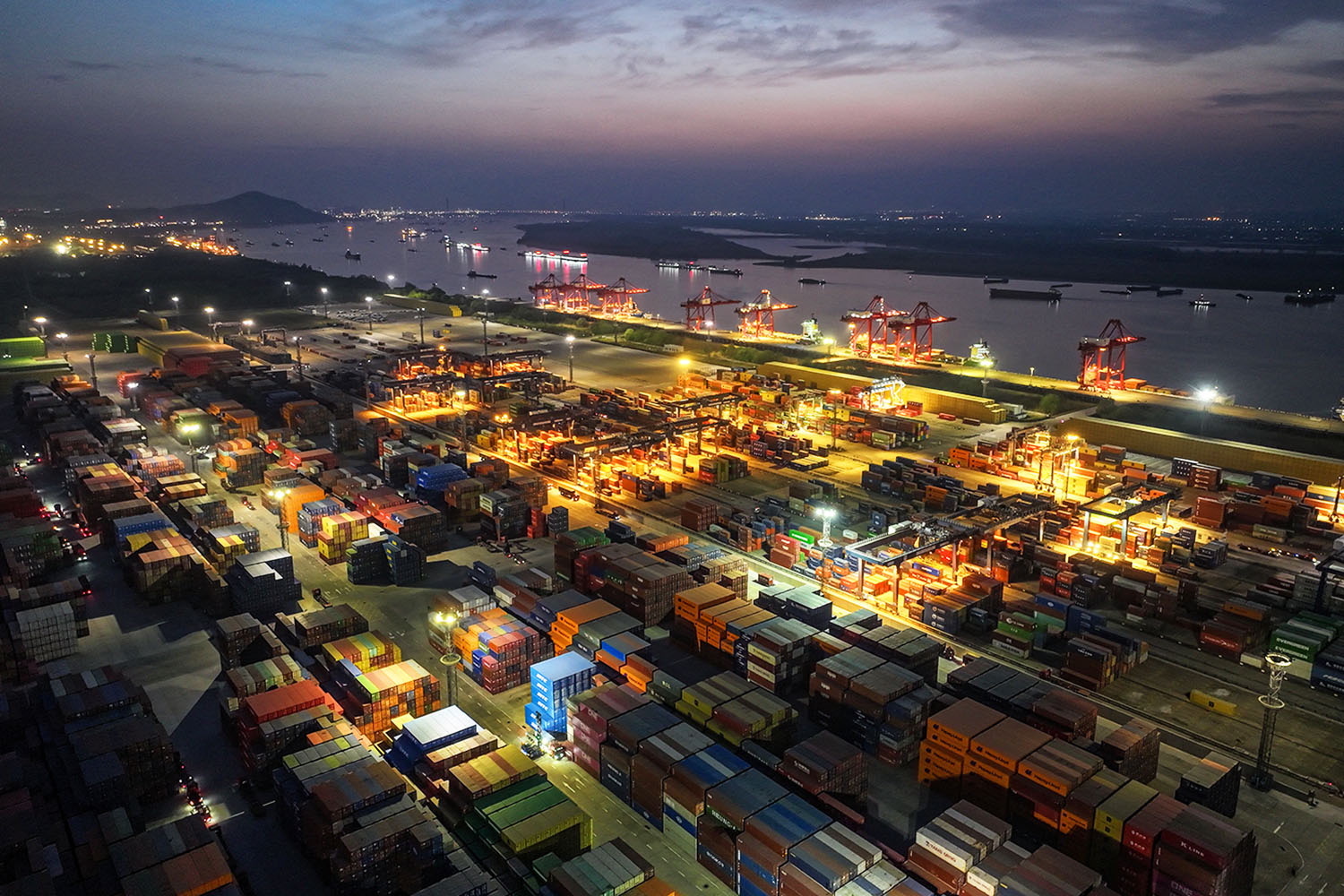
Whose belt? What road? Launched in 2013 to stake a claim to global Chinese leadership, the BRI’s name derives from “Silk Road Economic Belt” – a Xi Jinping formulation meant to invoke the original Silk Road and put a positive spin on the international expansion of Chinese companies and finance. It’s focused on connective infrastructure – roads, rail, bridges, ports – but the scope is deliberately vague and there’s no project pipeline or BRI blueprint.
The American Enterprise Institute puts the BRI’s total value at almost $1 trillion, comprised of
- $402 billion in non-financial investments; and
- $564 billion in construction contracts.
Getting in. Many of these contracts are financed by loans from Chinese policy banks. The offer is simple: China provides the credit, few questions asked, provided a Chinese company is hired to do the job. Examples include
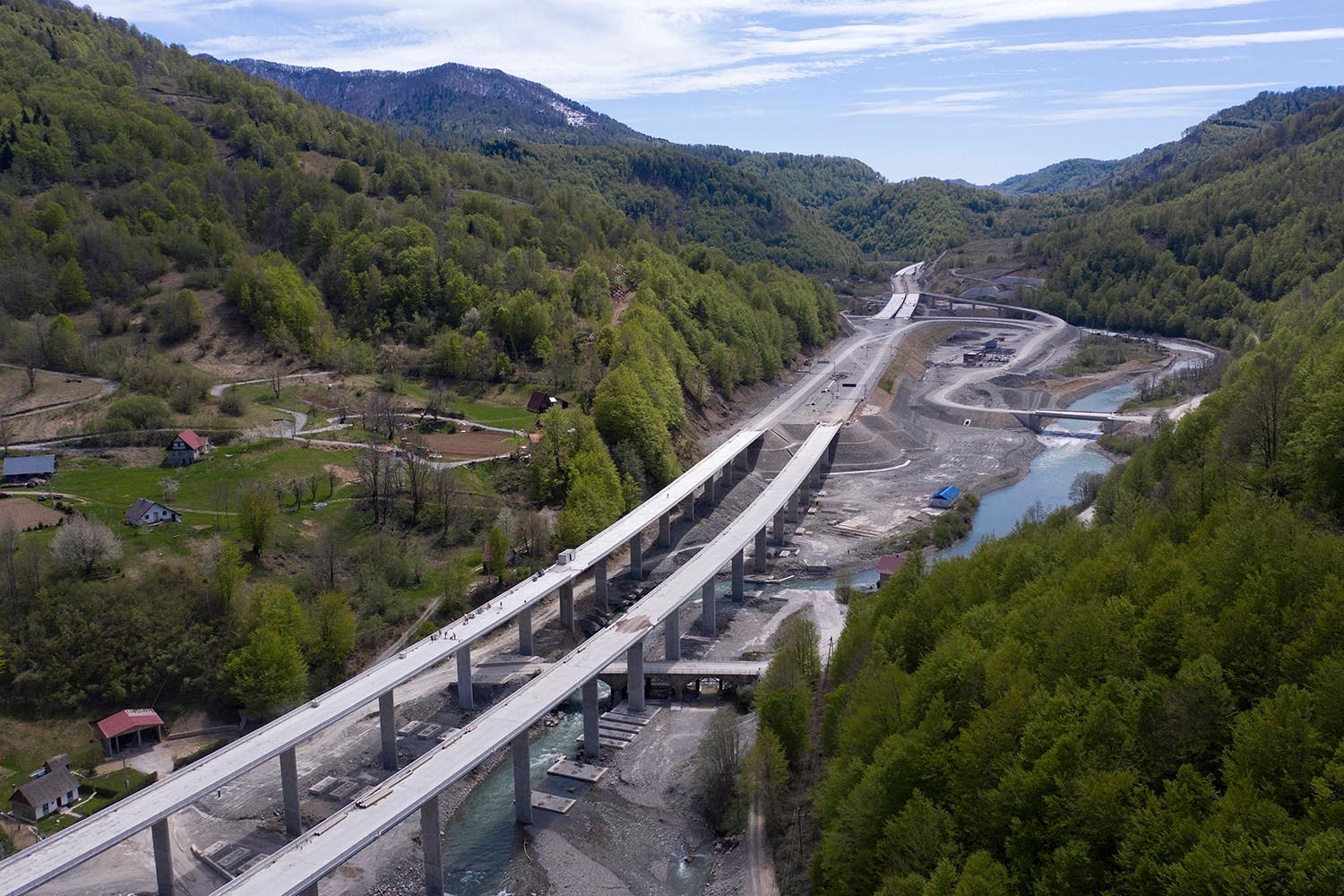
- a 41 km section of highway in Montenegro that cost the country of 600,000 people roughly $1 billion;
- the long-delayed and over-budget Jakarta-Bandung railway, worth around $8.5 billion;
- the Chinese development of Gwadar port, a major project in the China-Pakistan Economic Corridor.
The BRI has delivered its share of the delays and cost-overruns that tend to haunt megaprojects, but it’s also added to the debt burden of developing countries.
Partly owing to the earlier, looser years of the BRI, credit from Chinese institutions is nowadays harder to come by. Lending has fallen since its 2016 peak of $75 billion, and there’s now greater focus on what Beijing calls “small and beautiful” projects.
Getting out. Italy became the first G7 country to join the BRI in 2019, when Rome rolled out the red carpet for Xi and arranged for him to be serenaded by Andrea Bocelli.
Fast-forward through several government crises and feelings are frostier. On the campaign trail in 2022, Giorgia Meloni indicated that joining the BRI was a mistake she would rectify if elected. More recently, her defence minister said the decision to sign up was an “atrocious act”. Meloni is expected to travel to Beijing this autumn to explain her exit plans to Xi in person.
The decision is largely symbolic – nothing concrete has been agreed since 2019 apart from minor deals on the export of oranges and bovine semen to China.
Deepening divide. Italy’s withdrawal reflects a growing sense among US allies that China is more challenge than opportunity. Germany’s new “Strategy on China” also points to gradual alignment with a tougher US line on Beijing.
But the EU’s position doesn’t reflect a global consensus. Multiple foreign dignitaries, likely including Vladimir Putin, will converge on Beijing for the third Belt and Road Forum in October.
Red carpet mingle. Other guests will include leaders from across what Beijing calls the Global South but also those of
- Georgia, which recently upgraded its relationship with China to that of “strategic partnership”; and
- Serbia, population c. 6.5 million, an EU candidate country which has accepted $3.7 billion in Chinese loans to indulge President Aleksandar Vučić’s obsession with road building. In 2022, Chinese investment in Serbia was roughly equivalent to the combined investment of all 27 EU member states.
For comparison. China isn’t the only superpower looking for ways to bind neighbours and others into its sphere of influence. The US is another – using $1 trillion of F-35 fighter jet and service contracts with 46 countries to advance its interests.
Photograph Getty Images