A flagship project to wean South Africa off dirty energy is stumbling amid local opposition, power cuts and corruption
- Vietnam recorded its highest-ever temperature of 44.1C.
- Cargill, the world’s largest grain trader, is being sued in the US over deforestation and human rights abuses in its Brazilian supply chain.
- Barclays’ AGM was disrupted by climate protesters singing a rework of Stop by the Spice Girls.
When Komati power station in South Africa’s coal belt was switched off last year, it was meant to be the first step in a transformation of the country.
But as South Africa faces some of the worst power cuts in its history, the transition to renewables has stalled.
So what? Getting countries in the developing world to quit coal is critical to preventing climate change reaching dangerous levels. At COP26, the UN climate talks in Glasgow two years ago, rich countries clubbed together to offer $8.5 billion to help South Africa shift to clean energy.
The idea was that South Africa could put the money towards shutting down its coal-fired plants, replacing them with wind and solar.
Workers in the coal industry would also be helped to find new jobs. It was called the Just Energy Transition Partnership – JETP for short. Similar deals have been announced for Vietnam and Indonesia. The daydream of climate diplomats is that India could be persuaded too.
By the numbers:
436 million tonnes. South Africa’s greenhouse gas emissions from fossil fuels and industry in 2021.
87,000. Jobs in the coal mining industry in South Africa.
$20 billion. The amount offered to support Indonesia’s transition to renewables at the G20 in 2022.
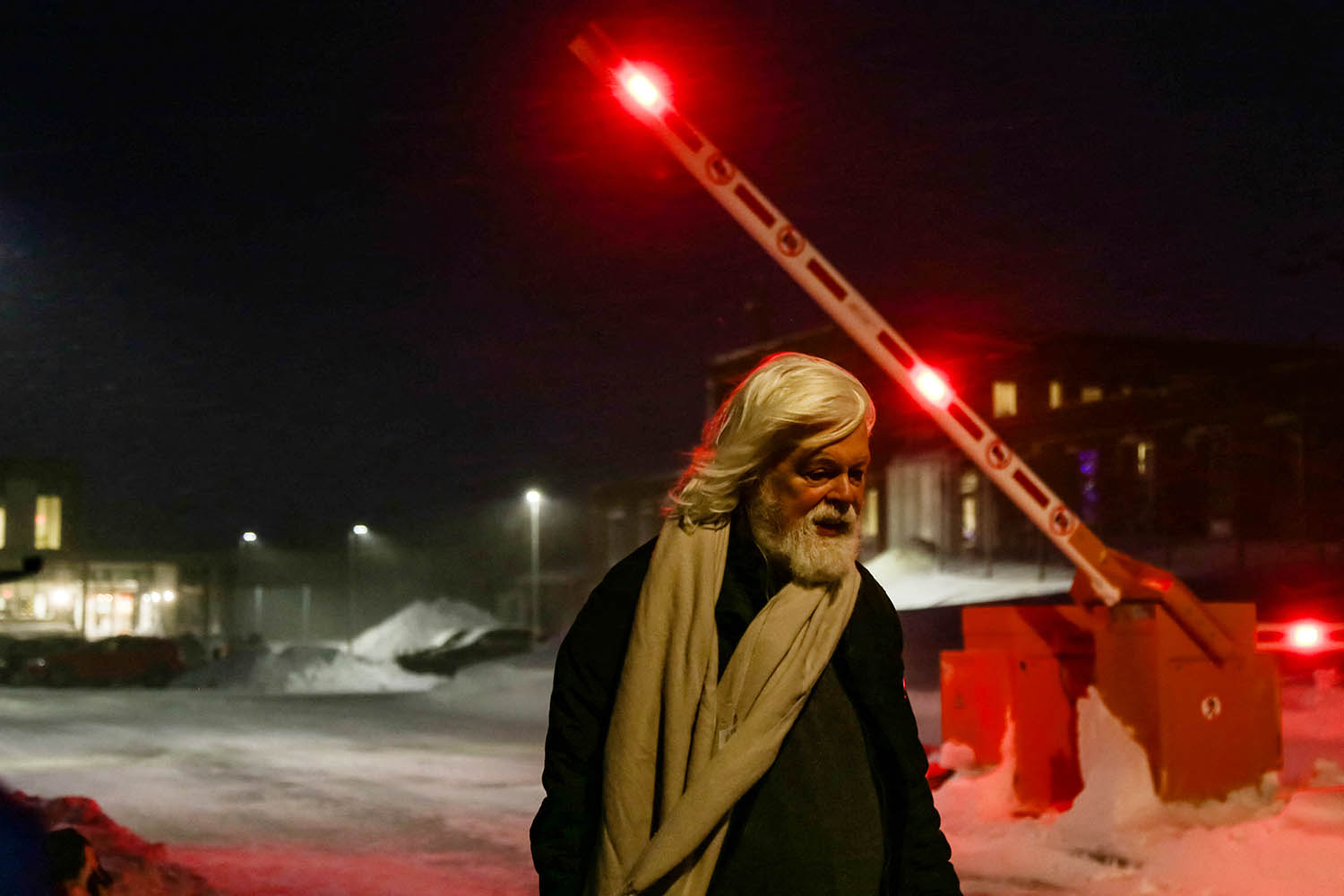
The South African transition was supported by Andre De Ruyter, chief executive of South Africa’s state-owned power company, Eskom. But the plan is sinking under the weight of local opposition and De Ruyter resigned last year after being accused of treason for failing to stop power cuts plaguing the country.
Load-shedding, as South Africans call it, are the scheduled power cuts that take place when power supply drops. Last year there were more than 200 days of planned blackouts. Many South African businesses are now preparing for a total collapse of the grid, investing in generators, solar panels and battery storage.
What’s causing the crisis?
- As Eskom has struggled to collect the arrears owed by municipalities, its older coal power plants have become dilapidated.
- Two new coal-fired power plants, Kusile and Medupi, have suffered from major cost overruns and still aren’t functioning properly.
- De Ruyter claims that organised crime cartels are targeting Eskom. The crimes include diverting high-quality coal for sale abroad and committing sabotage to win lucrative repair contracts.
- The former CEO says that corruption has spread through Eskom like a cancer. Eskom did not respond to a request for comment.
When South Africa’s JETP was proposed it looked like a straightforward test case; the country has plentiful wind and sun and it would be easier to deal with a single giant power company than multiple businesses.
A former government official said that de Ruyter was crucial to the deal. “He believed in it, and invested a lot in making it happen.’
Thanks for reading.
Jeevan Vasagar
If you want to get in touch, drop us a line at sensemaker@tortoisemedia.com.
With thanks to our coalition members: a network of organisations similarly committed to achieving Net Zero

Visit the homepage to find out more about the coalition and join us.