Sensemaker Daily
This essay was commissioned for the latest Tortoise Quarterly book, which is available here. It was also published by the Saturday Times magazine on 5 December 2020.
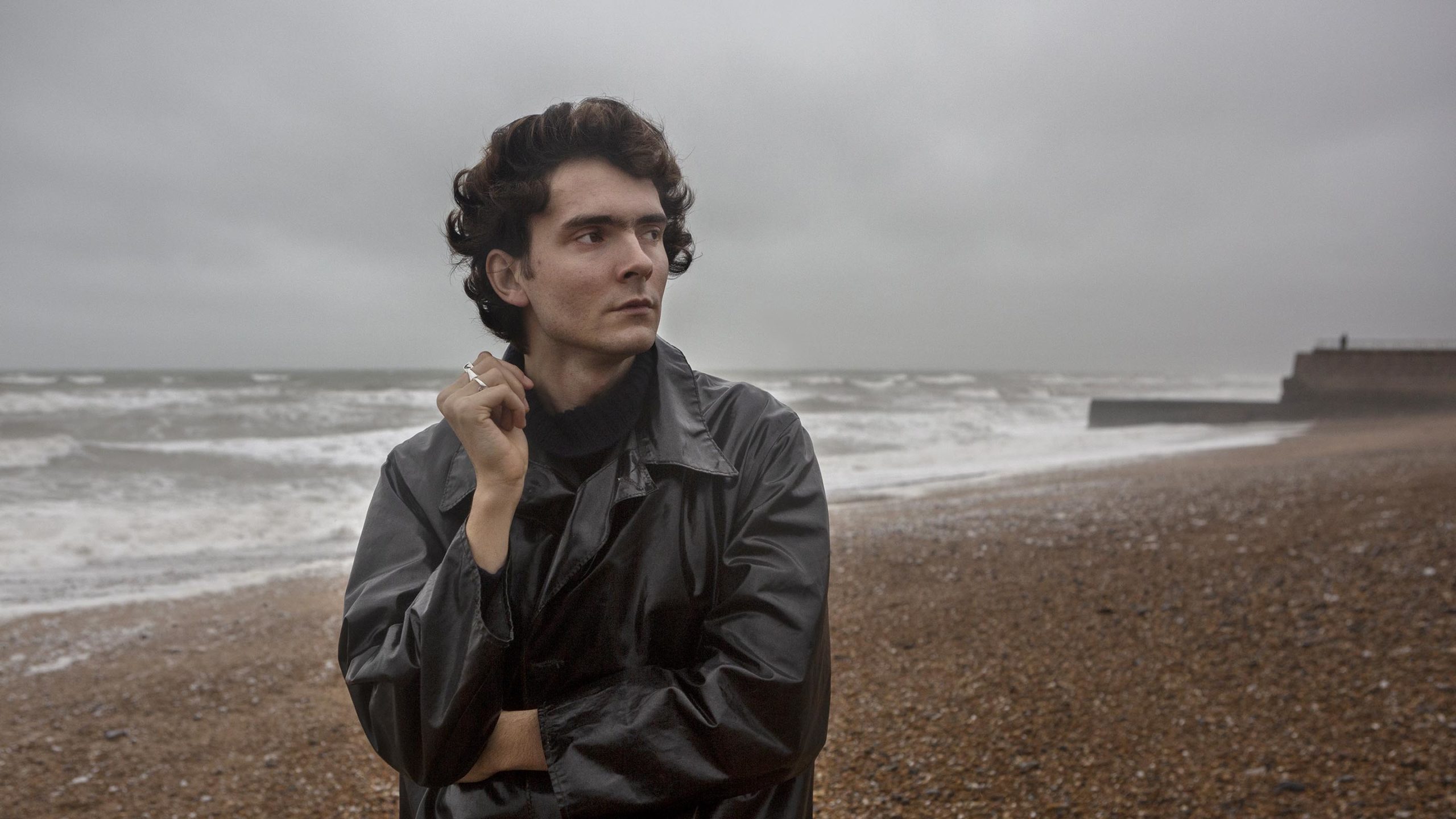
When I left university with a degree in literature, I had no idea what I wanted to do besides continue to shoehorn big words awkwardly into otherwise ordinary conversations at the pub (jejune, anyone?). I became a model, mostly because I was a tall young man with a face.
Modelling was technically a job, but it still left approximately 23 hours of every day untouched, and my career path as much of an amorphous blob as ever. But I could say I was employed, in a cushy and apparently glamorous occupation, ostensibly busy doing something.
It happened like this: towards the end of my final year of university, I began working part-time at my local pub. This was a job for which I was woefully unqualified. I struggled to hear anything, knew nothing about drinks and served rosé in pint glasses, which made me popular with the regulars, if not newcomers. One Yahoo review noted that “the easily-distracted, laughably uninterested staff congregate at the far end of the horseshoe bar, facing inward like a coven of witches”. Cruel but fair.
But our clientele was largely people in the fashion industry, clearly used to such behaviour; and as time went by I began to be noticed. I started to appear in magazines and in lookbooks, just as favours to friends; usually being paid in food, sometimes clothes.
My association with stylists and models garnered me some interest on social media – something I’d quit several years before when forced to choose between befriending my well-meaning aunties or enraging them – so I also gained mystique.
In the big leagues of modelling, you spend the first few years trading in the cryptocurrency otherwise known as “exposure” – or unpaid labour in layman’s terms. Your portfolio expands with the number of photoshoots accrued. Eventually, if things go well, you will have banked sufficient exposure to leverage your way into a gig that pays actual money. This rarely happened for me… yet there were just enough big paydays to keep me in the game. And so I became part of that handsome herd.
Before long I was contacted by a prestigious modelling agency who, having seen a very hungover figure posing with an enormous mound of Ferrero Rocher in a magazine, decided to sign me.
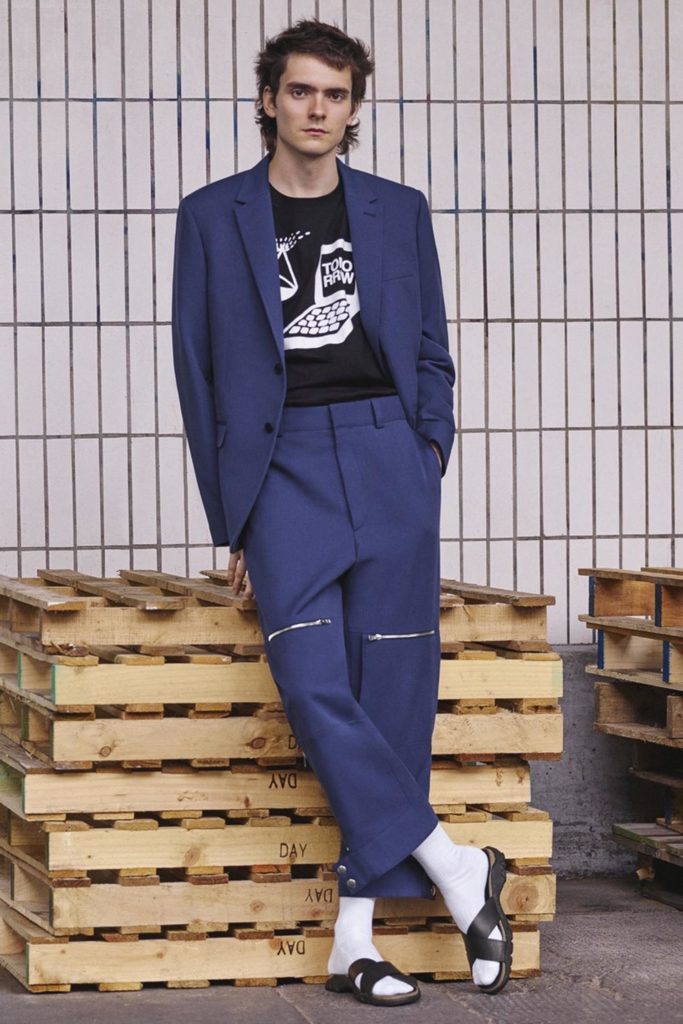
Soon, I was receiving work with big brands like Stella McCartney and Lanvin, although surprisingly these jobs generally came off my own back rather than with the agency’s help. I would just get an email directly from the casting director, and the agent would get involved later. There were appearances on catwalks, not only in London but in Paris and Milan; and even the occasional cover of an obscure magazine. I had my portrait painted. Once, I made the pages of Tatler, lounging with a model friend of mine at a party; flute of champagne in one hand and, I realised with horror, a cigarette in the other. That took some explaining to my mother in the groupchat.
Modelling heightened my awareness of my looks, and while I was never successful enough to become Narcissus, there are only so many times people can fawn over you before you start to believe the hype, and the walls of modesty come tumbling down. But I was never an extrovert, and my favourite gigs were always the most intimate; doing fit modelling (functioning as a human mannequin) for brands like Alexander McQueen and Zegna. What could easily have been soul-destroying work, standing perfectly still – Christ-like and cruciform – in an atelier for hours while slowly being entombed in garb was fascinating. To be a fly on the wall of any industry is probably intriguing but to witness the way a collection of clothing came together, right there, over me? I had never seen anything like it. A whole season’s worth of outfits germinate from a clutch of nebulous references, be they self-referential to the brand’s history, or magazine clippings of Siouxsie Sioux pasted on the wall. And the idea that people could, even as we speak, be walking around wearing clothes that were built to my proportions is still thrilling.
My modest success in a world defined by appearances meant that when things started to go awry, it was all the more scrutinised; and all the more excruciating.
One day, I notice a coin-shaped bald patch in my beard, which recurs over a period of months – always popping up in new and surprising places.
On one occasion I sleep through my alarm and rush out the door to a fitting, only to become aware that the people on set are staring at my upper lip. When I go to the bathroom I realise, in a Twin Peaks moment, that my moustache has bypassed Tom Selleck and gone straight to Hitler.
Yet still I think nothing of it. It’s probably something to do with lack of sunlight, I guess, living (as I do) beneath a petrol station in Brixton, in cute-yet-abject windowless poverty. Probably no more real a threat than the time I thought I’d developed rickets.
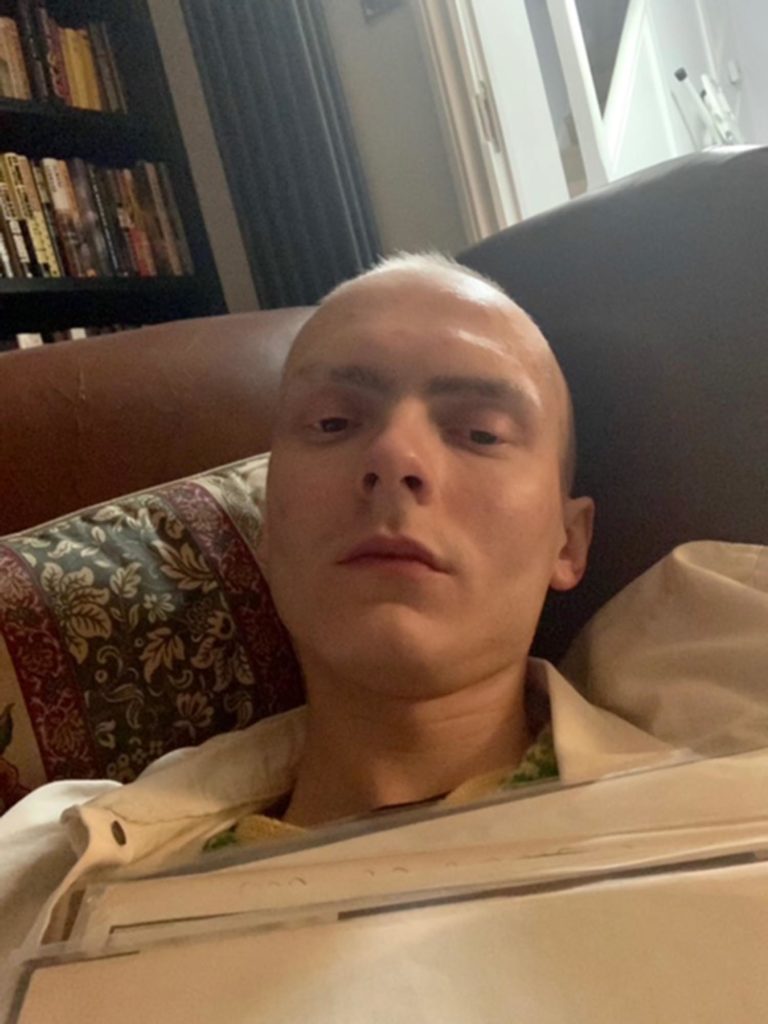
A few weeks later I am walking up a volcano in Italy and run my hand through my hair, and a big chunk of it comes out, right then and there. I speak to my friends when I get back to earth, but am greeted not with sympathy, or advice, but with frustrating, whimsical trivialities regarding the impending super blood moon that we have all come to see. I get home and look at my scalp – really look at it – and see that it is beginning to resemble the alien crop circles seen in M Night Shyamalan’s Signs.
As kind as it is to be told that nothing is wrong by well-wishing friends, I want … need … someone to say that, actually yeah, we have a problem here.
I summon my courage and show my parents. They are obviously concerned but try to appear calm. I begin to hoard what hair I have left, avoiding doing anything I deem likely to encourage unnecessary expenditure of a precious and dwindling resource. This soon excludes such non-essential activities as showering.
Worse, much worse, is to come. One day a hole appears in my eyebrow. I began to wake daily to “hair angels”: my silhouette imprinted on the sheets in the strands I’ve shed overnight.
I go to my GP and leave five discouraging minutes later with entry-level painkillers and some steroids.
Still the nightmare continues. Within three weeks I have lost so much hair from my head that I decide to shave it all off with the help of my mother, who I can see is trying not to weep as she wields the trimmer. I loathe this thing on principle. It’s a British-made skullshaver complete with Hard Brexit aesthetics. The box is emblazoned with blokey looking pitbulls, the marketing ads full of pitbull-looking blokes. Fortunately it breaks after two uses.
I am stuck between a rock and a bald place – either I tell people all at once what is happening to me, or I do it incrementally. But the prospect of creating a social media account solely to inform people of my condition is so appalling that it would surely cause my hair, if I still had any, to fall out all over again.
It is clear I need to see a specialist but even going privately there is a six-week wait for an appointment. (August is apparently a fallow month for specialists and models alike.) My parents’ health insurer agrees to pay. I long for, yet also dread, the meeting.
When at last I see him, the specialist examines me for 15 sternly monitored minutes in his Harley Street office, 200 yards and a million miles from my modelling agency. He prescribes some different steroids, the standard ones for alopecia totalis, the illness he concludes has struck me. He doesn’t know what is causing it. He offers nothing that I can translate to hope, try as I might.
It is a peculiar feeling to sense that one’s medical anxieties are not shared by one’s doctor, but that is how it seems. On this and subsequent meetings he repeatedly forgets my name and never tries to make our encounters feel anything less than transactional. It all adds to the sense that I am on a crash course to self-erasure.
On each occasion he gives me steroid injections directly into my naked scalp, which besides hurting like hell and making me feel like Butterball from Hellraiser, leave me in a hot-headed stupor for hours.
A friend tries to lift my depression with remedial astronomy (currency of the realm for postgrad art school millennials). She texts to say that what is happening to me is just a natural part of “Saturn’s return”, but autocorrect changes it to “Satan’s return”, which honestly feels both closer to the truth and strangely comforting.
The specialist sends me to an endocrinologist, who puts me on an exclusion diet. Now I must do without most of the pleasures left to me: wine, beer, alcohol of any sort, even coffee. The idea is to identify any cause of my body’s decision to reject my hair.
The new steroids work briefly, but only at doses that cause other problems, among them mouth-foaming rage.
And then they stop working, too.
Sticking to the strange new diet, I lose weight steadily. Once I was a fit model, now everything I wear looks two sizes too big. And I never want to see tempeh again in my life.
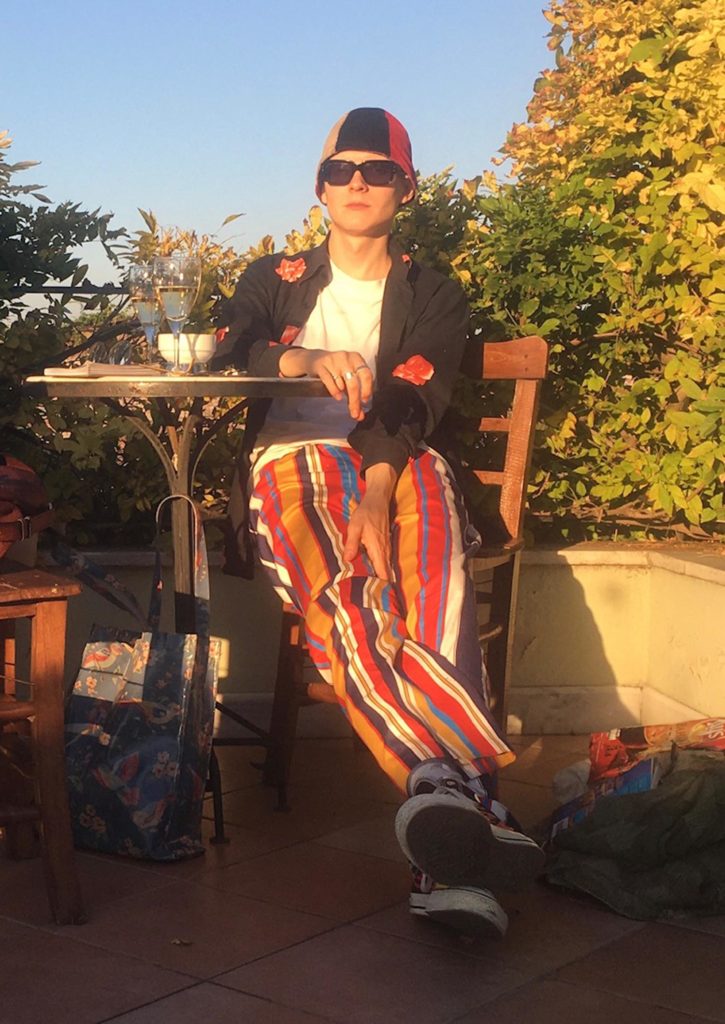
I lose my eyebrows, then my eyelashes. Turns out they’re not just ornamental: my eyes are now constantly dry and frequently infected. I take to wearing a gigantic pair of glam-rock sunglasses and a multicoloured cloche (Dad calls it the Goblin Hat). Chaotically adorned, with as many distracting things orbiting my head as possible, I take sickly- chic to strange new places.
This maximalist approach to accessorising gives me the look of a lunatic on the run at the edge of a Hieronymus Bosch landscape.
Meanwhile, my modelling agency calls and texts, offering work – all of which I decline, without saying why. I begin to earn a reputation as being difficult to work with. In the past I used to feel bad for picking all the Brazil nuts out of the mounded nut medleys on the catering table at a shoot. Now I don’t show up at all, and I couldn’t eat them even if I did.
Days turn into weeks, then months. I suspend my life in London to return to the family home in Brighton. It turns out that dismantling the social scene I’d cultivated around one city for the better part of a decade is easily done.
My mental health becomes a preoccupation of my parents, and I am soon prescribed antidepressants, giving me a total of about 20 pills to take every day.
I begin cognitive behavioural therapy sessions, but resent paying my therapist when I’m the one bringing all this great content to the table. When I tell him as much, he takes the lid off his pen, presumably to tick the “grand delusions” box.
I turn my phone off for days at a time.
Often, I take to lying prostrate on the floor of my Dad’s man cave, listening to Captain Beefheart’s Trout Mask Replica … so many times that I begin to discern tunes.
I become outdoorsy (mainly to escape company) and my sister sends me money to buy some hiking boots. I choose instead to blow it all on a pair of vintage military boots – covered in pony hair – from Portobello Road. Within a week these, too, begin to shed; incredibly, in the same pattern as my scalp. I feel almost proud.
At this point, I am literally ready to try anything, which is fortunate because my diet requires substituting every foodstuff I’ve ever loved with strange, changeling foods made by aliens attempting to replicate our planet’s indigenous cuisine.
I used to pride myself on the fact that eating was one of the few facets of my life over which I was capable of exercising stringent self-discipline. When I was modelling in Paris, I survived for weeks on black coffee and Stop ’n’ Grow nail-biting solution. But I could really use some comfort food.
All my meals are taken alone, ostensibly to prevent me having food envy but also to shelter others from witnessing such sad sustenance. This ostracises me even further, and my outlier status is now so advanced that one day, while listlessly watching Toy Story on television, I find myself relating deeply to the mutant toys in Sid’s room. Like the baby doll head with one good eye and a K’Nex assemblage for limbs, I too once walked in the sun.
The antidepressants modify the highs and the lows of my daily mood, but the pools of sadness are just gathering in an ever deeper well.
Dad decides to attend the next meeting with Dr StrangeGrub and I can tell after a few minutes that he is unimpressed. The doctor tells me off for referring to my “starvation diet”, and then suggests that I may be taking things too literally. He has failed to see that sheer desperation has made me follow the diet with religious fervour. I have failed to see that, like the pirate’s code, his nutritional rules are really more like guidelines.
It is to be our last meeting.
While I affected not to care much about my modelling career – back when I had one – its loss becomes a fresh source of misery. My agent rings daily, demanding new Polaroid images for my books. But the last time I saw pictures of myself was in lab results on a screen and I am certainly not posing for new ones. I sever ties with the representation I had in Paris and Milan. Those places now seem just a distant reverie.
But what now? We are in uncharted waters, adrift and without a clear idea of which way to steer, or even if it is worth trying to pull the oars.
One of my father’s closest friends is the son of a doctor, a real one. This very busy and distinguished man agrees to see me immediately and, without promising anything, offers kind and straightforward general advice. But then he calls back with the name of someone he has found who seems to be doing great things in the alopecia field.
Another appointment is made privately with this specialist. The insurance company agrees to pay, again. It takes another three months to get an appointment. Eventually, and with few expectations, I go to see her.
She changes all my medication and talks to me at length. She explains to me the science, but, my now pretty strange appearance notwithstanding, she also talks to me like a human being and looks me in the eye when she is doing so.
She tells me that her style icon is Prince and that I should try wearing a pair of sunglasses with the lenses popped out, which is what her daughter had taken to doing. Later, she offers to take me wig shopping at a place she knows in Fulham. An offer which stuns me, but which I decline.
She also lays out a plan, including regular appointments with her, and explains how I can also see her on the NHS if the insurers won’t keep paying.
Still, not even her good vibrations seem to work.
I am entirely hairless now. I can’t face the violence of a shower because I can’t bear the sight of myself, and I have turned all the mirrors in my parents’ house to face the walls. When I do go out – and I don’t, much – people I encounter assume I have cancer. I find the world outside clamouring and invasive, and questions about my condition go unanswered.
I feel disgusted with myself for allowing an illness whose main trait is a weapons-grade assault on my vanity to completely derail me. I’m not dying, after all; even if it sometimes feels like it.
I start working in a record shop, where my kind manager and the odd and not obviously empathetic customers prove to be wonderfully oblivious to my appearance. Or perhaps they are just too kind to say anything. Very occasionally, one or two friends from my old life will show up at the shop unannounced and sit with me all day. The shop becomes my fortress.
But the drugs don’t work – they just make you worse – and my despair deepens.
One day my GP asks me if I have contemplated suicide, and my answer is: only in relation to how much it would save my parents on hot water. I feel for them, and how hard it must be to have me Benjamin Buttoning in the bathtub for hours upstairs.
When I was a child, after my mother had put me to bed I would hear her singing “All My Loving” by the Beatles, and I would actually weep to hear it, fearing a strange distant world where one day she and I would be separated for reasons unforeseeable to me.
Yet here I am pushing 30 and I find myself needing the comfort of my parents more than ever. And while I draw the line when she makes the bacchanalian offer of bringing me some leftover Padrón peppers in the bathtub, both she and my dad quietly save me several times a day.
When I finally do cry, it feels like an exorcism. Just the once, on Christmas Eve, with the sound of all the people I love and who I refuse to see, emanating from a small party below which I cannot bear to join. I feel like I’m crying a whole year out of my eyes, the tears long borne and heavy as lead.
My specialist senses this sadness. On my next visit, she takes my hand and says: “I promise that, one day, you will get your hair back.”
It’s an astonishing thing for her to say (since I’m dimly aware that many people never recover from alopecia totalis), and an even more astonishing thing for me to hear, having subsisted on conjecture, and percentage likelihood for so long. But when I step out into the street below I have a smile on my face for what feels like the first time in forever.
The next time I see her, I have my parents with me.
She tells them what she has already explained tacitly to me: that there is a treatment that she is not allowed to prescribe or recommend because it has not yet been approved for this use in Britain, though it has been approved by the FDA in the US and other parts of the world.
It involves a drug known as a JAK inhibitor, which crudely put, prevents a body’s immune system attacking its own hair. In Britain and the US it has been approved only for use in the treatment of rheumatoid arthritis. And the cost, even if you could get hold of it? About £2,500 a month, maybe more.
Unless, the doctor has heard, you go East, where the same drug is widely available, in a generic form, for about £300 a month – a lot, but not impossible. But, of course, she cannot recommend that course of action, and does not.
On the other hand, she mentions that two of her patients have taken that route and the drugs have worked. Both are women, one a young teacher who was nearly suicidal after losing her hair in an environment where such things were likely to be painfully noticed – a vulnerability I understand all too well.
She seeks their permission, then gives me their mobile numbers. Both respond promptly to my texts and encourage me with photos of their own hair regrowth. The specialist, meanwhile, tells me that while she cannot possibly supervise this course of treatment, she would certainly feel it was part of her professional duty to monitor my health if I did decide to take it.
And so my parents and I find ourselves in Istanbul, more than a year after my illness first became apparent. Without any difficulty we buy two boxes of the drug across a pharmacy counter.
Each box costs about £300. Better still, a Turkish friend has arranged for a medical student to buy the drugs at lower cost in bulk for us.
A young woman comes to our hotel, shy and in full hijab. She speaks no English, but she gives me a greengage from her purse. Then a scene worthy of Midnight Express plays out. We sit on the bed counting and recounting about £3,000 in low-denomination Turkish lira, in exchange for 14 boxes of the drug. Outside we can hear the mournful call to evening prayer.
I open the window overlooking the garden, intoxicated by the promise of this trip – my first since I got sick. I was never dying, but perhaps, just perhaps, I might live again.
Our stash of drugs should last three to four months at optimal dosage and if they don’t work, I have already decided to donate them to the women who helped me get this far.
But they do work.
About two weeks after we get back I notice some fluff on my head. I start to get chest and pubic hair. Little tufty patches begin to materialise. Not nearly enough for me to ditch the Goblin Hat but it comes off more easily and often.
Eight months later, I have a full head of hair. I have a beard and eyelashes. I even have my monobrow back. There are no obvious side-effects.
It is hard not to think of this as a rebirth, especially as, to my family’s amazement, my hair initially grows back a shade of dirty blond – the same colour it was when I was a baby.
This is the first time I’ve really spoken my illness into existence. Even now, when the whole world has been forced to confront its health, my mind generally blanks at the prospect of addressing the subject. I never acknowledged the medical elements of my diagnosis, nor did I once Google the rates of recovery, because to do any of these things might have given it a kind of permanence. To recognise it, I thought, might somehow mean owning it for life.
The way I carried myself during the past 18 months felt like defiance at the time, but now I see that I was simply afraid. I never once accepted being bald, never walked down the street without a supporting cast of distracting accessories.
I changed my way of life beyond recognition to give myself more privacy, and I left a lot of people I love in darkness. I still have not told some of my friends why I disappeared so abruptly from their lives.
I may be taking these drugs for the rest of my life – who knows? I am aware too that many people do not recover from alopecia totalis, or lose their hair for other reasons. When people mistook me for a cancer patient suffering from the side-effects of chemotherapy, I sometimes felt like a fraud. I may have looked like I was dying but I wasn’t. I don’t ask for pity, or even sympathy, but let no one underestimate the threat such a thing presents to the sufferer’s mental health.
But here’s the thing. Just as many others have been, I was struck by a profoundly difficult, life-altering illness. By great good fortune, and with the love and support of my family and the kindness of others, especially two wonderful doctors, I have recovered (note, I do not say: been cured). But what if I had not had all those things? What then?
Unless you are putting me in fancy clothes and waving a camera, I have always been a private person. Writing this has been hard. Honestly, without my parents nagging (“Think of the others you might help!”) I don’t think I would ever have committed these thoughts – the jeremiads of my soul – to paper. But again, who knows? Maybe by starting to acknowledge the ordeal of the past two years, I can finally begin to move away from it.
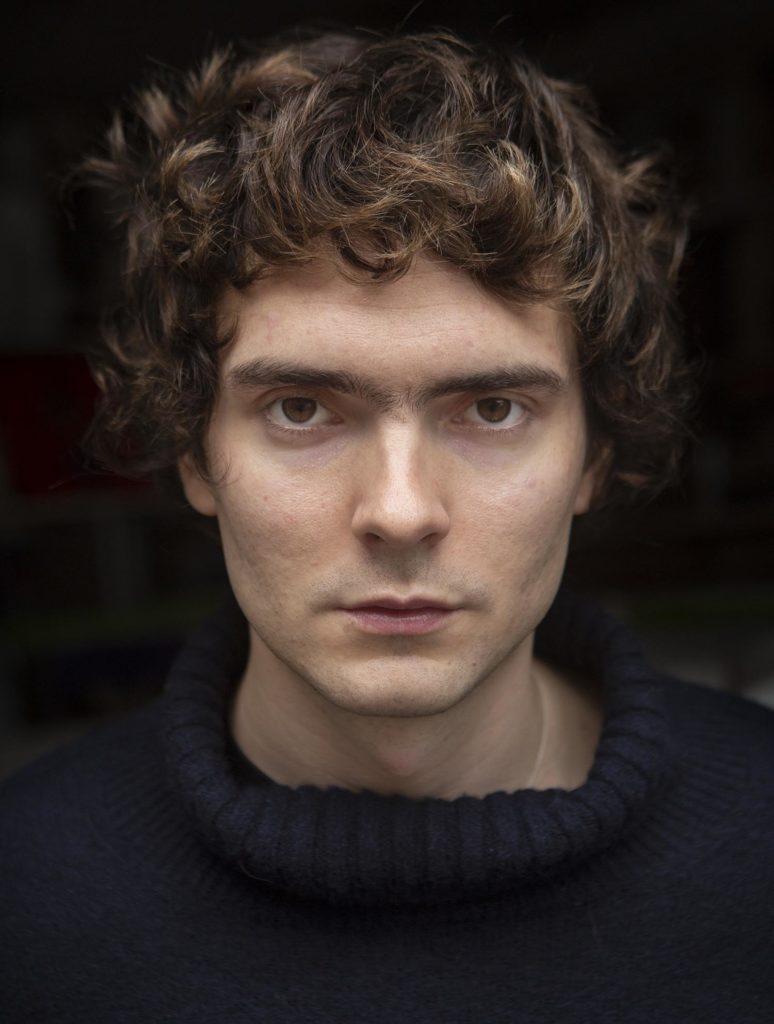
Last saturday was a busy one in the shop. Masked, and behind a perspex screen, I had just finished selling a beautiful copy of the soundtrack to A Nightmare on Elm Street 2 to a regular, and found myself briefly alone.
A woman walked in and, unusually for our customers, did not head straight for the record racks. “Have you ever considered modelling?” she said, handing me her card. “You have a very interesting look…”