
“From crying so much, I learnt how to smile,” said Ana Maria Heilbron, a United For Global Mental Health campaigner. Ana Maria was telling her story for the first time and in an extraordinary place: an exhibition, which she helped to create, documenting the deep struggles and the personal victories that people with mental health problems face all over the world.
This exhibition was the Museum of Lost and Found Potential, arranged by the global Speak Your Mind campaign, and the venue for a Tortoise ThinkIn earlier this month. Seated among the exhibits and stories displayed at the Museum – some of which are shown below – we discussed the solutions to a problem that cuts short hundreds of thousands of lives every year and that leaves many millions more feeling isolated, wretched and alone.
Together, we discussed the need for an “action plan” for addressing mental health. It starts with sharing our stories, leads to awareness-raising, then challenges the stigma, before creating political action to make access to therapy and medication more widely available.
All of this needs to be bolstered by support from our communities. Where in the world can we look to as a leading light for this kind of change?
We heard about New Zealand, which has committed $1.9bn to mental health services. But those taking part said that continuing to pour money into the system as it stands won’t make the biggest difference. The country needs to use that money to reform the way in which mental health patients are treated at every touch-point in the system, from the emergency services to local GPs.
There is a stigma attached to mental health all over the world, but there are certainly places where that stigma is more acute. We heard stories from India, Nigeria, and Liberia about how the discrimination faced by those with mental health problems has prevented them from seeking the help that they need. Times are changing, however, and we want to understand what can be done to shift perceptions about mental illness in societies around the world.
Throughout the conversation we spoke about pain, but also about hope reflected in the exhibition and stories that surrounded us. Here are the stories from the exhibition.
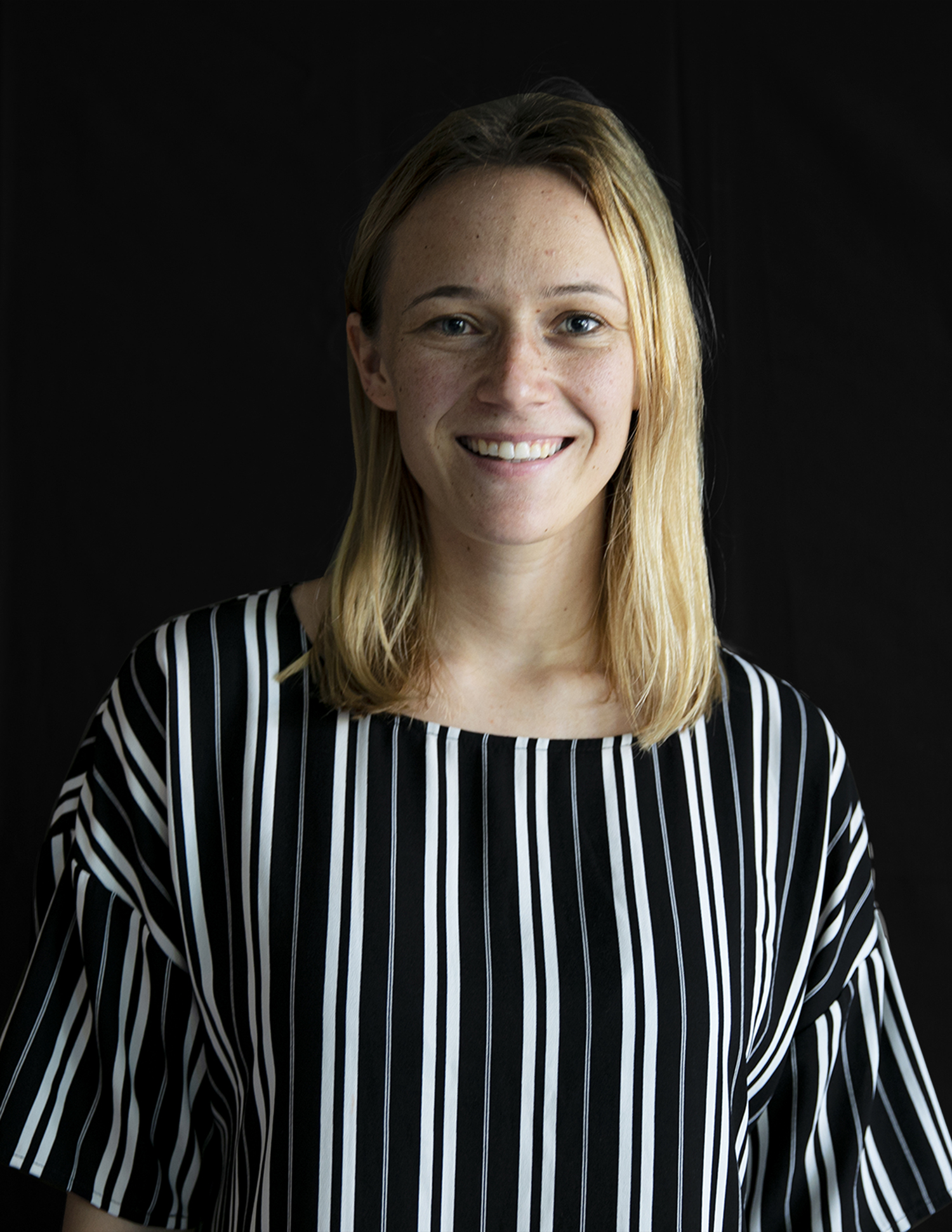
Jazz had an extremely challenging childhood. As a teenager, she attempted suicide multiple times and was homeless for a while. The last time she attempted suicide, she formed a life-saving relationship with the police officer who came to support her. Jazz has since rediscovered her self-worth and has become a mental health campaigner in New Zealand, advising the government on their recently announced, unprecedented $1.8 billion mental health and wellbeing budget.
Jazz’s lost and found objects in the Museum are: an Auckland police badge, a school sheet with grades, a letter she wrote to her suicidal self, and a tree branch.
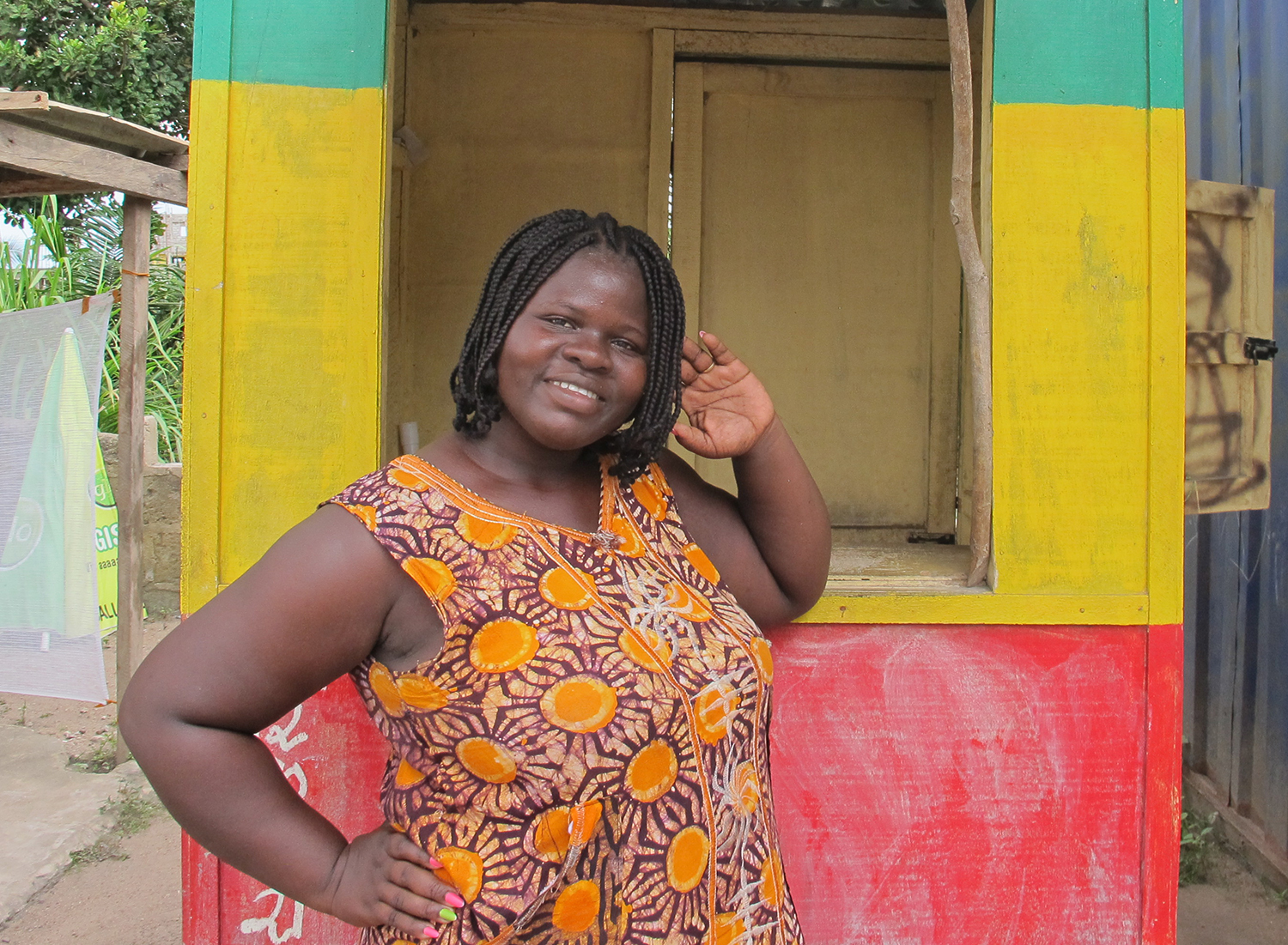
Cecelia was struggling with her mental health but didn’t understand what was happening. After an episode, she was diagnosed with acute psychosis but she became stable and returned to work. Shortly after, she relapsed and, when her employers found about her mental health condition, she was fired. After multiple relapses and losing friends because of her condition, Cecelia was diagnosed with bipolar, found medication that worked for her, and was supported in finding employment.
Cecilia’s artefacts include a Jerry petrol can, nail care equipment, cooking utensils, and a national insurance card.
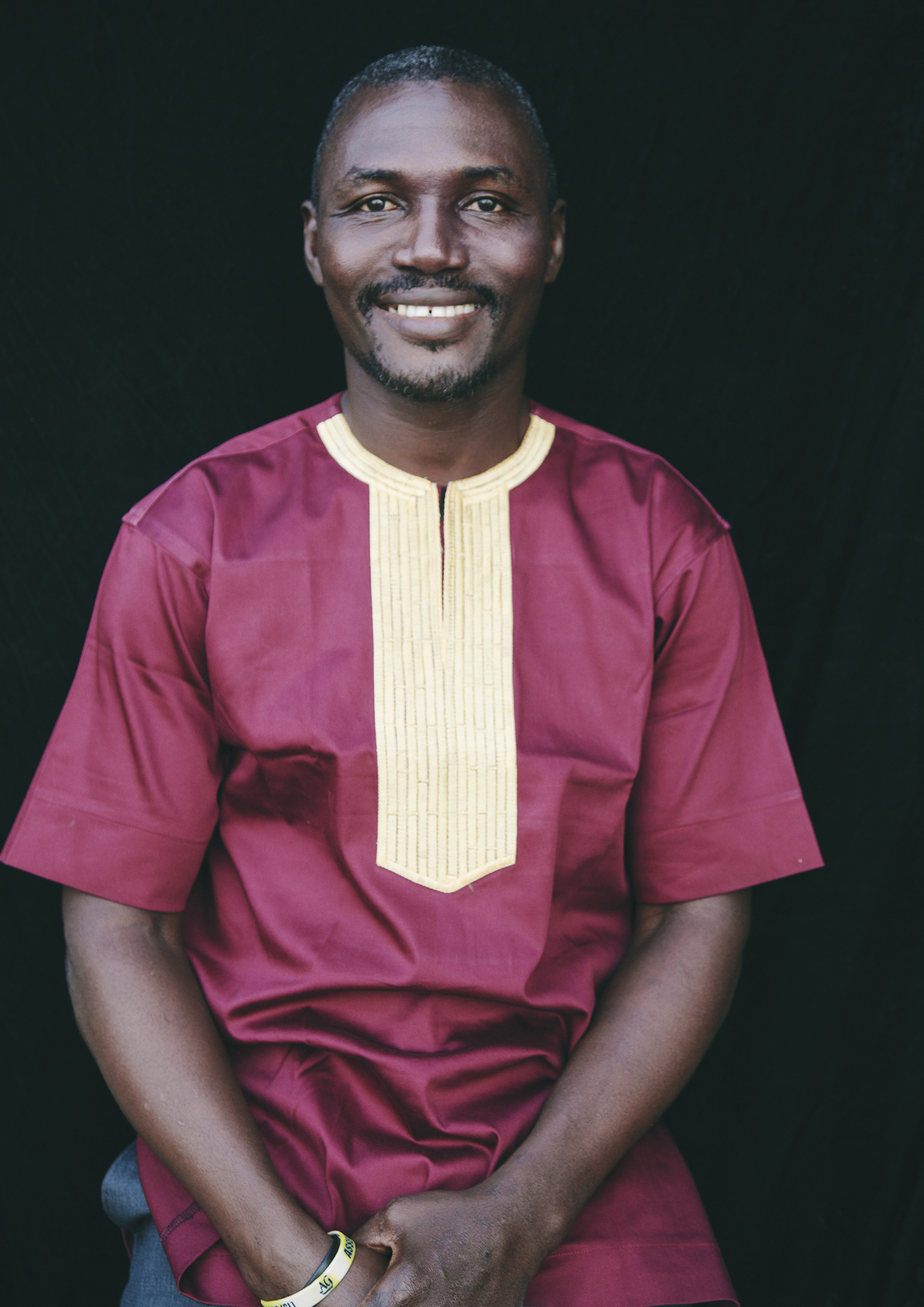
When Joshua’s father lost his job, poverty struck his family. Joshua had to go and live with his grandmother. It was a challenging time in his life; Joshua once misplaced money that his grandmother had given him for food for the family and he became so distressed he considered ending his life. He went on to became a qualified teacher and is now a vital mental health campaigner in Sierra Leone.
Joshua’s lost and found objects include: rice-measuring cups, a walking stick, writing pad, and drum.
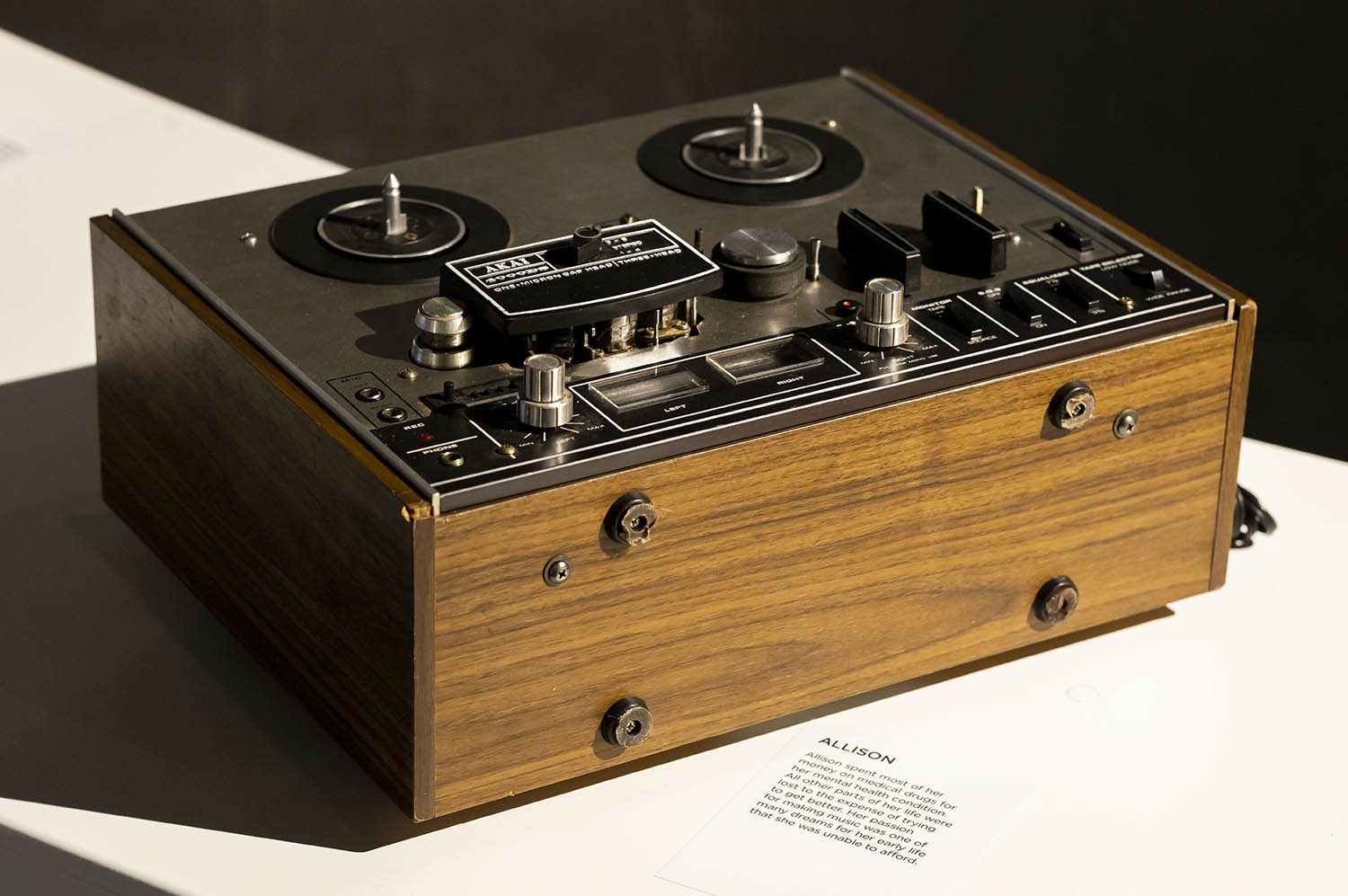
Bipolar has had a huge impact on Allison’s life. She was not able to finish her degree due to the lack of support, and has spent most of her money on medical drugs and therapy for her condition. She was unable to fulfil her passion for making music and had her tubes tied after coming to the conclusion that she would never be well enough to look after children. Her mental health stabilised with support from across her life, including a supportive work environment at HSBC, as well as her newfound mental health routine that involves physical exercise.
Allison’s artefacts are: pregnancy test, a box and ribbons, two motorcycle helmets, a Woman in Black poster, Fitbit, and reel-to-reel tape recorder.
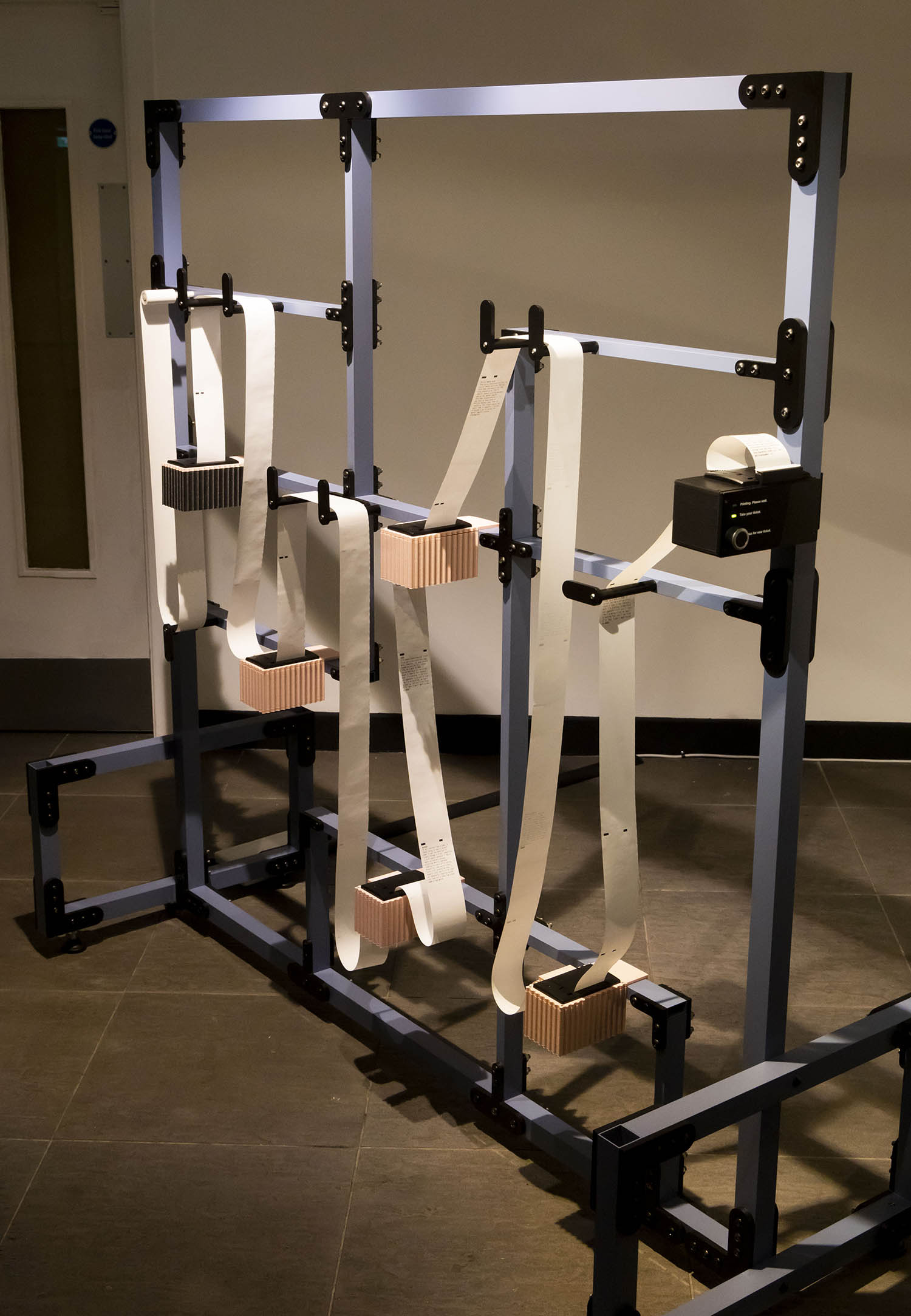
When Timiebi was diagnosed with depression at university she didn’t believe the diagnosis, but, after experiencing a panic attack, she started to accept that she was experiencing challenges to her mental health. Struggling to write her dissertation, she moved back to Nigeria. She reached out to Mentally Aware Nigeria and they were able to help her find mental health support services. Before attending, she thought that nobody in Nigeria accessed services like these, apart from severely ill and dangerous people. She was given a ticket when she arrived for her appointment, numbered #140, which made her feel less alone. Since her last session two years ago, she has tried to maintain the coping skills that she was taught in her therapy sessions.
Timiebi’s artefacts are: a ticket machine, food items, dissertation, Bad Boys film.