Sensemaker Daily
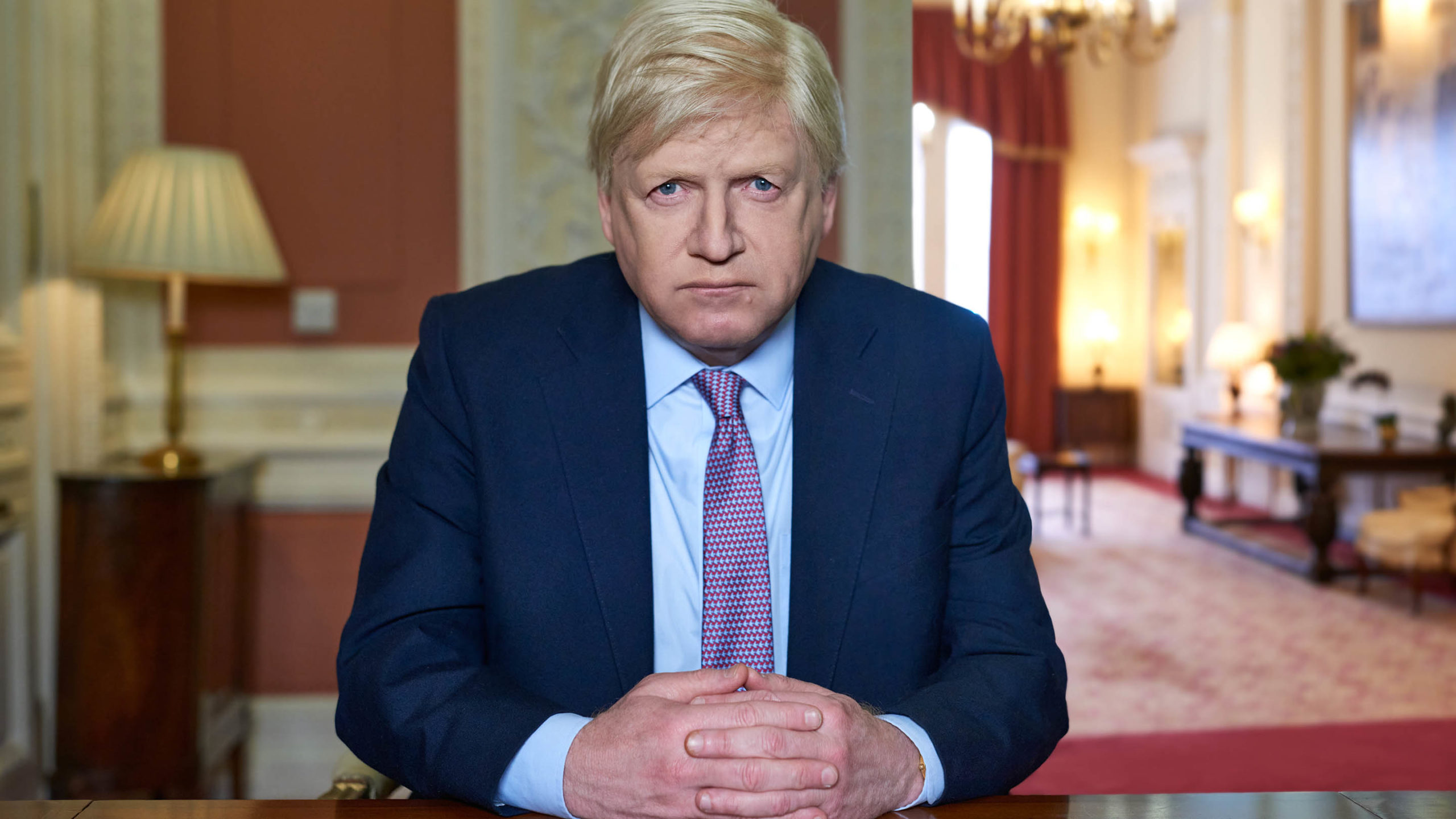
Kenneth Branagh gives a remarkable performance as Boris Johnson during the pandemic in This England – dramatising the intimate relationship between collective memory, plague and creativity
The year 2018 was a notable one for goldfish. Their attention span, as they continued their laps of the tank, remained constant at about nine seconds. But – four years ago – ours was found to have fallen from 12 seconds in 2000 to a puny eight; for the first time, behind our freshwater pets.
Neuroscientists are learning more and more about the ways in which the digital revolution has rewired our brains. What is already certain is that the shape and character of human memory – individual and collective – are mutating at the most fundamental level.
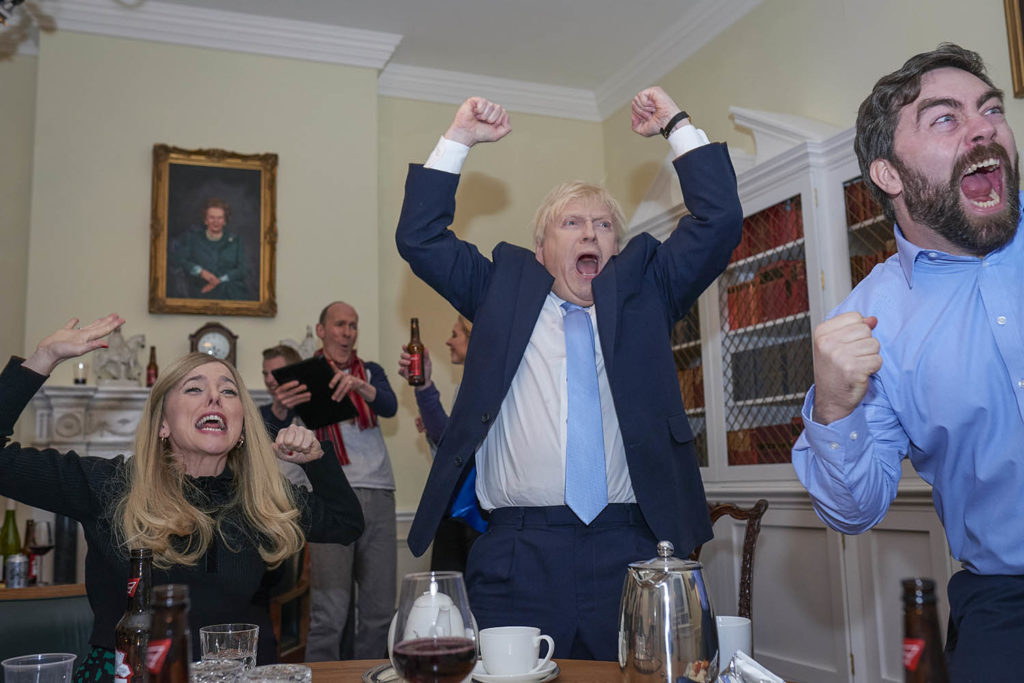
For this, and other reasons, I am unimpressed by the charge that This England (Sky Atlantic, Now), the new six-part dramatisation of the pandemic’s first wave, directed by Michael Winterbottom and Julian Jarrold, is tastelessly premature. On the contrary: it’s about time.
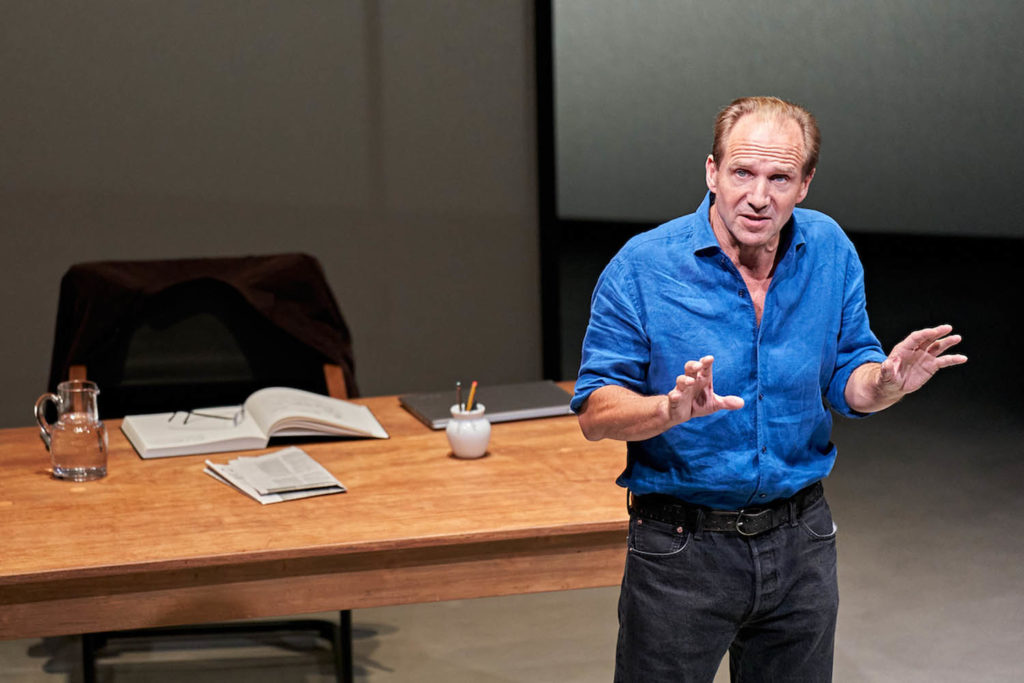
For a start, the notion that creativity should be governed by such arbitrary criteria – that pearl-clutching decorum has a power of veto in art – is patently absurd. In any case, where coronavirus is concerned, the work of producing the first draft of cultural recollection began some time ago. I remember vividly sitting at the Bridge Theatre, way back in August 2020; masked, in a socially-distanced audience, watching Ralph Fiennes’ bravura performance in David Hare’s monologue Beat the Devil: A Covid Monologue.
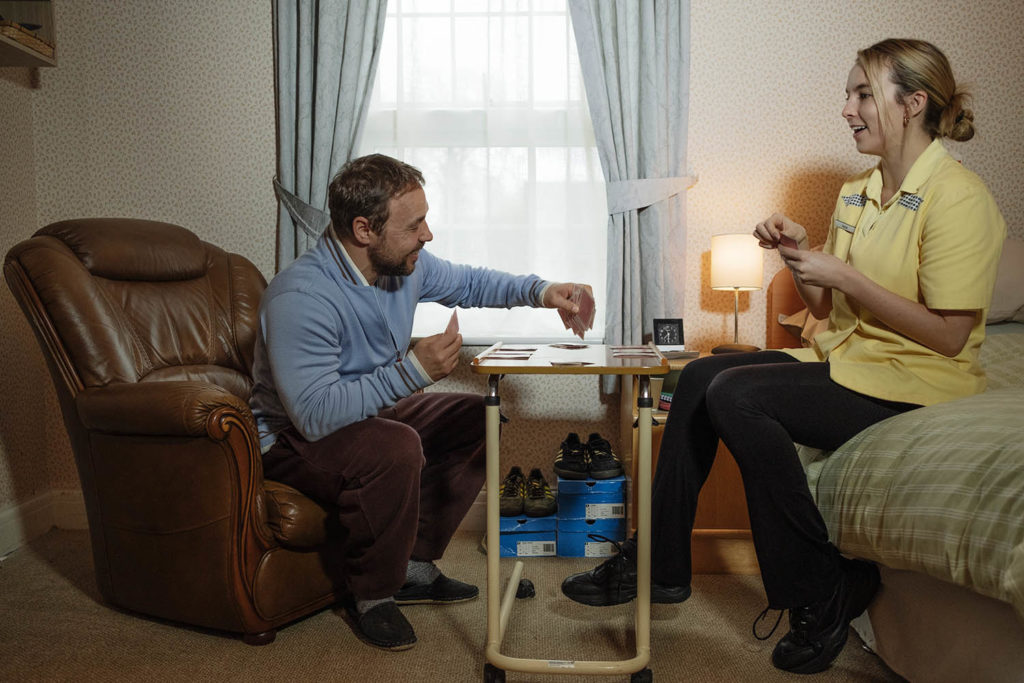
Jack Thorne’s powerful drama Help (All 4), set in a Liverpool care home during the first wave of the virus, starring Jodie Comer and Stephen Graham, was first televised in September 2021. And there has already been a crop of Covid fiction: Ali Smith’s Summer, the final instalment in her stunning Seasonal Quartet; Roddy Doyle’s short story collection, Life Without Children; and, in its vision of the future, Hanya Yanagihara’s To Paradise (see Creative Sensemaker, 6 January, 2022).
What This England adds to the mix is a vivid portrayal of what was going on – and not going on – in Downing Street as the virus first struck these shores in January 2020. We see Boris Johnson (Kenneth Branagh) ambling about Number 10 like an amiable silverback; a mess of pleasantries, mutterings and grumblings about his dog, Dilyn.
The sense of lethal unpreparedness is appallingly palpable. This is a gang still high on their recent election victory: “Hey, hey, hey! We did it!” bellows the prime minister. “We smashed the road block!” Truly, they are favoured by the gods – aren’t they?
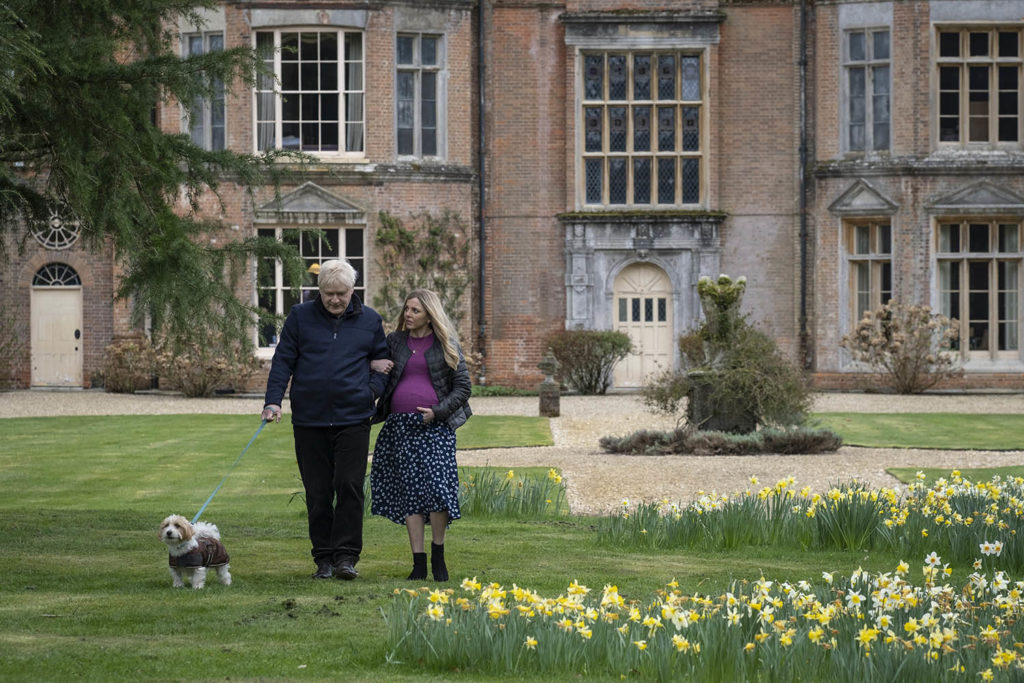
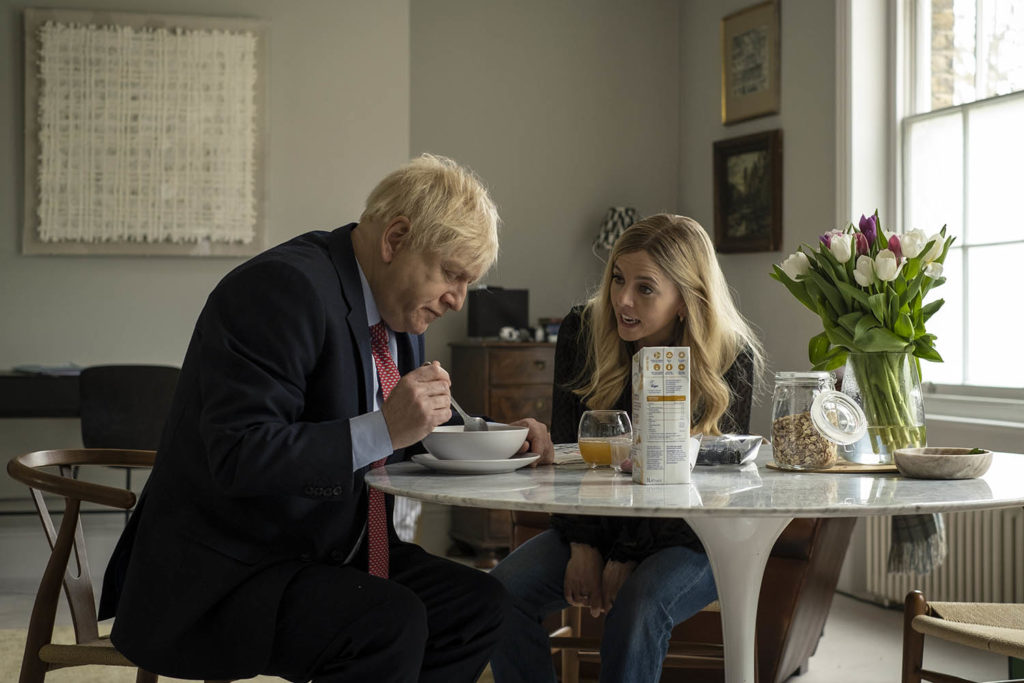
Branagh’s performance is astonishing. He nails not only Johnson’s distinctive gait and body language, but his voice (check out, for example, the uncanny precision of the “oo” phoneme in “you” or “true”). A great shame, then, that the heavy prosthetics he wears are such a distraction – more like a Halloween mask, or the basis of a comedy skit on The Elephant Boris. In this case, less would have been more.
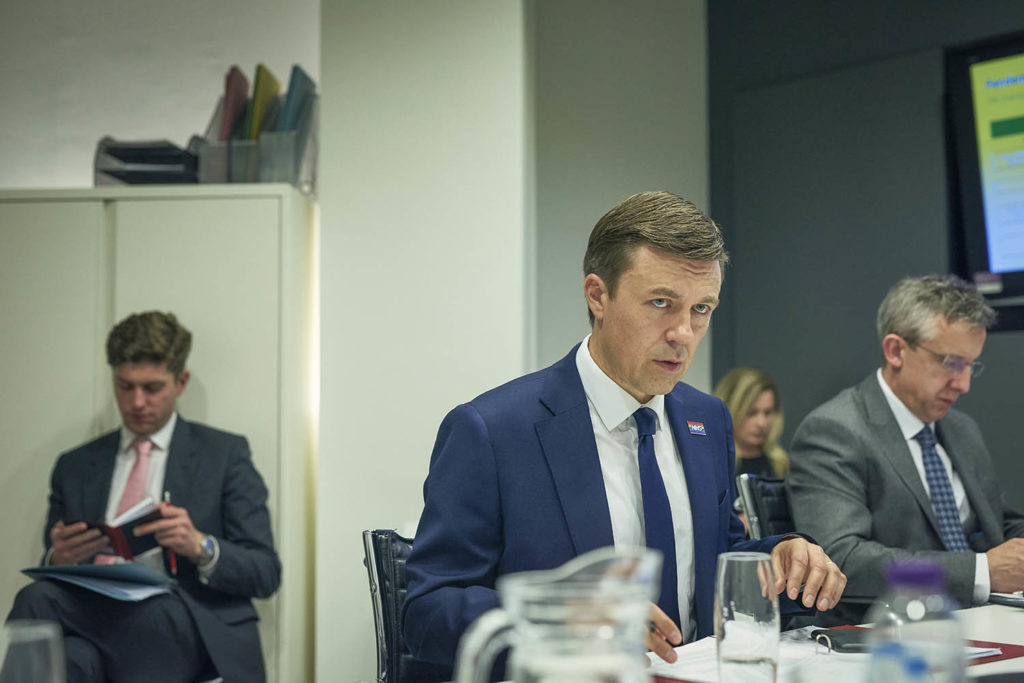
Ophelia Lovibond is excellent as Carrie Symonds, Johnson’s then fiancée, and Andrew Buchan perfectly captures Matt Hancock, desperately trying to meet Covid test targets at the Department of Health and all too aware that he is in permanent danger of being the fall guy when it all goes wrong. Admirers of The Thick of It may be initially confused to see Justin Edwards, who played the hapless minister Ben Swain, as the altogether more competent cabinet secretary, Mark Sedwill.
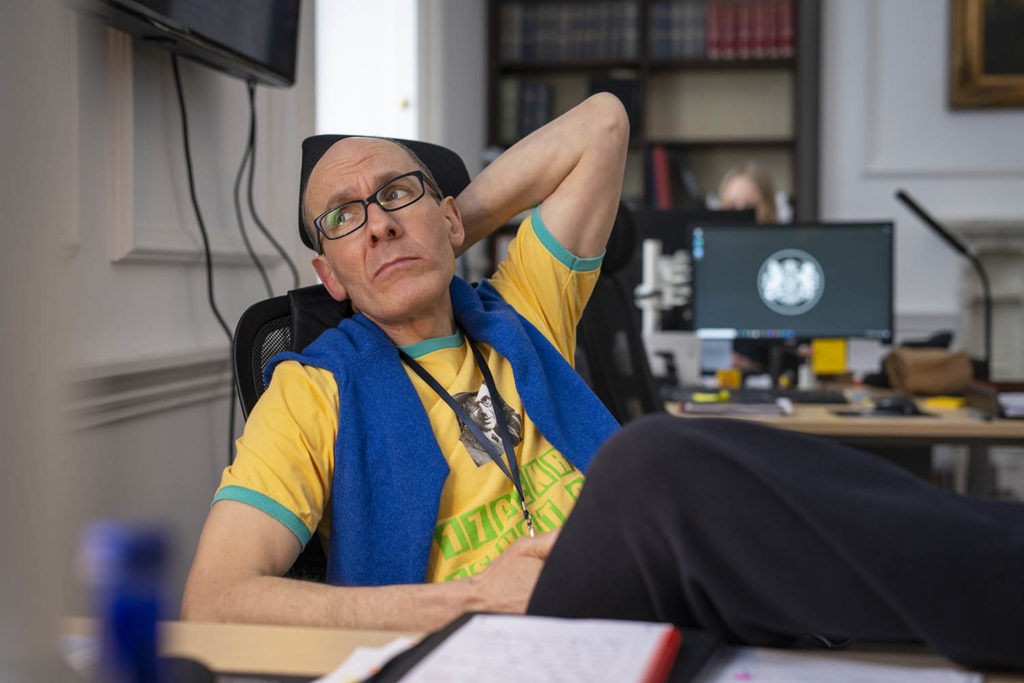
Simon Paisley Day’s take on Dominic Cummings is very different to Benedict Cumberbatch’s in Brexit: The Uncivil War (2019): more sinuous, more menacing, as digitised and soulless as his plans for the nation. “We need to think about the climate, not the weather,” he says, with the air of a man who knows he is powerful enough to get away with inscrutable aphorisms.
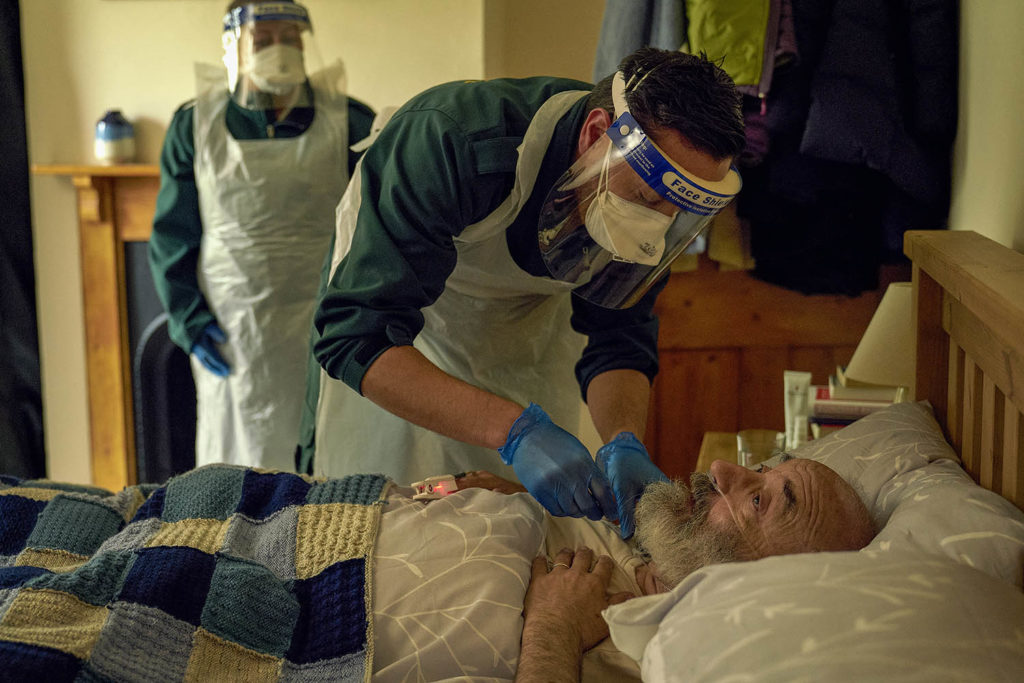
Spliced into this are frequently traumatic scenes from hospital wards and care homes, as the government’s response strategy unravels and those on the front line – and those they care for – are left to pay the price for gross incompetence at the centre. It is hard to watch these sequences, hard to revisit the suffering of our fellow Britons at a time of crisis. All the more reason to do so. We have no right to avert our gaze.
In which context, it will be objected that Johnson is depicted too sympathetically. But this, again, is to confuse creativity with scholarly history or journalism. Millions of words have already been written and countless hours of factual broadcasting produced on the UK’s performance during the pandemic (check out Tortoise’s own Covid Inquiry here). The audit will continue for many years to come; meanwhile, the first, preliminary hearings of the government’s official investigation, chaired by Baroness Heather Hallett, begin on Tuesday, 4 October.
What drama adds to our understanding – if it succeeds – is humanity, nuance and meaning. Johnson is indeed portrayed as a tragic figure, but only in the formal sense: a man doomed by his fatal flaws to a terrible reckoning. Accordingly, This England, which takes its title from John of Gaunt’s speech in Richard II, makes abundant use of literature and classical culture.
Johnson, worried about his unwritten book on Shakespeare, quotes constantly from the plays, almost as a nervous tic. He frets that, like Lear, he is becoming a “poor, infirm, weak, and despised old man”. No less than Hamlet, he senses a convergence with fate: “If it be now, ’tis not to come. If it be not to come, it will be now. If it be not now, yet it will come – the readiness is all.” Likewise, his nightmares are black and white scenes from the banks of the river Styx, images from antiquity, in which members of his estranged family take him to task for his sins.
As it happens, this is more naturalistic than you might suppose. Johnson is indeed given to quoting poetry, almost reflexively (remember when, as foreign secretary, he was urged by the UK’s ambassador to Myanmar to stop reciting Kipling’s The Road to Mandalay during an official visit in 2017?). It is also true that the former PM loves few books more than Jasper Griffin’s Homer on Life and Death (1980).
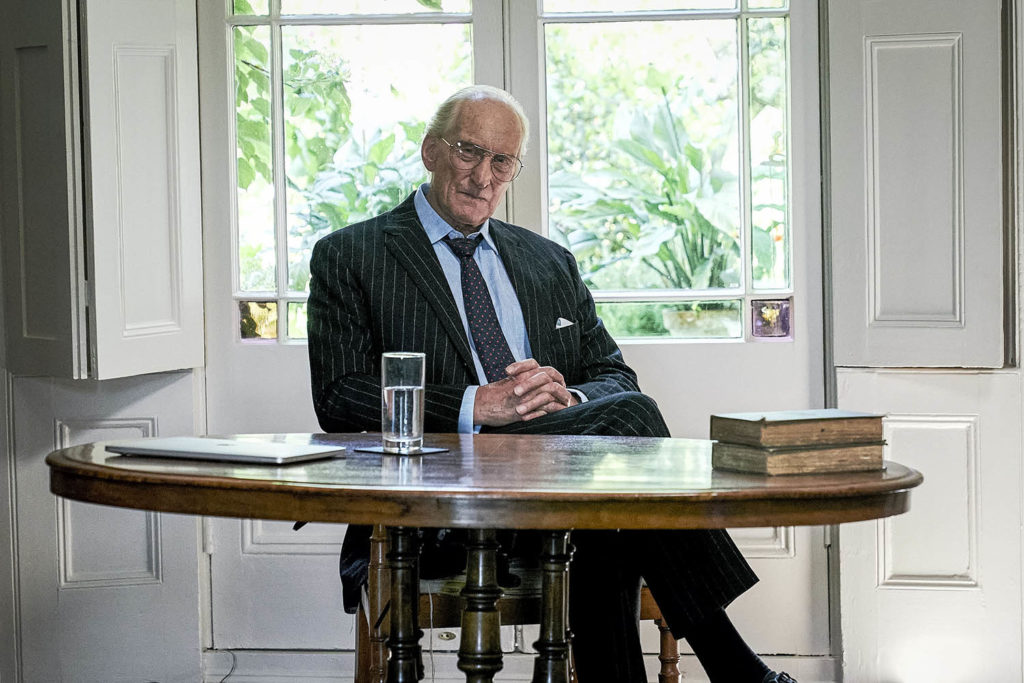
But the stylised immersion of the key protagonist in a world of myth and canonical art also allows This England to explore the weakness of those who seek power at all costs. Charles Dance appears as Max Hastings at the start of the drama: “I have a hunch that Johnson will come to regret securing the prize for which he struggled so long.”
Again, I rather doubt that he has reached that point, or will ever do so. But This England poses the question: how much, if any guilt, does this now-departed crew of narcissists feel over their chronic mishandling of the greatest challenge to face their generation?
“Have we failed?” Johnson asks Cummings. “I think we failed.” Whether the former PM is capable of such self-knowledge is open to question. But – in a dramatic setting – it works as a moment of necessary self-reproach. This, at least, is what the two men should have been feeling, and still be feeling to this day.
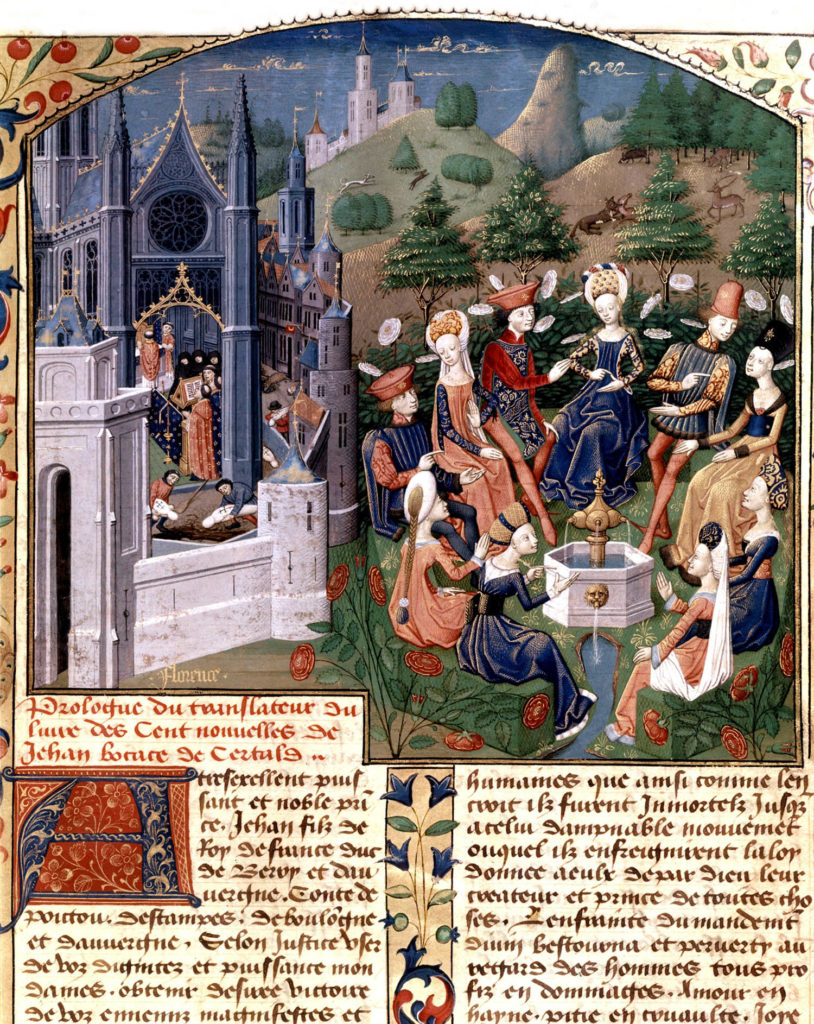
Remembrance, art and plague are intimately entangled. The Black Death left an indelible cultural footprint, from The Decameron to the allegories of La Danse Macabre. In contrast, the 1918 flu pandemic was almost eradicated from memory and conspicuously overlooked by most artists; as Laura Spinney writes in her definitive history, Pale Rider, the millions of deaths from Spanish flu, so soon after the horrors of the First World War, became the “dark matter of the universe, so intimate and familiar as not to be spoken about.”

Yet such repression is bad for the collective psyche of the species. It weakens us, in every sense. As Milan Kundera teaches us, “The struggle of man against power is the struggle of memory against forgetting”. This was instantly understood in the early years of the Aids crisis by gay writers, who grasped that the epidemic needed to be portrayed in creative form as soon as possible, not only to raise contemporary awareness but to commemorate the dead in years to come and warn future generations of the ways in which they had been betrayed: in this respect, there is a direct line that connects Larry Kramer’s The Normal Heart (1985) to Tony Kushner’s monumental Angels in America (1991-1992).

The sheer scale of what happened in this country during the pandemic has yet, I think, to sink in fully. Or, to put it another way, we were so busy at the time putting one foot in front of the other – worrying about our children, about our elderly friends and relatives, about the mental health and physical safety of those locked down in cramped conditions for weeks, about what one Cabinet minister described to me at the time as the “abattoirs” of care homes – that we could not wait, once Covid restrictions were lifted fully (at least in England) in February, to say “goodbye all that”.
Yet that is not really an option, if we are honest. According to the Office for National Statistics, more than 200,000 people in the UK have had Covid cited on their death certificates. To put this figure in perspective, 454,000 British soldiers and civilians were killed in the Second World War: more than twice as many as fell victim to Covid, but over a period of nearly six years. No, the pandemic was not a military conflict; but its human cost was colossal. We have to keep reminding ourselves of this, as painful as it is. And art and creativity have a central role to play in that enduring process of memorialisation.
Why? To honour the dead, of course. But also to prepare ourselves better for the next time that the mighty let us down so prodigiously. John of Gaunt’s speech has a sting in its tail: “That England, that was wont to conquer others,” he declares, “Hath made a shameful conquest of itself.” Yes, it did. And, incredibly, it is, already, all happening again. For further details, just turn on the news.


